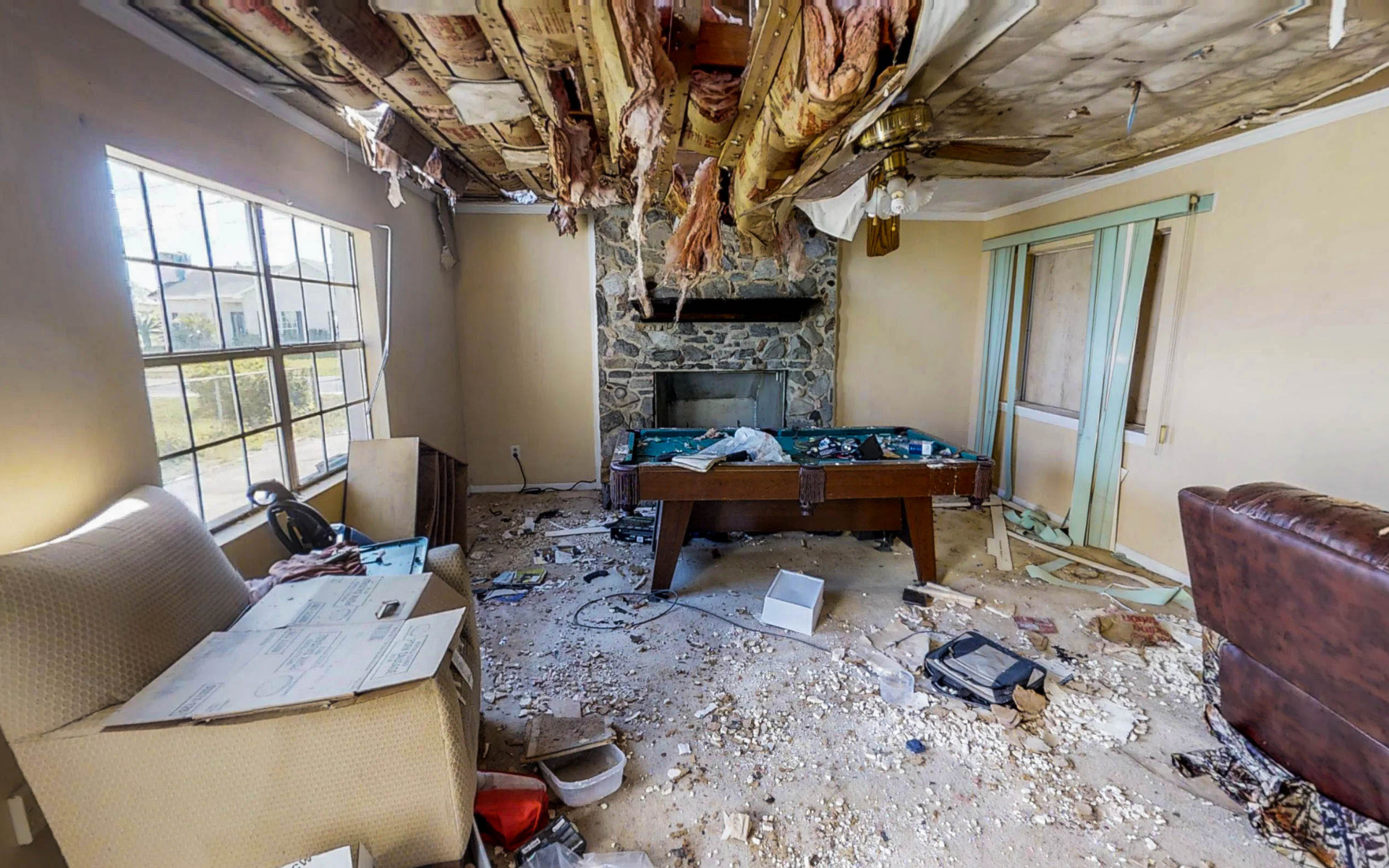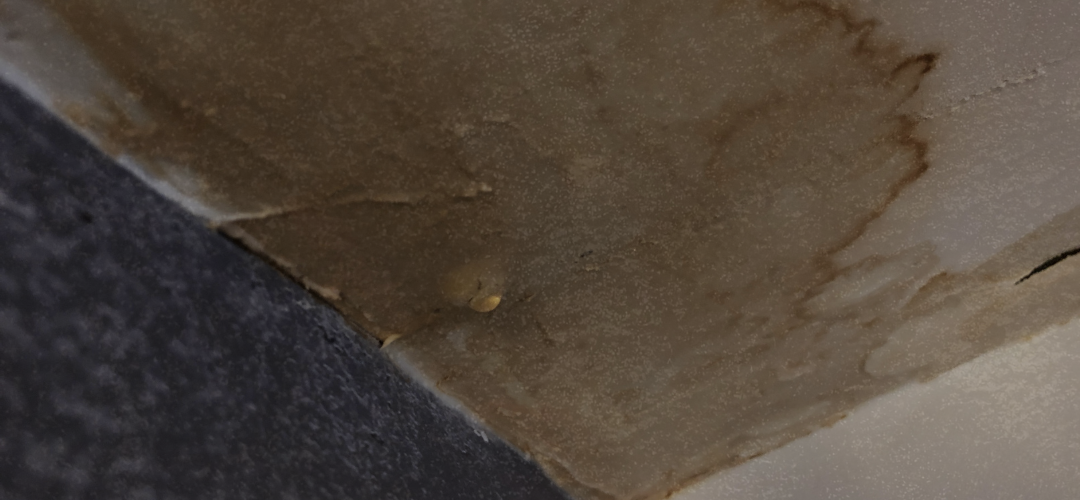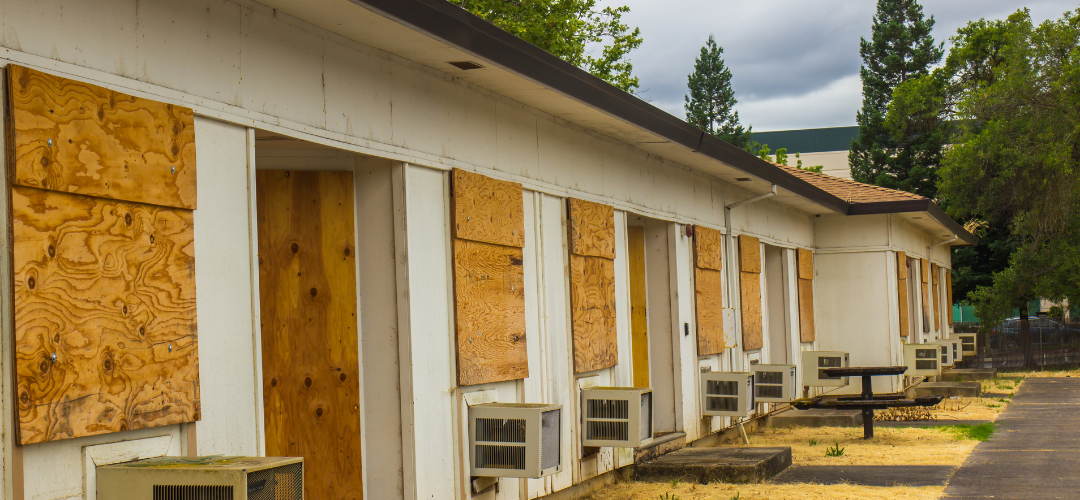
Discovering asbestos in an older home or commercial building creates immediate concern. Handling this material demands serious caution and strict adherence to local rules. When microscopic asbestos fibers enter the air, they pose severe health risks to anyone breathing them in. Proper management and asbestos disposal in Fort Mill, SC, is critical for keeping your family, employees, and community safe. This guide outlines the essential steps for managing this hazardous material safely, from initial identification to final disposal.
Table of Contents
Why Asbestos is a Health Hazard
Asbestos is a naturally occurring mineral once used heavily in construction for its fire resistance. It is often found in older properties. The danger arises when asbestos-containing materials (ACMs) are disturbed during renovations or demolition.
When disturbed, asbestos releases tiny fibers into the air. If inhaled, these fibers can settle deep within the lungs. Over time, this exposure can lead to serious, life-threatening respiratory conditions, including mesothelioma, lung cancer, and asbestosis. Because of these severe risks, throwing asbestos into regular household trash or an unauthorized local dump is illegal and highly dangerous. Managing asbestos disposal in Fort Mill, SC, requires a specific, regulated process to contain these fibers completely. If you are starting a renovation that might disturb hazardous materials, Content Restoration Services can help manage the aftermath.
Understanding Regulated Asbestos
Not all asbestos requires the same level of handling. The Environmental Protection Agency (EPA) and the South Carolina Department of Health and Environmental Control (DHEC) classify hazardous asbestos as Regulated Asbestos-Containing Material (RACM).
RACM generally falls into three categories:
- Friable Asbestos: This is the most dangerous type. You can easily crumble, crush, or reduce these materials to powder by hand pressure when they are dry. Common examples include old pipe insulation, acoustic ceiling tiles, and spray-on fireproofing.
- Category I Non-Friable ACM: These materials are more resilient but can become dangerous if damaged. Examples include vinyl floor tiles, asphalt roofing materials, and certain gaskets. They become RACM if they are heavily damaged or if you plan to sand, grind, cut, or abrade them.
- Category II Non-Friable ACM: This category covers any material containing more than 1% asbestos that is not in Category I. These become RACM if there is a high probability they will be crumbled or reduced to powder during demolition or renovation work.
Handling RACM safely requires specific training and equipment. Attempting a DIY project for removal and asbestos disposal in Fort Mill, SC, places you at extreme legal and physical risk.
The Transport Process: Moving Asbestos Safely
Moving asbestos from a home or business to a disposal site involves much more than loading a truck. Strict transportation rules control every step of asbestos disposal in Fort Mill, SC, to stop any accidental release of fibers while on the road.
Mandatory Packaging Rules
Before any asbestos leaves the work site, it requires specific, careful packaging.
- Wetting the Material: Workers must thoroughly wet the asbestos material using a mixture of water and a surfactant. This step drastically reduces the chance of dust and fibers becoming airborne.
- Double Bagging System: Workers place the wet material into heavy-duty, leak-tight plastic bags. They normally use thick, 6-mil polyethylene bags. The first bag is sealed, washed down, and then placed inside a second bag.
- Secure Sealing: Every bag requires a tight, secure seal, often completed with heavy-duty tape like duct tape.
- Hazard Labeling: Each bag must display clear warning labels. These labels must comply with Occupational Safety and Health Administration (OSHA) and DHEC standards, clearly stating the bag contains asbestos and presents a health hazard.
Rules for Transport Vehicles
Vehicles completing asbestos disposal in Fort Mill, SC, must follow specific safety criteria.
- Enclosed Spaces: Transport vehicles need fully enclosed cargo areas. This prevents bags from falling out or breaking open if exposed to wind or rain.
- Warning Placards: Depending on the volume of asbestos, the vehicle might need to display hazardous material placards on the outside, following Department of Transportation (DOT) rules.
- Tracking Manifests: A waste shipment record, called a manifest, must travel with the load. This detailed document tracks the asbestos from the exact removal site to its final destination. This creates accountability for the entire journey. During complex removal projects, you may need a secure place for your uncontaminated belongings. Professional packout and storage options offer a safe solution.
Where Asbestos Goes: Approved Landfills
You cannot use the regular county dump for asbestos. Proper asbestos disposal in Fort Mill, SC, requires transporting the material to a landfill specifically permitted by DHEC to accept hazardous waste.
Features of an Approved Facility
Landfills that accept asbestos disposal in Fort Mill, SC, use strict procedures to handle the bags safely:
- Separate Zones: The landfill has a specific area designated only for asbestos. This keeps the hazardous bags far away from general municipal garbage.
- Fast Burial: Landfill operators bury the sealed bags in the designated trench as soon as they arrive.
- Daily Cover Rules: Operators must cover the asbestos waste with a layer of non-asbestos material, like clean soil. They usually must complete this coverage by the end of the operating day. This thick cover protects the plastic bags from damage by heavy landfill equipment or bad weather.
- Permanent Records: The facility keeps permanent, detailed records showing exactly where they buried the asbestos within the site.
Verifying a Disposal Site
Because landfill permits can change, verifying a facility’s current status with DHEC is necessary before attempting any drop-off. Licensed asbestos abatement contractors handle this verification. They maintain relationships with the facilities that legally accept RACM for asbestos disposal in Fort Mill, SC.
Environmental Protection Rules
The rules for handling asbestos exist as vital environmental and public health protections.
When someone disposes of asbestos illegally such as dumping it in a field or hiding it in normal trash the material eventually breaks down. The dangerous fibers can contaminate the local soil and wash into nearby water sources. The biggest threat happens when the illegally dumped material dries out. The lethal fibers become airborne again, creating a health hazard for anyone living or working nearby.
Legal disposal at a permitted landfill keeps the asbestos permanently trapped underground. The double bags and the heavy soil cover lock the fibers away, stopping environmental contamination.
Working with Safe Restoration Experts
Managing asbestos is a high-risk task. It requires professional training and equipment. The health risks are too severe, and the legal penalties are too high to attempt this work alone.
If you suspect asbestos is present in your property, start by scheduling a professional inspection. If testing confirms the presence of asbestos and removal is needed, hire a licensed abatement contractor. They manage the entire process legally and safely.
Protecting your health and property is the main priority during any restoration or renovation. Proper handling and legal asbestos disposal in Fort Mill, SC, creates a safe environment for everyone. If you need help returning your property to a safe condition after damage, we are ready to assist. Contact us today to learn more about our restoration services and how we handle complex property issues.