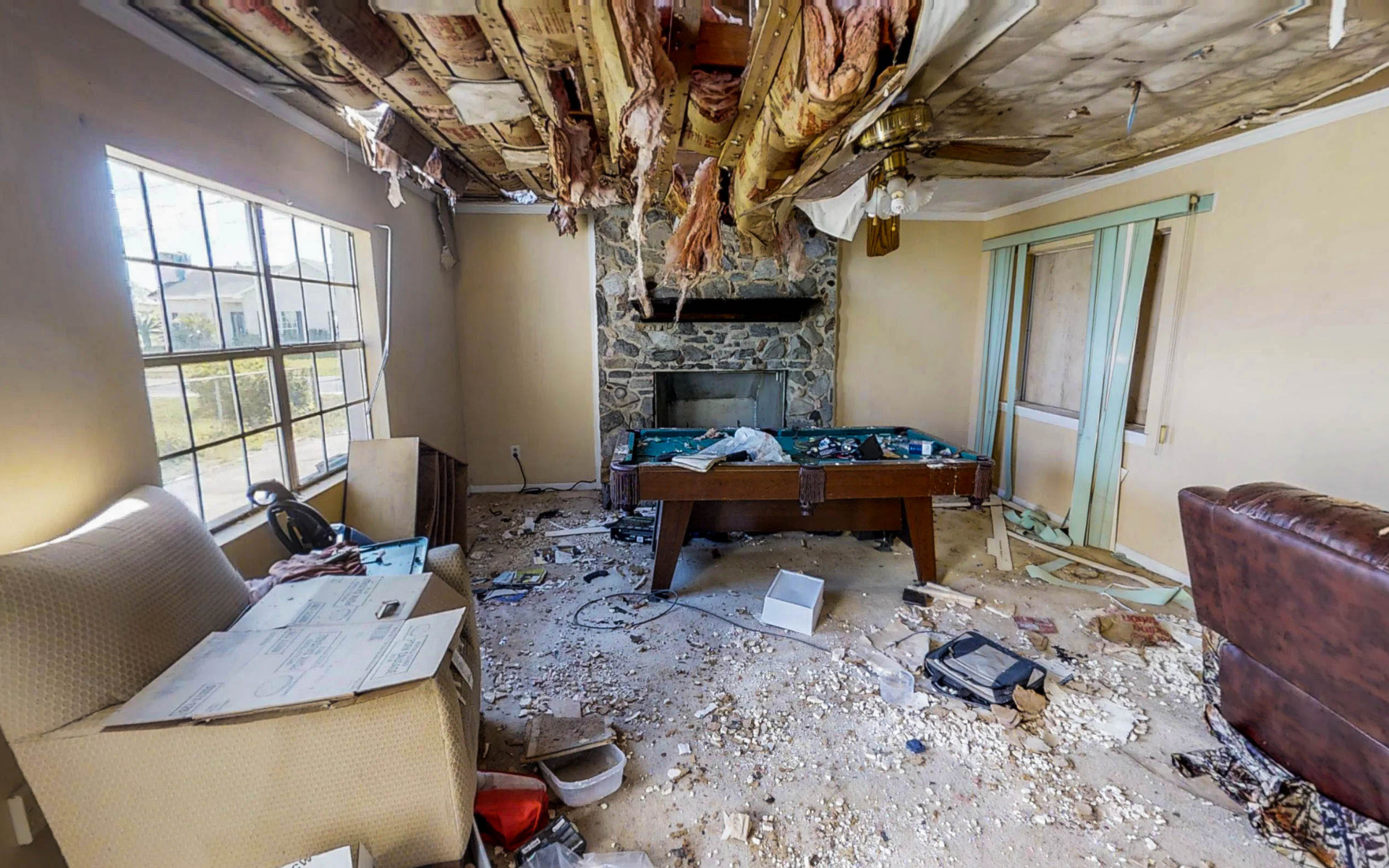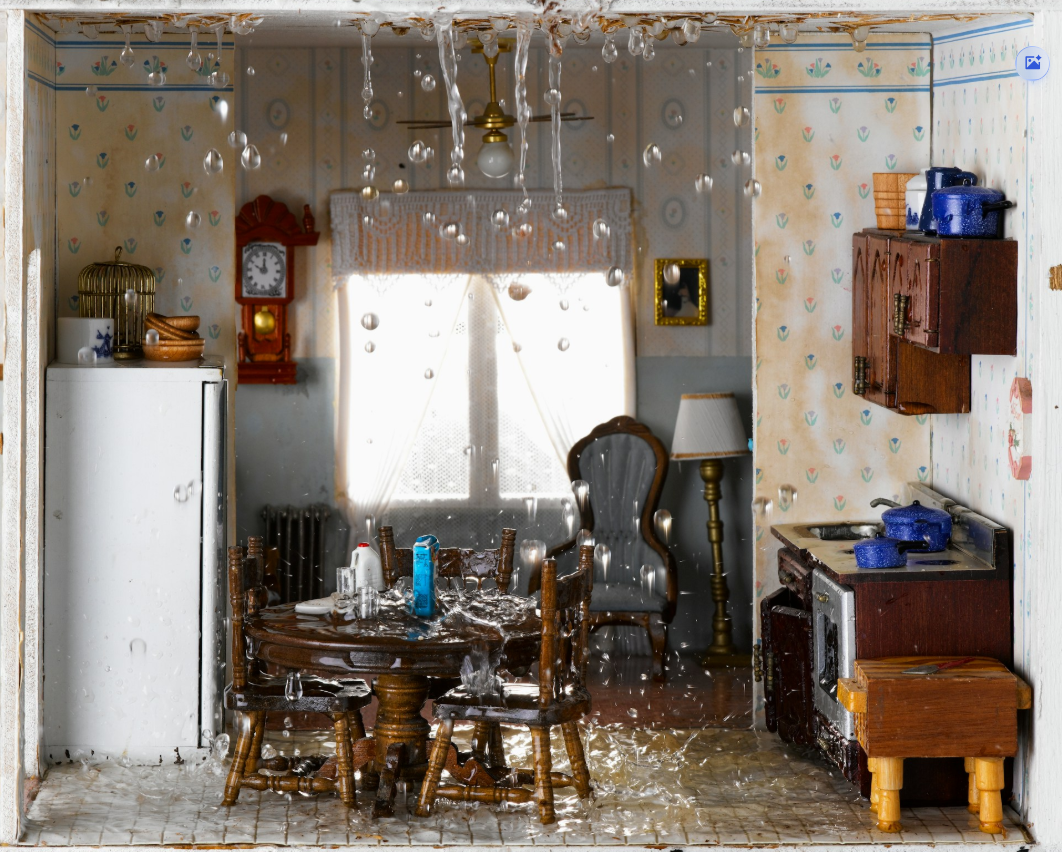
Waking up to a flooded living room is a terrifying experience for any homeowner. The sight of standing liquid on your floors brings instant panic. The clock starts ticking the moment a pipe bursts or a heavy storm breaches your doors. Your immediate actions dictate how much of your property survives. Residents in Fort Mill, SC, face heavy seasonal rains and sudden plumbing emergencies. You must act fast to stop the decay. Proper Water Damage Restoration starts in the very first hour. This guide outlines the exact steps you need to take right now to protect your family and save your house.
Table of Contents
What Are the Immediate Steps to Take Right Now?
Do not panic. A calm mind helps you make smart decisions. Follow this simple checklist to secure the area and start the recovery process:
- Turn off the main water valve: Stop the source of the leak immediately. You should locate this valve before an emergency ever happens. It is usually outside or in a utility closet.
- Shut down the electricity: Go to your breaker box and cut the power to the affected rooms. This prevents dangerous electrical shocks.
- Move family and pets: Keep everyone away from the wet areas to prevent slips or injuries. Children and animals are highly vulnerable in these situations.
- Remove valuable items: Pick up electronics, important papers, and small wooden furniture.
- Call for help: Contact professionals who handle emergency moisture removal and rapid drying.
Why Is Electrical Safety Your Top Priority?
Standing water hides unseen dangers. You cannot tell if an electrical current is running through a puddle just by looking at the surface. Plugging in a wet vacuum or walking into a flooded basement while the power is on puts your life at risk. Water acts as a highly effective conductor of electricity.
- Find your main circuit breaker panel. Keep a flashlight nearby for power outages.
- Flip the main switch to the “off” position if the panel is in a completely dry area.
- Call a certified electrician if the breaker box is wet or inaccessible. Never attempt to touch a damp electrical panel.
Do not touch any electrical outlets, extension cords, or wet household appliances. Safety must come before saving your rugs or furniture. A successful Water Damage Restoration process requires a completely safe environment for everyone involved.
How Fast Does Mold Grow After a Flood?
Moisture causes secondary problems very quickly. Mold spores exist naturally in the air inside every house. They only need water and a food source like drywall or wood to multiply. This growth can start within 24 to 48 hours after a flood.
Extracting the liquid fast stops this cycle. Leaving wet carpets or soaked walls allows microscopic organisms to take over your living space. Getting expert help is the safest way to extract hidden moisture behind baseboards and under floorboards. Local property owners rely on expert water damage restoration in Fort Mill, SC to prevent severe structural decay.
Air circulation plays a massive role in drying your home. Open your windows if the weather outside is dry and sunny. Turn on ceiling fans in rooms that still have safe electrical power. Do not rely on natural air drying alone for major leaks. Deep moisture requires industrial-strength air movers and heavy-duty dehumidifiers. These machines pull moisture out of the structural framing of your house.
What Evidence Do You Need for Your Insurance Claim?
Filing an insurance claim is a necessary step for most property owners. Your insurance company needs proof of the destruction before they approve your payout. Do not throw anything away until you document the scene.
- Take clear photographs: Capture images of the standing water, ruined furniture, and damaged structural elements.
- Record video footage: Walk through the affected rooms and record the exact condition of the space. Narrate the video to explain what happened.
- Make a detailed list: Write down every ruined item, including the brand and approximate age.
- Save broken parts: Keep the burst pipe, the broken appliance hose, or the failed water heater part.
Your insurance adjuster will ask for these details. Having clear evidence makes the approval process much faster. Hiring a reputable team like Contents Restoration Services gives you an experienced partner. They often communicate directly with your insurance provider to handle the technical paperwork.
How to Protect Your Furniture and Belongings?
Wood furniture absorbs moisture very fast. Upholstered couches act like giant sponges. You need to separate your belongings from the wet floor right away.
- Place aluminum foil squares under furniture legs. This creates a barrier and stops wood stain from bleeding into your wet carpet.
- Move light chairs and small tables to a dry room or a garage.
- Lift draperies off the floor. Loop the bottom of the curtains through a coat hanger and hang them on the curtain rod.
- Pick up all loose items from the floor. Books, magazines, and shoes release dyes that permanently stain wet floors.
Proper handling of your personal items is a major part of Water Damage Restoration. Saving your family heirlooms requires gentle drying techniques.
Protecting Your Important Documents and Electronics
Water destroys paper and circuitry instantly. You need a fast response plan for your home office or entertainment room.
- Unplug computers and televisions: Only do this if the plugs are completely dry and the power is off.
- Move laptops and tablets: Place them on high shelves or take them to a neighbor’s house.
- Rescue paper files: Gather birth certificates, passports, and tax papers.
- Freeze wet documents: Place soaked paper in a plastic bag and put it in your freezer. This stops ink from running and halts mold until you can dry the pages properly.
These small actions save irreplaceable memories and expensive devices from total ruin.
How to Handle Wet Carpets and Rugs?
Your flooring takes the hardest hit during a flood. Carpets absorb gallons of liquid in minutes. You must act fast to save them.
- Roll up area rugs immediately: Move them to a dry cement floor or hang them over a sturdy fence outside.
- Do not walk on wet wall-to-wall carpeting: Your body weight pushes the water deeper into the foam padding.
- Check the colors on your rugs: Many rugs bleed dye when wet. Keep different colored rugs away from each other.
Leaving wet carpets on the floor guarantees permanent odor. Mildew forms quickly in the dark space beneath the fabric. True recovery involves lifting the carpet, removing the ruined padding, and treating the subfloor.
Why You Must Avoid DIY Extraction Methods?
Many people try to clean up the mess with bath towels and a standard shop vacuum. This method leaves gallons of liquid hidden in your home. A regular wet-dry vacuum cannot extract water from the padding underneath your carpet. It cannot pull moisture out of your insulation.
Trapped moisture destroys the structural integrity of your house. Wood beams rot. Drywall crumbles. Ceilings collapse. You need specialized thermal imaging cameras to find the hidden pockets of water. Heavy extraction equipment removes the liquid fast, and industrial dehumidifiers dry the air. This multi-step process defines true Water Damage Restoration. Attempting to do this yourself often leads to much higher repair bills weeks later when the hidden mold finally appears.
What Are the Different Categories of Contaminated Water?
Not all floods are the same. The source of the leak determines how dangerous the situation is for your health.
- Clean Water: This comes from a broken supply line, a leaking faucet, or a failed water heater. It does not pose an immediate health risk.
- Gray Water: This originates from washing machines, dishwashers, or clean toilets. It contains soap, dirt, and minor contaminants. It can cause sickness if swallowed.
- Black Water: This is highly toxic. It comes from sewage backups, overflowing rivers, or standing water that has grown bacteria.
Never touch black water. It carries severe diseases and harmful pathogens. Only trained professionals wearing full protective gear should handle this level of contamination. Identifying the water type is a required step in proper Water Damage Restoration.
Act Fast to Protect Your Home
The first 24 hours dictate the future of your property. Waiting to start the cleanup process allows moisture to destroy your floors, walls, and personal belongings. You must stop the source, prioritize electrical safety, document the mess, and remove items from the wet floor. Professional intervention gives your house the highest chance of full recovery. True Water Damage Restoration requires speed, proper equipment, and deep knowledge of structural drying. Do not wait for the mold to grow and the wood to rot. Take control of the situation and bring in the experts immediately. If you need urgent help, schedule an emergency property assessment with our team today and let us rescue your home.