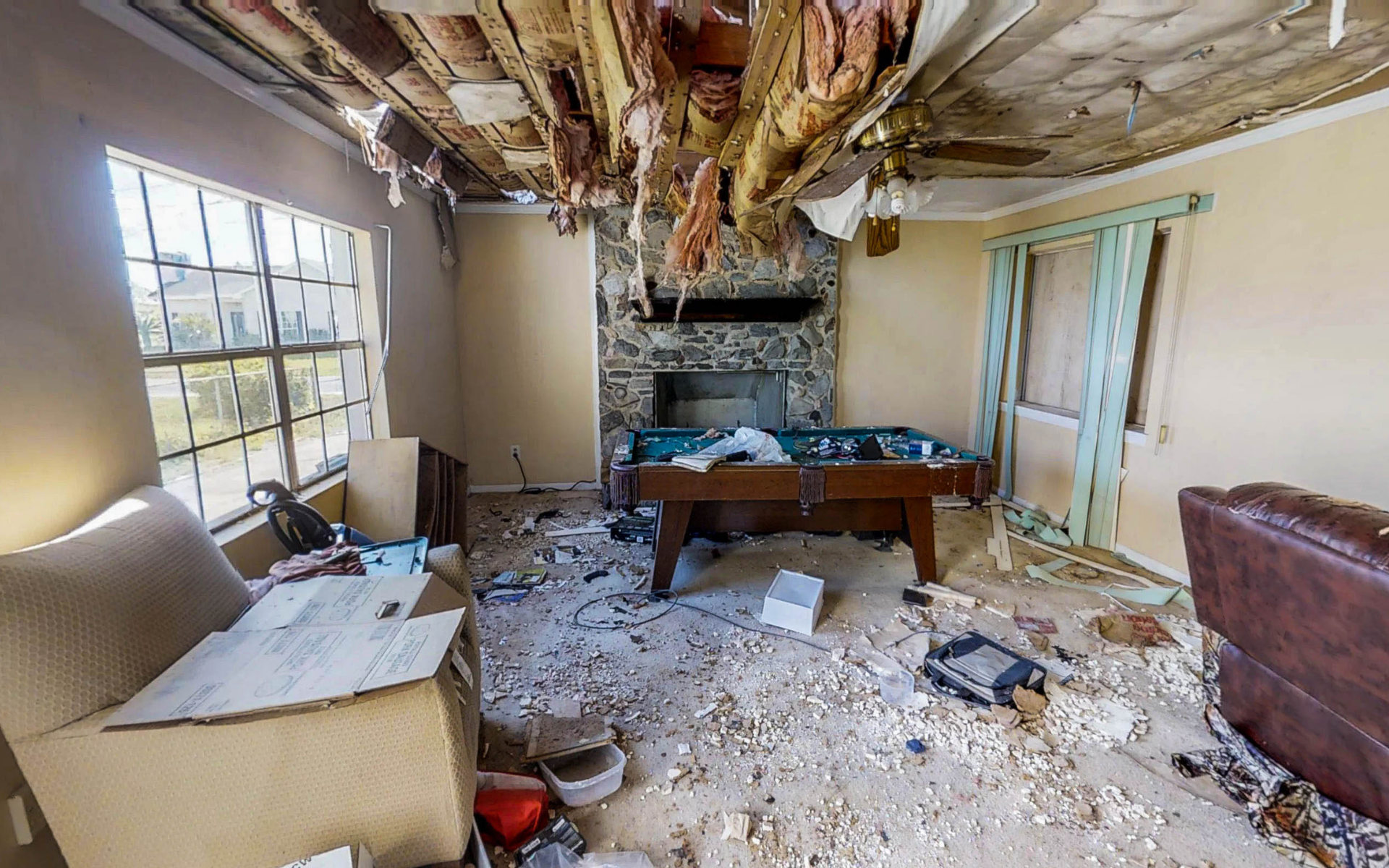
Experiencing severe property damage disrupts daily life and halts business operations completely. Following a major disaster, the physical structure requires intense rebuilding to restore safety and functionality. Selecting a competent contractor dictates the success of the entire recovery phase. Property owners face the heavy burden of evaluating numerous building organizations before authorizing repairs. Evaluating a firm based on its direct industry history, internal management protocols, active credentials, and observable craftsmanship provides a clear, objective path forward. Content Restoration Services applies exact architectural standards to rebuild compromised structures. Working with a dedicated property restoration organization guarantees that every phase of the rebuild meets strict engineering requirements and local building codes.
Table of Contents
Why Does Contractor Experience Matter During Property Recovery?
Deep industry history separates capable builders from inexperienced crews. Rebuilding a damaged structure requires entirely different skill sets compared to ground-up new construction. Ground-up construction starts with a completely blank slate and a perfectly level foundation. Rebuilding requires contractors to merge brand-new building materials with an older, existing framework that sustained severe physical trauma.
Crews must possess the mechanical knowledge to recognize structural shifts. A fire or a severe storm warps wooden studs and weakens load-bearing headers. Inexperienced contractors often cover up these hidden defects with fresh drywall, leaving the internal skeleton dangerously weak. Seasoned professionals conduct deep diagnostic teardowns to expose the bare framing. They verify the exact load capacity of the remaining wood before attaching any new materials. To execute professional reconstruction protocols properly, technicians must integrate new framing seamlessly into the older architecture without causing further stress to the building envelope.
Recognizing Hidden Vulnerabilities in Older Buildings
Older properties hide unique mechanical challenges behind their walls. Seasoned building crews anticipate these exact challenges before demolition begins:
- Outdated Wiring Systems: Older homes frequently contain ungrounded electrical wiring or dangerous knob-and-tube configurations. Experienced teams identify these fire hazards immediately and bring the electrical grid up to current safety standards.
- Plumbing Degradation: Cast iron drain pipes and older galvanized water lines corrode from the inside out. Professionals replace these failing systems with modern PEX piping and PVC drains while the wall cavities remain open.
- Hazardous Material Identification: Buildings constructed decades ago often feature lead-based paints and asbestos floor tiles. Veteran crews recognize these toxic materials instantly and follow strict environmental containment procedures during the removal phase.
How Does Project Management Dictate the Rebuilding Timeline?
Coordinating a massive building project involves juggling multiple complex variables simultaneously. A failing project management system causes severe delays, frustrated property owners, and blown budgets. Highly organized firms rely on strict daily scheduling and clear communication chains. They assign a dedicated project manager to oversee every single detail of the active job site.
This assigned manager acts as the central command post for the entire operation. They order the raw materials, schedule the specialized tradesmen, and coordinate the required municipal inspections. Missing a single step in this sequence halts the entire job. If the framing lumber arrives late, the carpenters cannot work. If the rough-in electrical inspection fails, the drywall crews cannot close the walls.
The Core Phases of Managed Building Recovery
A highly structured management system follows a predictable, highly organized sequence of events:
- Blueprint Generation and Permitting: Draftsmen create exact architectural drawings. The management team submits these plans to the local municipality to secure the required building permits before any hammers swing.
- Controlled Demolition: Crews strip away the ruined materials, exposing the bare structural skeleton. They haul the heavy debris to approved recycling centers and landfills.
- Mechanical Rough-In: Licensed electricians, plumbers, and HVAC technicians install the hidden infrastructure inside the open wall cavities.
- Drywall and Finishing: Workers hang heavy gypsum board, apply joint compound, and sand the walls to a perfectly smooth finish.
- Final Trim and Painting: Carpenters install baseboards, window casings, and interior doors. Painters apply multiple coats of premium latex paint to protect the new surfaces.
Which Certifications Verify Technical Competence?
Evaluating a company’s formal credentials provides objective evidence of their operational capabilities. The construction and restoration industries rely on strict governing bodies to establish the standard of care. A company operating without these specific credentials presents a massive liability risk to the property owner. Proper documentation proves that the technicians understand the scientific principles of building mechanics and site safety.
Property owners should actively request physical proof of the following qualifications before signing any authorization forms:
- Active General Contractor Licenses: Municipalities require builders to pass rigorous examinations proving their knowledge of structural engineering and local building codes. An active license proves the firm operates legally within the state.
- Occupational Safety and Health Administration (OSHA) Compliance: Securing a steeply pitched roof or operating heavy machinery presents extreme physical dangers. Strict adherence to OSHA fall protection and hazard communication standards protects the workers from severe injury.
- Active Bonding and Liability Insurance: Operating on a compromised structure carries inherent financial risks. A verifiable general liability policy and active workers’ compensation coverage shield the property owner from any financial responsibility should a severe accident occur on the property.
What Defines High Quality of Work in a Rebuilding Project?
The physical supplies used during the framing and finishing phases directly determine the longevity of the final product. Inferior materials warp, crack, and fail rapidly. Property owners must verify that the responding contractor uses industrial-grade supplies designed explicitly for permanent durability. Quality of work manifests in both the hidden materials and the visible finishing touches.
Material Selection and Structural Durability
The skeleton of the building requires high-grade lumber. Technicians must select straight, kiln-dried studs to prevent future wall bowing. Subfloors demand heavy-duty oriented strand board (OSB) or thick exterior-grade plywood glued and screwed tightly to the floor joists. This exact fastening technique prevents obnoxious floor squeaks from developing years later.
For wet areas like bathrooms and kitchens, crews install cement backer board instead of standard drywall. This dense material repels moisture and provides a rigid foundation for heavy porcelain tile installations. Using the correct materials in the correct locations guarantees the physical structure outlasts extreme weather conditions.
Precision Craftsmanship and Exact Tolerances
The visible craftsmanship separates average builders from elite professionals. Exact measurements dictate the success of the finish work.
- Trim Carpentry: Baseboards and crown molding must meet at perfect angles without visible gaps or heavy caulking.
- Tile Installation: Bathroom and kitchen tiles require perfectly level spacing, uniform grout lines, and complete mortar coverage to prevent cracking under human weight.
- Paint Application: Walls require proper primer coats to seal the fresh drywall mud. The final paint application must appear completely smooth, free from heavy roller marks, drips, or thin patches.
How Do Local Building Requirements Affect the Process?
Familiarity with the exact geographic region plays a massive role in the success of the recovery effort. Companies traveling from out of state after a major storm lack the necessary context regarding local building codes and regional climate challenges. Executing specialized reconstruction in Fort Mill, SC provides distinct advantages for the property owner.
Local operators understand the specific building codes enforced by York County inspectors. They know exactly what the municipal officials expect during framing, electrical, and plumbing evaluations. Passing these inspections on the first attempt keeps the job moving forward rapidly. Failing an inspection forces the crew to rip out their completed work, correct the violation, and wait weeks for the inspector to return.
Managing Humidity and Weather Exposure
Understanding regional property recovery in Fort Mill, SC demands precise knowledge of local Carolina weather patterns. High summer humidity levels cause wooden building materials to absorb moisture rapidly. Hardwood flooring planks must sit inside the climate-controlled home for several days before installation. This acclimation period allows the wood to expand to its final size. Nailing the planks down too early causes the floor to buckle and warp as the humidity changes. Local experts understand these environmental nuances and adjust their installation timelines to accommodate the regional climate.
What Is the Difference Between Mitigation and Full Renovation?
The initial emergency response focuses entirely on stopping the damage. Mitigation involves extracting standing water, placing temporary roof tarps, and drying out the wet framing. Mitigation saves the existing structure from complete ruin.
Reconstruction acts as the final phase of the recovery. This phase mirrors a major renovation project. It involves taking the stripped-down, dried-out skeleton and turning it back into a fully functional living space. Many property owners use this opportunity to upgrade their floor plans. Since the walls are already open, owners request electrical upgrades, new lighting layouts, and modern plumbing fixtures. The rebuilding phase provides the perfect moment to execute long-desired property improvements.
Ready to Rebuild Your Property?
Restoring your severely damaged property requires exact engineering, strict project management, and premium craftsmanship. Shoddy building practices lead to sagging floors, cracking drywall, and dangerous electrical faults down the road. You need a highly trained team capable of navigating complex municipal building codes, sourcing durable raw materials, and delivering flawless finishing work. Do not leave your valuable physical asset in the hands of unverified contractors. Protect your property value and secure a safe environment for your occupants. To arrange an immediate site evaluation and reach out to our dedicated scheduling department, contact Content Restoration Services right now.