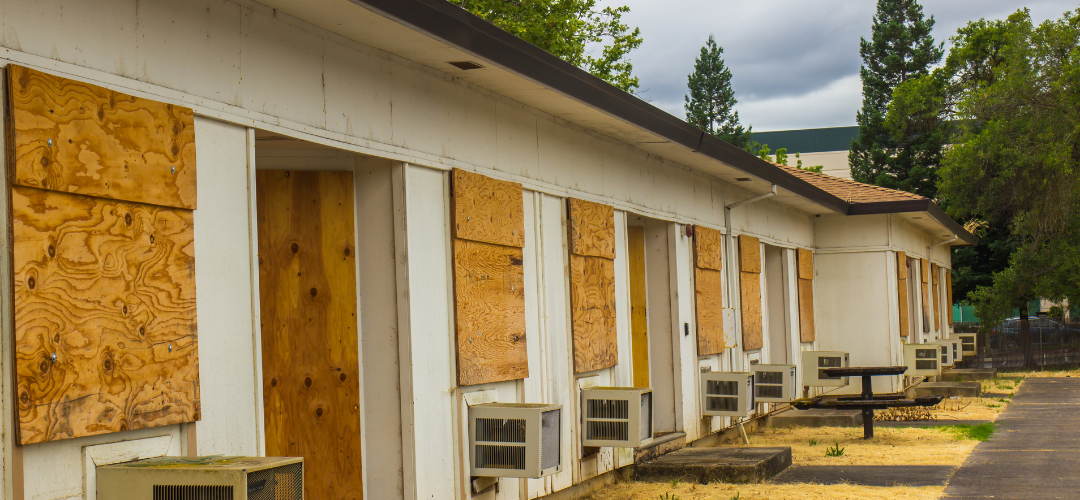
Physical stability dictates the safety of any commercial or residential property. Recognizing deterioration early prevents catastrophic failure and protects the occupants inside. Owners must identify warning signs promptly before minor degradation escalates into a massive collapse. Property decay happens quietly behind drywall, under flooring, and above ceiling tiles. A minor shift in the earth leads to severe complications within the building envelope. Regular, meticulous inspection remains mandatory for maintaining a safe, secure environment. Content Restoration Services provides the precise technical interventions needed to halt this degradation. Partnering with a specialized property restoration team gives property owners the exact diagnostic evaluations required to save compromised framing components and restore complete architectural integrity.
Table of Contents
What Are the Most Common Visual Indicators of Structural Failure?
Visual anomalies act as the first line of defense against building collapse. Buildings communicate intense physical stress through visible changes in their geometry and surface materials. Ignoring these physical signals invites severe risk to the entire property.
- Horizontal and Vertical Foundation Cracks: Horizontal fissures in concrete blocks or poured foundations signal intense lateral pressure from surrounding soil. Soil expands rapidly when saturated with heavy rainwater. This expanding, saturated earth pushes violently against the rigid concrete wall. The concrete eventually fractures under this immense weight. Vertical cracks point directly to soil settlement. The earth beneath the concrete footing compresses unevenly, causing one side of the building to drop lower than the other. Recognizing the direction, depth, and width of these cracks dictates the required engineering intervention.
- Misaligned Doors and Window Frames: Building frames shift out of a perfect square due to foundational sinking or decaying wooden supports. When this geometric alignment changes, wooden doors stick aggressively against their jambs. Metal deadbolts fail to align with their designated strike plates. Glass windows become nearly impossible to open or close without applying excessive force. This physical resistance indicates the entire building envelope is twisting. The shifting weight redistributes stress to fragile areas never designed to carry heavy vertical loads.
- Sagging Rooflines and Ridge Dips: A visible dip in the ridge of a roof points to failing trusses, prolonged moisture exposure, or excessive weight loads from accumulated debris. Roof decking relies on straight, undamaged wooden rafters for continuous support. When water seeps under damaged asphalt shingles, it rots the oriented strand board (OSB) or plywood decking beneath. The wood loses its natural rigidity. A visible downward curve in the exterior roofline warns that the structural skeleton above the living space is failing rapidly.
- Sloping Interior Floors: Noticeable angles in interior flooring point directly to compromised floor joists or a sinking foundation pier. Walking across the room reveals a distinct downward tilt toward the center or perimeter of the room. Heavy furniture leans away from the walls. This symptom often traces back to trapped moisture accumulation in an unventilated crawlspace. Damp, humid conditions cause the wooden floor joists to swell, soften, and bend under the immense weight of the flooring materials above them.
- Separation at Wall Intersections: Gaps appearing where interior walls meet the ceiling or where two walls join at a corner indicate that the framing members are pulling apart. As the building settles unevenly, the rigid drywall tape tears. These gaps widen over time, revealing the wooden studs underneath.
Why Is Structural Cleaning Critical for Diagnosing Property Damage?
Accurately assessing internal property damage requires entirely clear visibility. Years of accumulated debris, industrial soot, or biological growth obscure critical load-bearing components from plain sight. Executing professional structural cleaning removes these obstructive layers, exposing the bare building materials underneath. Technicians apply specialized abrasive methods, dry ice blasting, or industrial chemical agents to strip away heavy, baked-on grime.
Applying deep cleaning protocols allows licensed inspectors to see hairline fractures in masonry blocks or deep rust on metal I-beams. Without this precise sanitization phase, hidden defects remain completely undetected until they trigger a severe incident. The cleaning process reveals the true physical condition of wooden joists, concrete pillars, and steel columns. Removing the surface contamination gives structural engineers the raw visual data required to calculate remaining load capacities accurately. The sanitization process serves as the mandatory first step before any physical repair planning begins.
How Does High Structure Cleaning Identify Hidden Damage?
Industrial spaces, large warehouses, and manufacturing plants often accumulate heavy particulate matter on overhead architectural components. Manufacturing facilities generate massive amounts of airborne dust, chemical residue, and metallic shavings. Executing high structure cleaning provides critical access to elevated ceiling trusses, heavy HVAC mounts, and exposed framing. Technicians clear away combustible dust and corrosive residues that weaken metal fasteners and degrade wooden supports over time.
Warehouses, manufacturing facilities, and large residential properties feature vaulted ceilings and exposed upper rafters. Accessing these heights requires specialized equipment and strict safety protocols. Technicians operate aerial scissor lifts and apply high-reach vacuum systems equipped with heavy-duty HEPA filtration. They systematically remove decades of accumulated grime that actively masks failing mechanical connections.
This targeted elevated cleaning reveals multiple severe hazards:
- Loose bolts on overhead crane supports threatening an immediate collapse onto the factory floor.
- Corroded metal decking hidden above drop ceilings masking massive, stagnant water pools.
- Deteriorating fireproofing material applied to steel beams leaving the load-bearing metal dangerously exposed to extreme heat risk.
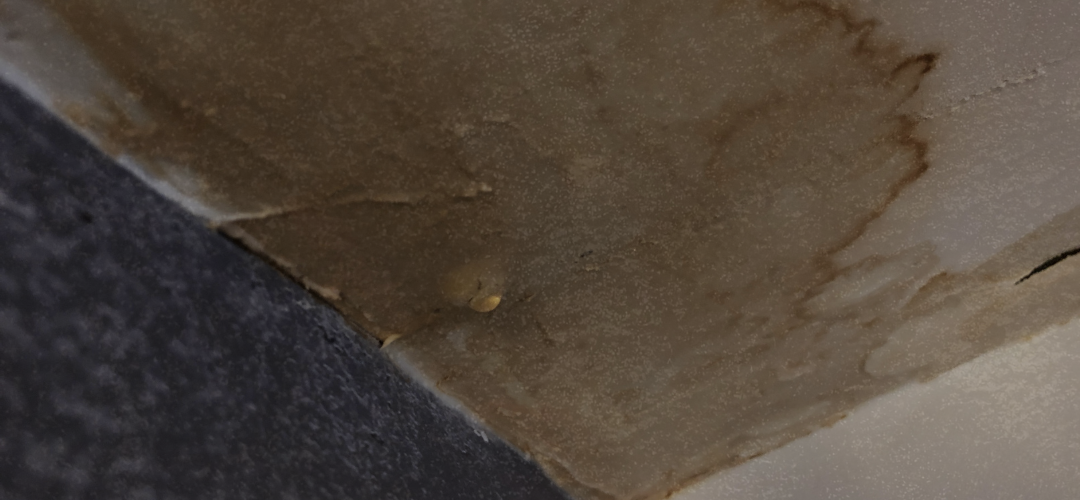
- Dark water stains indicating active leaks from rooftop HVAC units dripping directly onto critical load-bearing walls.
- Frayed electrical conduit hidden beneath layers of combustible paper dust.
What Does Efflorescence Reveal About Foundation Health?
Concrete and masonry foundations often display a chalky, white powder on their exterior and interior surfaces. Construction professionals call this powdery substance efflorescence. It serves as a glaring red flag for active moisture intrusion. Water migrating slowly through the porous concrete block carries dissolved natural salts from the surrounding soil. When the water reaches the interior surface of the basement wall, it evaporates into the air, leaving the solid salt crystals behind on the block.
These visible salt deposits indicate that the exterior waterproofing system has failed completely. Continuous water flow through the concrete actively degrades the binding agents in the cement mixture. The wall loses its compressive strength day by day. Structural cleaning experts scrub away this heavy efflorescence to inspect the exact depth of the masonry decay. Leaving the water intrusion unaddressed allows hydrostatic pressure to build exponentially, eventually fracturing the entire foundation block and flooding the lower levels.
What Environmental Factors Accelerate Building Decay in the Region?
The local climate creates constant, severe pressure on exterior building envelopes. Heavy precipitation, high summer humidity, and severe wind events degrade construction materials relentlessly. Finding experts highly familiar with the region matters immensely for proper building maintenance. Property managers require targeted recovery services throughout Fort Mill, SC to address these specific local environmental stressors. The extreme summer heat followed by sudden, severe thunderstorms causes building materials to expand and contract violently. This rapid thermal shock cracks solid masonry and snaps rigid metal fasteners.
Moisture intrusion stands as the primary enemy of structural stability in this specific climate. When rainwater breaches the exterior siding or roofing, it saturates the wooden framing members inside the wall cavity. This trapped moisture breeds aggressive wood-decaying fungi. The structural integrity of the wood vanishes rapidly.
Signs of regional water-related decay include multiple visual cues:
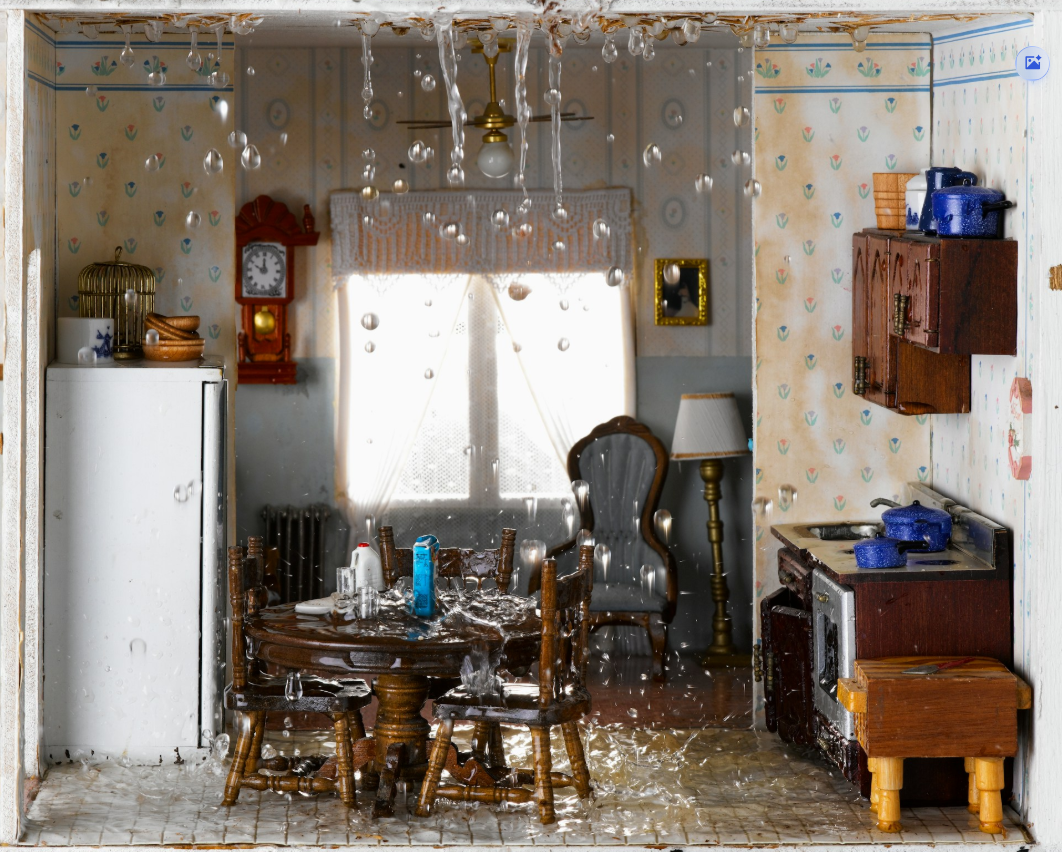
- Discolored, swollen drywall near ceilings and baseboards pointing to hidden wall cavity leaks.
- Delaminating plywood subfloors separating entirely under carpets or hardwood finishes.
- Musty, damp odors originating from crawlspaces or attics indicating active fungal digestion of the wooden joists.
- Spalling concrete on exterior foundational walls where winter water freezes and shatters the masonry surface.
What Immediate Actions Prevent Further Property Degradation?
Discovering a severe building defect demands an instant, calculated reaction. A gaping hole in a roof or a shattered load-bearing wall leaves the interior heavily vulnerable. The immediate goal is physical stabilization. Leaving the interior exposed allows rain, wind, and invasive pests to accelerate the destruction of the remaining healthy materials.
Applying a physical barrier stops external elements from compounding the existing damage. Initiating immediate structural cleaning in Fort Mill, SC creates a safe foundation for engineers to assess the core damage. Plywood covers broken windows, preventing violent wind shear from entering the structure and lifting the roof off the exterior walls. Heavy-duty polyethylene tarps shield compromised roof decking, redirecting rainwater away from the vulnerable interior framing. This stabilization creates a secure, dry environment. Detailed structural cleaning and rigorous safety assessments proceed safely only after establishing this protective exterior perimeter.
Why Do Biological Intruders Constitute Structural Emergencies?
Physical stress and heavy weather do not cause all framing failures. Biological organisms consume organic building materials quietly and continuously. Subterranean termites and carpenter ants hollow out load-bearing studs, leaving behind a fragile, paper-thin shell that looks completely intact from the outside. The wooden beams lose all load-bearing capacity while maintaining a highly deceptive outward appearance.
Mold colonies present an equally severe threat to building skeletons. Aggressive fungal growth actively breaks down the core cellulose in wood framing. Prolonged exposure causes severe dry rot, turning solid pine joists into crumbling dust.
During structural cleaning procedures, observant technicians hunt for specific biological indicators:
- Winding mud tubes traveling up exterior foundation walls created by subterranean termites seeking moisture.
- Discarded insect wings accumulating in large piles near windowsills and exterior door frames.
- Wood sounding hollow, dull, and weak when tapped with a heavy diagnostic tool.
- Visible fungal fruiting bodies anchoring firmly onto damp basement joists and wooden floorboards.
How Do Load-Bearing Wall Modifications Compromise Safety?
Property renovations often mask severe, hidden structural red flags. Inexperienced contractors sometimes remove sections of load-bearing walls to create trendy open-concept floor plans. Removing these critical vertical supports transfers immense, unsupported weight to the adjacent ceiling joists. The remaining framing bends and bows under the sudden redistribution of gravity.
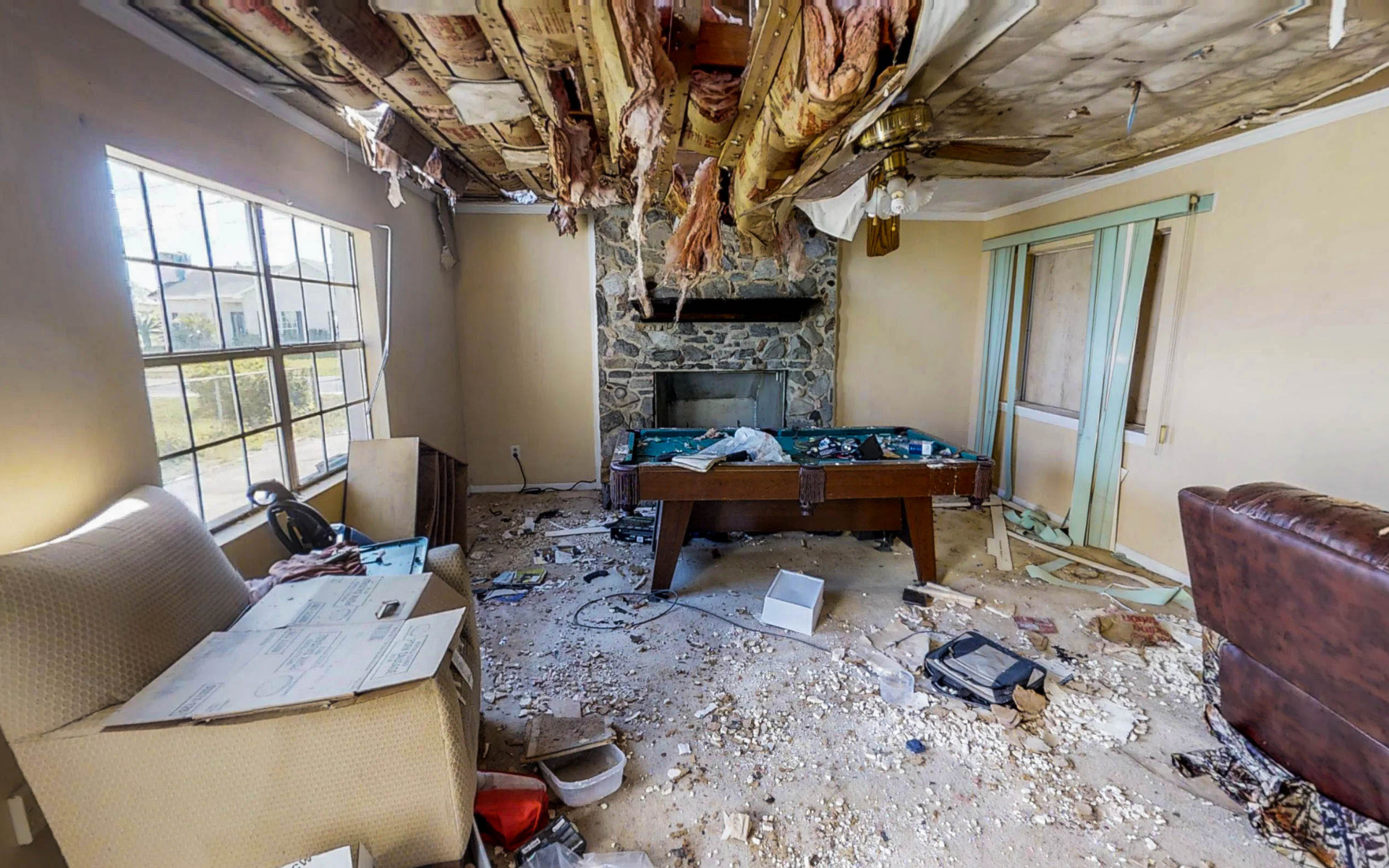
Indicators of improper wall removal appear quickly on the decorative finishes above. Deep diagonal cracks shoot across the ceiling drywall. The floor directly above the removed wall sags noticeably under human weight. Recognizing these human-made red flags prevents sudden, catastrophic ceiling collapses. Proper structural cleaning strips away decorative drywall and plaster finishes, allowing licensed engineers to verify the exact framing configuration and design immediate shoring solutions.
What Documentation Validates the Security of a Building?
After identifying and addressing the red flags, property owners need concrete proof of physical safety. A simple visual inspection provides only a basic baseline. True confidence comes from professional, documented validation. Following intensive structural cleaning, technicians compile detailed photographic reports mapping out every single defect down to the millimeter.
Engineers use these freshly cleaned surfaces to perform highly accurate mathematical load calculations. They document the exact depth of concrete cracks or the precise degree of a floor’s slope. This raw data guides the final blueprint for the repair strategy. Building owners use these detailed reports to secure municipal permits, satisfy strict insurance carrier requirements, and protect their massive financial investment in the property.
Ready to Secure and Restore Your Property?
Ignoring the clear warning signs of building decay invites catastrophic physical failure. Deep foundation cracks, sagging interior roofs, and hidden moisture damage require immediate professional intervention. Content Restoration Services delivers the exact diagnostic cleaning required to reveal hidden dangers. Our highly trained technicians execute thorough high structure cleaning to expose compromised framing and prevent severe secondary damage to your property. Protect your physical assets today before minor cracks become massive collapses. To schedule an immediate site assessment and begin your detailed recovery plan, connect with our response team right now.