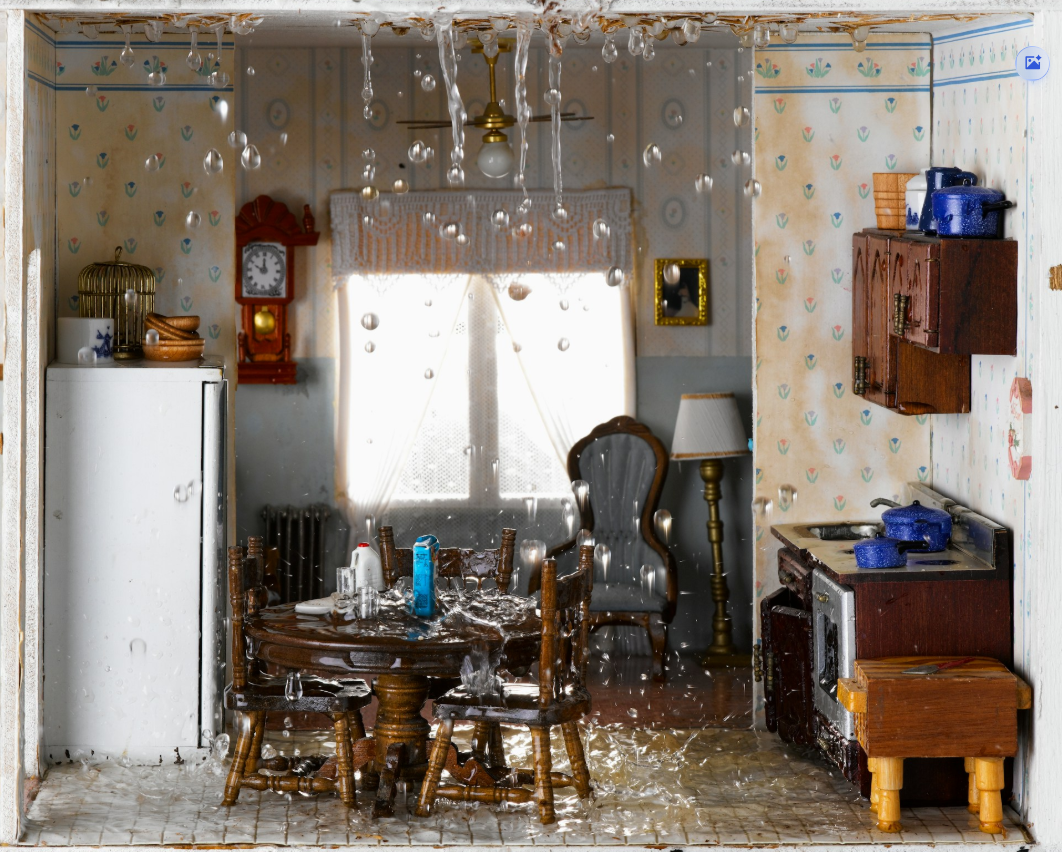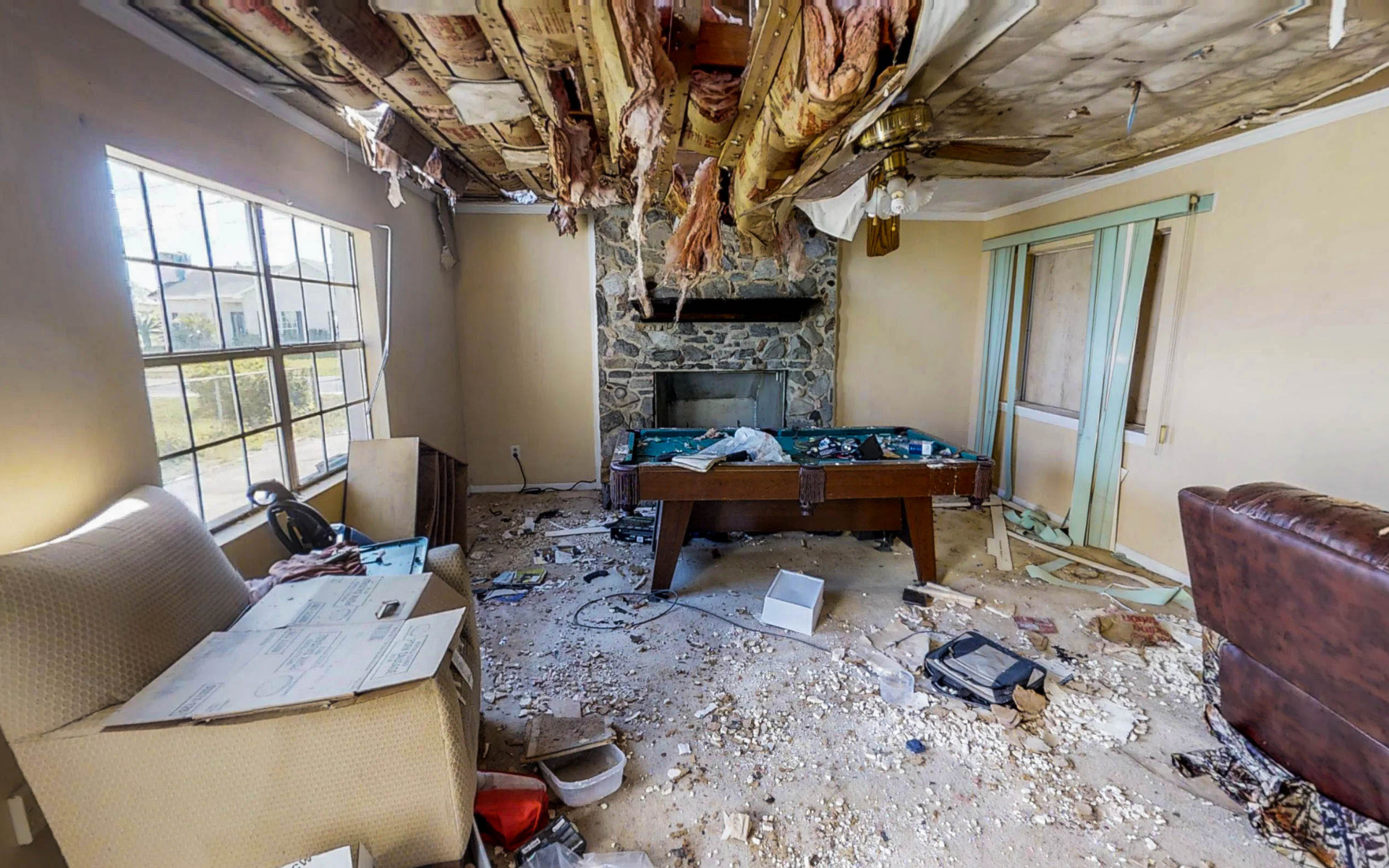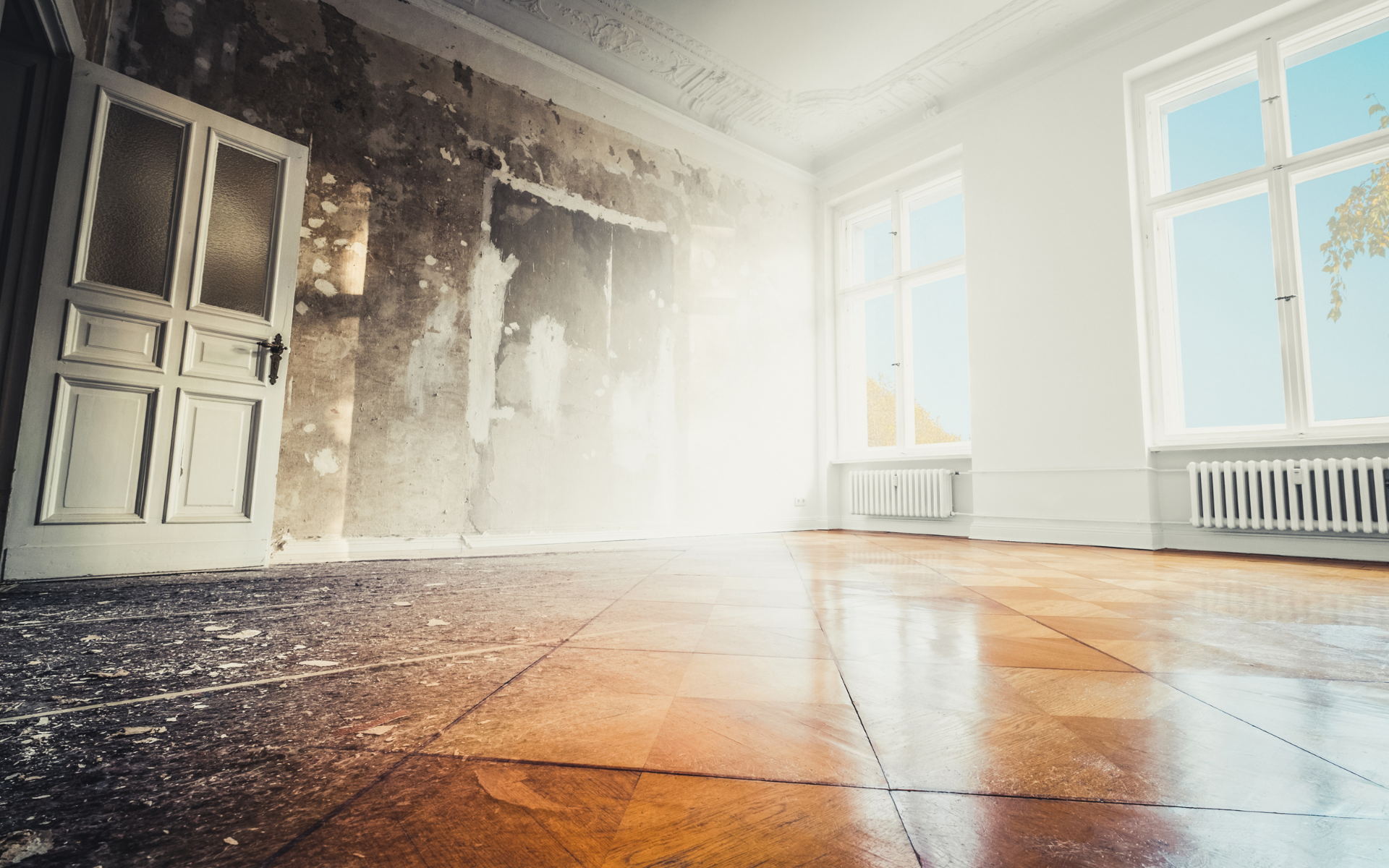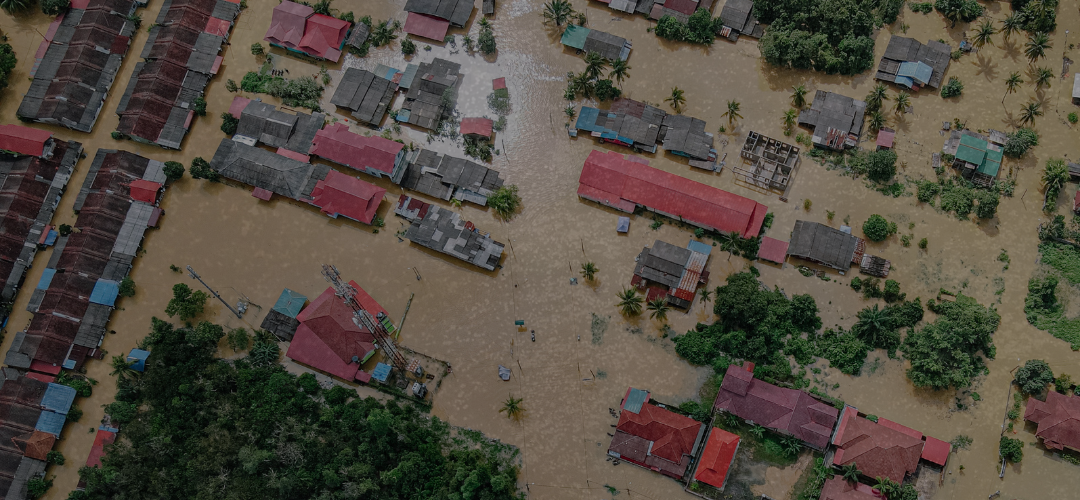
Experiencing severe structural damage to a residential or commercial building leaves the interior entirely exposed to external threats. Whether the damage originates from severe weather events, accidental fires, or unexpected vandalism, the immediate aftermath requires decisive action to protect the remaining structure. The selection of a competent restoration contractor dictates the trajectory of the entire recovery process. Property owners must evaluate multiple critical factors before entrusting a contractor with the physical security of their building. Content Restoration Services provides the expertise required to stabilize compromised structures promptly. Working with reputable property restoration professionals guarantees that the initial mitigation efforts meet stringent industry standards, protecting the building from secondary deterioration while the permanent repair planning begins.
Table of Contents
Why Is Immediate Emergency Readiness Critical After Property Damage?
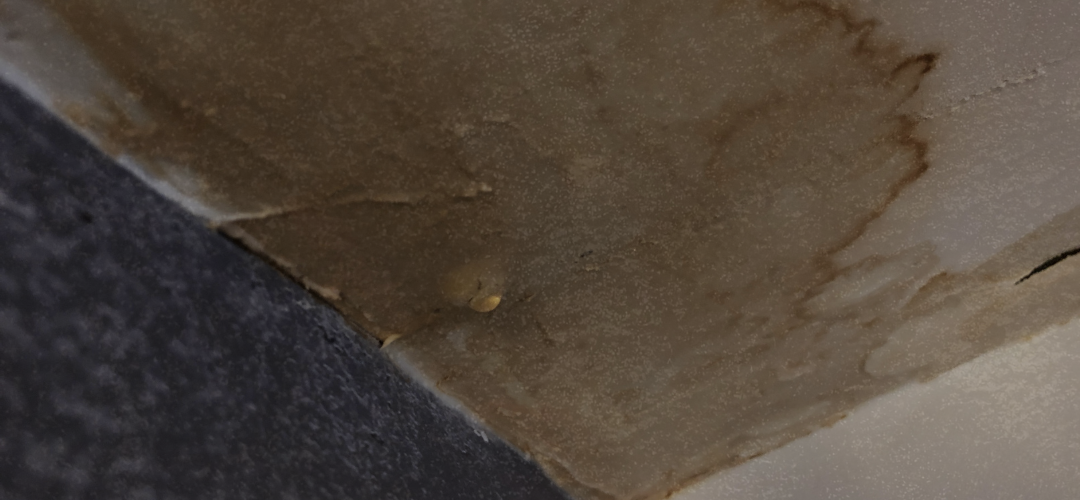
Following a severe structural breach, the clock immediately begins ticking on secondary property damage. A compromised roof or shattered windows allow exterior elements to penetrate the conditioned envelope of the building. Rainwater entering through a damaged roof quickly saturates insulation, degrades drywall, and pools on flooring surfaces. Within a concise timeframe, this trapped moisture creates an environment conducive to severe mold proliferation.
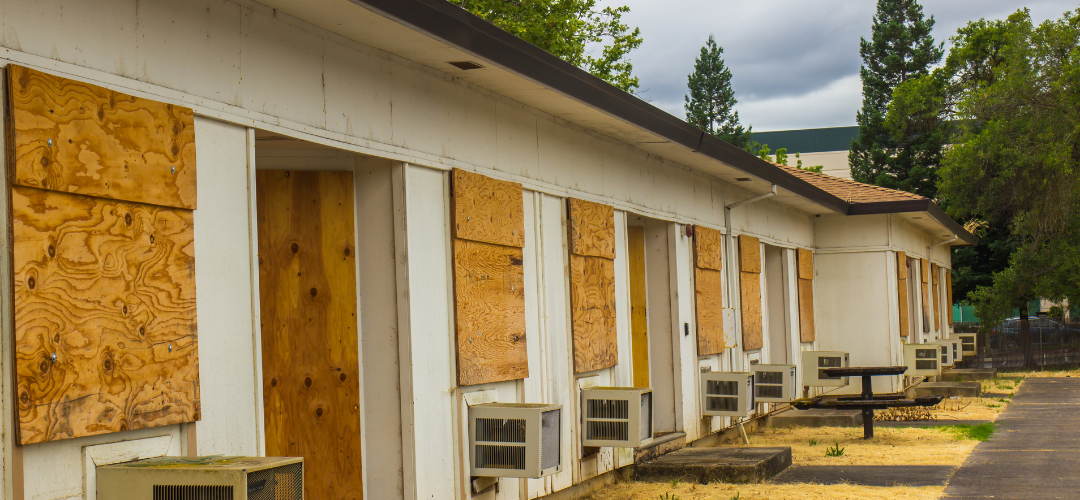
Rapid deployment directly halts this cascade of secondary destruction. A proficient restoration organization maintains constant readiness to dispatch technicians at any hour. This immediate availability separates capable organizations from standard contractors. By applying professional board and tarp-ups within hours of the initial incident, technicians create a highly effective physical barrier against further rain, wind, and unwanted human or animal entry.
Key Elements of an Effective Emergency Response
Evaluating a company’s readiness requires examining their operational protocols. Competent organizations share several distinct characteristics regarding their dispatch capabilities:
- 24/7 Operational Dispatch: Disasters rarely align with standard business hours. A capable firm staffs dispatchers and field technicians around the clock, guaranteeing immediate communication regardless of the time or day.
- Pre-Loaded Deployment Vehicles: Response teams maintain fleet vehicles fully stocked with dimensional lumber, heavy-duty polyethylene tarps, specialized fasteners, and safety equipment. This preparation eliminates delays associated with sourcing materials after receiving an emergency call.
- Rapid Mobilization Protocols: Internal procedures mandate strict departure times following the initial contact. Technicians receive immediate briefings while en route to the site, allowing them to begin stabilization work the moment they arrive.
- Immediate Hazard Recognition: Upon arrival, emergency responders possess the training to identify live electrical wires, compromised structural supports, and other immediate life-safety hazards before beginning the stabilization process.
How Does Industry Experience Affect the Quality of the Installation?
The physical act of securing a damaged building requires far more than simply placing plastic over a hole or nailing wood over a window frame. Amateurs frequently cause extensive additional damage to the property during the stabilization attempt. Driving nails haphazardly into healthy roofing shingles, window frames, or siding creates permanent holes that require expensive replacements later.
Experienced technicians understand the precise structural mechanics required to secure materials without harming the surrounding healthy architecture. They apply furring strips to anchor tarps securely, distributing the tension evenly across the surface. This technique prevents the tarp from tearing under heavy wind loads. For broken windows, seasoned professionals measure the exact dimensions of the opening and secure the plywood using tension-based systems or strategic fastening points that leave the actual window framing completely intact.
Which Certifications Indicate a Qualified Property Restoration Team?
Evaluating a company’s formal credentials provides objective evidence of their capabilities. The property restoration industry relies on distinct governing bodies to establish the standards of care for mitigation and recovery. A company operating without these credentials presents a significant risk to the property owner. Proper documentation proves that the technicians understand the scientific principles of moisture control, structural drying, and hazardous material handling.
Recognized Credentials in the Restoration Industry
Property owners should actively request proof of the following qualifications before signing any authorization forms:
- Institute of Inspection, Cleaning and Restoration Certification (IICRC): This governing body sets the global standards for the restoration industry. Technicians carrying IICRC certifications have passed rigorous examinations detailing the exact physics of water damage, structural drying, and odor control.
- Occupational Safety and Health Administration (OSHA) Compliance: Securing a steeply pitched roof following a storm or navigating a fire-damaged interior presents extreme physical dangers. Strict adherence to OSHA fall protection and hazard communication standards protects both the workers and the property owner from liability.
- Active Bonding and Liability Insurance: Operating on a compromised structure carries inherent risks. A verifiable general liability policy and active workers’ compensation coverage shield the property owner from any financial responsibility should an accident occur during the stabilization process.
- Lead and Asbestos Awareness: Older structures frequently contain hazardous materials that become exposed during a disaster. Certified teams recognize these materials instantly and implement proper containment protocols before disturbing the site further.
What Steps Establish a Secure Property Perimeter?
The process of securing a damaged building follows a strict, sequential methodology. Bypassing any of these steps compromises the effectiveness of the temporary barrier. Professional teams execute a highly coordinated routine upon arrival.
- Thorough Structural Assessment: Before moving any materials, the team leader evaluates the load-bearing capacity of the damaged area. They identify sagging rooflines, compromised load-bearing walls, and unstable debris.
- Debris Removal and Hazard Clearing: Technicians carefully remove shattered glass, splintered wood, and ruined roofing materials from the immediate work area. This clearing process prevents sharp objects from puncturing the protective tarps and creates a safe working surface.
- Precise Dimensional Measurement: Every opening receives exact measurements. Technicians cut the oriented strand board (OSB) or plywood precisely to match these dimensions, creating a tight seal against the elements.
- Material Application and Weatherproofing: For roof damage, technicians roll out heavy-duty, UV-resistant tarps. They stretch the material tightly across the breach to prevent water pooling. Furring strips are then screwed into the structural decking—never just the shingles—to lock the tarp in place against high wind shear.
- Final Perimeter Inspection: Once the materials are secured, the team conducts a complete visual inspection of the envelope, checking for any gaps or loose fasteners that might fail under stress.
How Can Residents Verify Local Expertise in the Area?
Familiarity with the exact geographic region plays a massive role in the success of the recovery effort. Companies traveling from out of state after a major storm often lack the necessary context regarding local building codes and regional climate challenges. Securing specialized property restoration solutions in Fort Mill, SC provides distinct advantages.
Local operators understand the specific weather patterns native to York County, including the intense summer humidity, rapid severe thunderstorms, and the remnants of coastal tropical systems. This regional knowledge dictates the type of materials used and the required tension for roof tarps. Furthermore, local companies possess established relationships with regional insurance adjusters and municipal building inspectors, allowing the administrative side of the recovery process to move forward without unnecessary delays.
Does the Quality of Materials Impact Temporary Structural Protection?
The physical supplies used during the stabilization phase directly determine the longevity of the protection. Inferior materials fail rapidly when exposed to the elements. Property owners must verify that the responding contractor uses industrial-grade supplies designed explicitly for disaster mitigation.
Standard blue camping tarps lack the tensile strength required to withstand continuous wind exposure or heavy rainfall. Professional teams utilize woven polyethylene tarps with heavy mil thickness and built-in ultraviolet resistance. These industrial tarps resist degradation from direct sunlight, maintaining their structural integrity for months if the permanent repair process faces supply chain delays.
Similarly, the wood used to secure windows and doors must meet specific structural requirements. Technicians select appropriate thicknesses of plywood or OSB to repel forced entry attempts and withstand high-velocity debris impacts during subsequent storms. The fasteners used are equally critical; hardened steel screws provide vastly superior holding power compared to standard nails, and they allow for much cleaner removal once the permanent glass or roofing materials arrive.
How Do Proper Temporary Repairs Mitigate Financial Loss?
Failing to secure a property immediately following a disaster carries severe financial consequences. Almost all standard property insurance policies contain a strict “duty to mitigate” clause. This contractual language requires the policyholder to take immediate, reasonable steps to prevent further damage to the insured property after an initial loss occurs.
If a property owner ignores a compromised roof, and a subsequent rainstorm destroys the hardwood floors and custom cabinetry inside the home, the insurance carrier maintains the legal right to deny coverage for that secondary water damage. The carrier will argue that the interior destruction was entirely preventable. Retaining a professional firm to install proper temporary barriers fulfills this contractual obligation perfectly. The contractor documents the stabilization process meticulously with time-stamped photographs and detailed written reports, providing the property owner with irrefutable proof of their compliance with the insurance policy requirements.
What Are the Long-Term Benefits of Professional Initial Mitigation?
The actions taken in the first twenty-four hours after a property disaster dictate the complexity of the entire reconstruction phase. Proper initial stabilization preserves the structural skeleton of the building. By completely halting water intrusion, technicians protect the wooden framing members from absorbing moisture, warping, and eventually rotting.
This preservation extends to the salvageable contents inside the building. Furniture, electronics, important documents, and family heirlooms survive only if the interior humidity levels remain controlled. A securely tarped roof and tightly boarded windows stop the influx of humid exterior air, giving the restoration team the opportunity to deploy commercial dehumidifiers and air movers. This controlled environment dries the interior rapidly, denying mold spores the moisture they require to colonize the building materials.
Ready to Secure Your Damaged Property Promptly?
When structural damage leaves your home or business exposed to the elements, immediate physical stabilization is the only way to protect your remaining assets. Delaying this vital step invites severe water damage, hazardous mold growth, and unauthorized entry. You need a highly trained team capable of arriving quickly, assessing the danger, and applying industrial-grade barriers that withstand the harshest weather conditions. Do not leave your valuable property vulnerable for another minute. To schedule an immediate assessment and contact our emergency response coordinators, reach out directly to Content Restoration Services today.