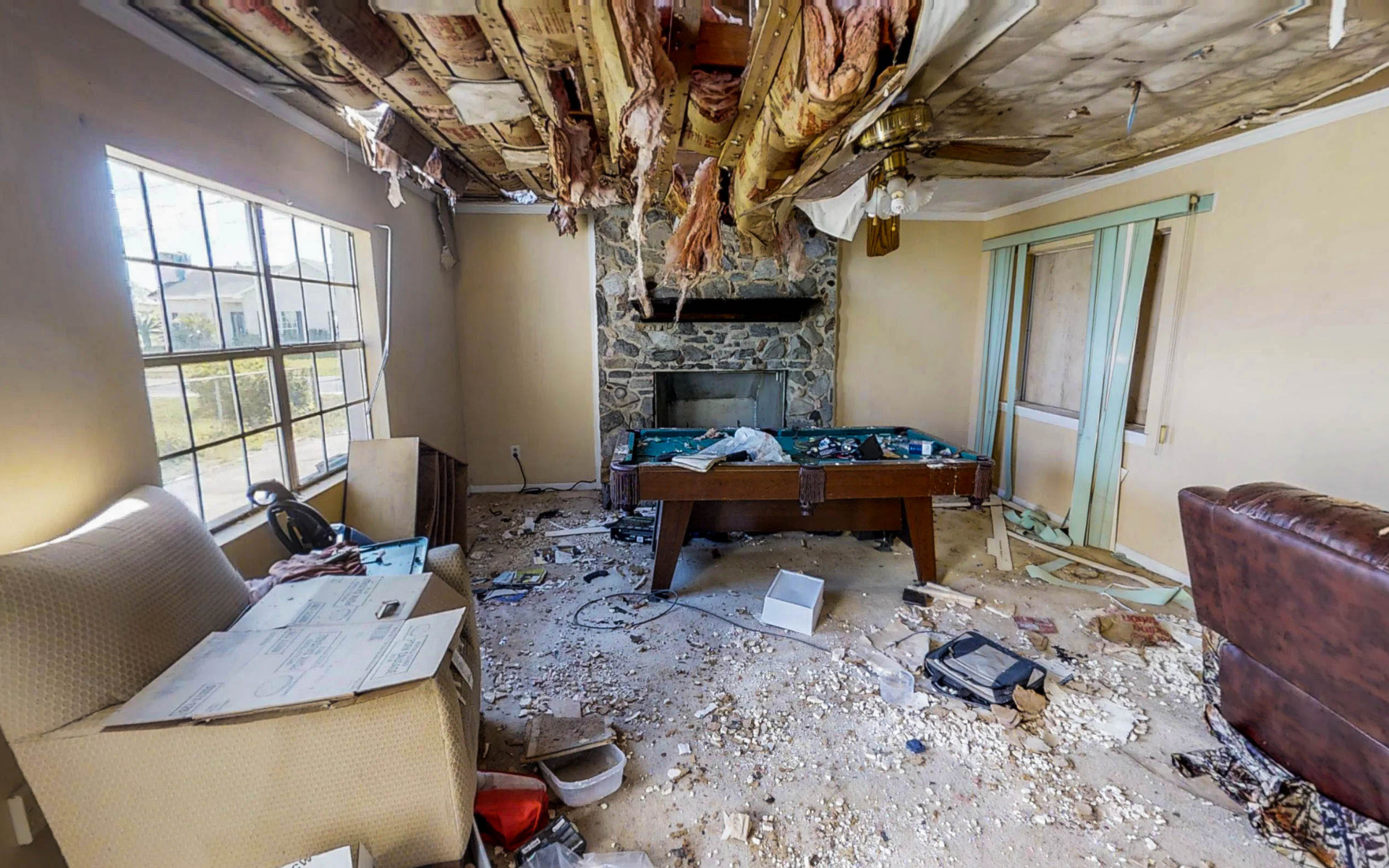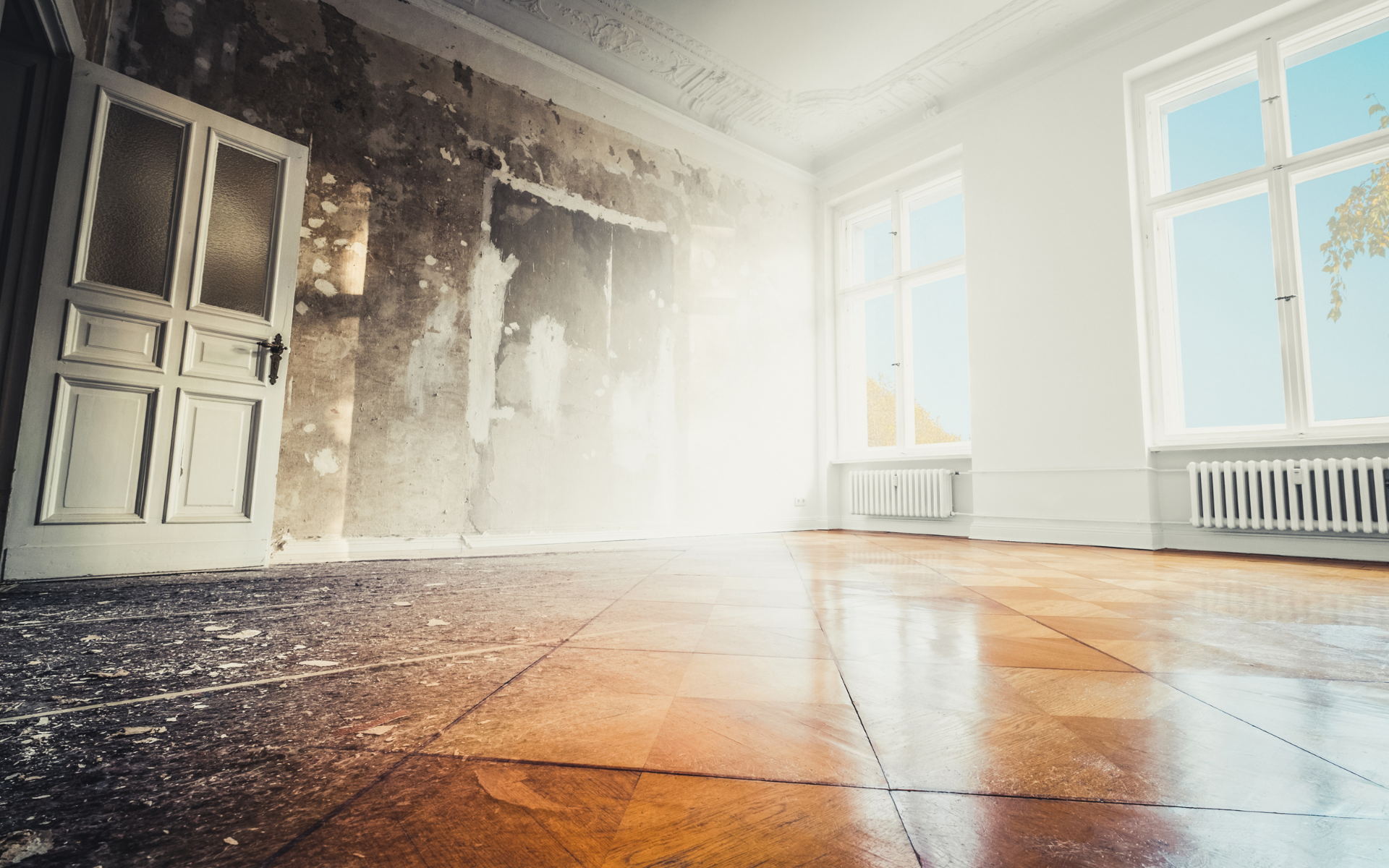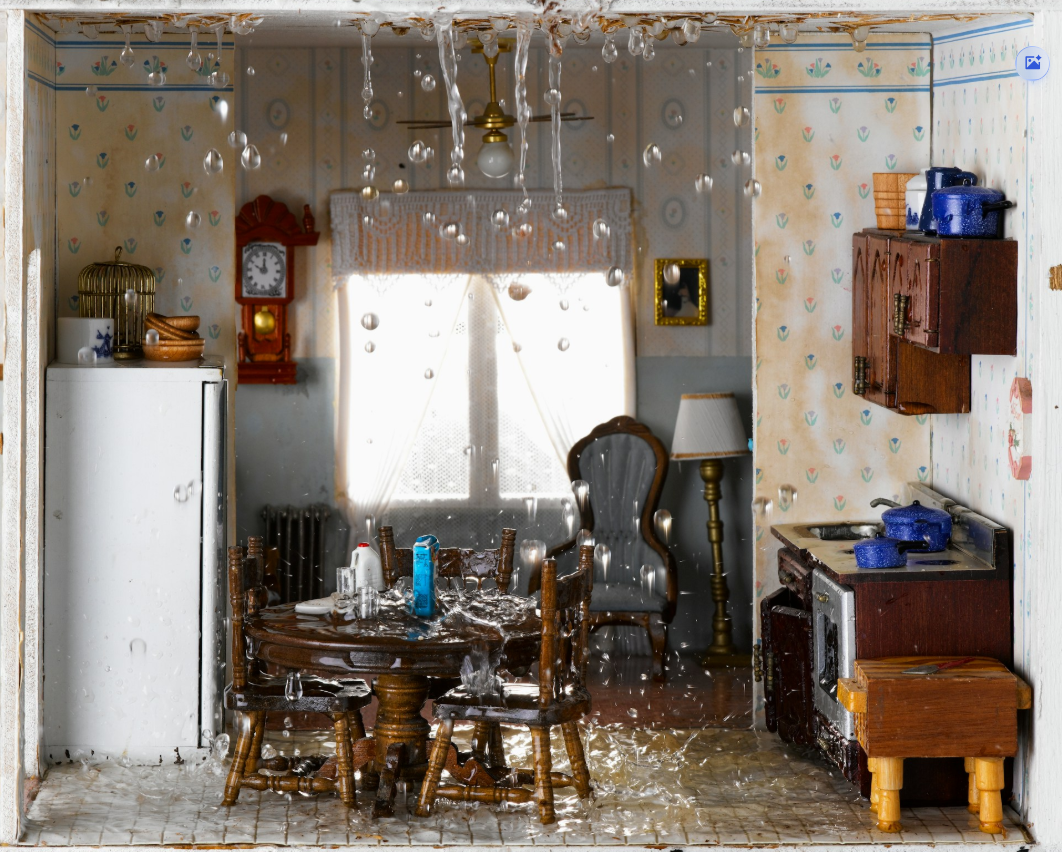
A burst pipe or a strong Carolina storm causes immediate stress. Finding water inside a Fort Mill home creates a big challenge. Homeowners must quickly decide what items can stay and what items must go. The South Carolina climate brings high humidity. This thick air makes secondary problems like mold grow fast in York County houses. Professional water damage restoration relies on knowing exact material techniques. Knowing the exact threshold for replacement keeps the home safe and structurally sound. The local trusted property recovery professionals at Content Restoration Services know how to make these tough choices easier.
Table of Contents
What is Water Damage Restoration?
Water damage restoration is the professional process of cleaning, drying, sanitizing, and repairing a property after water intrusion. It involves water extraction, moisture mapping, structural drying, and the salvage or replacement of affected materials.
Do-it-yourself attempts often miss hidden moisture behind walls or under floors. Left alone, this hidden dampness rots wood and feeds dangerous mold. Experts use professional water damage restoration services to find the deep water normal eyes cannot see. Proper extraction protects the house from future structural failures.
How to Handle Flooring After Water Exposure
Flooring takes the hardest hit during a flood. The final result depends entirely on the flooring material. Every surface reacts differently to standing water.
Hardwood Floors: Can They Be Saved?
Specialists use special drying mats and negative pressure systems on wet wood. Acting fast stops the wood boards from “cupping” or “buckling” permanently. Delamination happens when the layers inside engineered wood separate. Severe warping also ruins the planks. The floor needs replacing when the wood layers break apart.
Carpeting and Padding
Clean water leaks require hot water extraction and deep sanitization. The carpet pad acts like a giant sponge. Workers almost always throw the padding away. Contaminated water from sewage or outdoor floods makes the carpet totally unsafe. Strict health rules require throwing away any carpet touched by dirty water.
Laminate and Luxury Vinyl Plank (LVP)
Luxury Vinyl Plank resists water very well. Workers can pull it up, dry the concrete underneath, and put the planks back down. Laminate floors absorb water right at the seams. The edges swell up like a balloon. Swollen laminate never shrinks back to normal and requires a full replacement.
Drywall Water Damage: Repair or Replace?
Finding the exact damage line saves time and materials.
Identifying the Extent of the Damage
- Check for visible sagging, bubbling paint, or weak spots.
- Use professional moisture meters to detect hidden dampness.
- Look for early signs of mold growth or musty odors.
The Repair vs. Replace Threshold
Clean water might only make the drywall slightly damp. High-capacity dehumidifiers and air movers will dry it in place if the wall remains strong. The “flood cut” method removes drywall a few inches above the highest water mark. The wall needs replacing if it crumbles, grows mold, or touches dirty floodwater. Content Restoration Services uses precise tools to test the walls before making a cut.
Saving Your Furniture: Wood, Upholstery, and More
Furniture holds deep sentimental value. Saving family heirlooms is a top priority for Fort Mill families.
Solid Wood vs. Particle Board
Solid wood pieces need slow drying, careful cleaning, and refinishing. Fast heat drying causes the wood to crack and split. Particle board and MDF soak up water instantly. The material swells up and crumbles apart. Broken particle board goes straight to the trash.
Upholstered Furniture
Fabric chairs and couches need deep cleaning, antimicrobial sprays, and special drying chambers. Dirty floodwater ruins upholstery. Mold growing deep inside the foam cushions makes the furniture unsafe for a family to keep.
Why Fast Action Matters in Fort Mill, SC
Fort Mill experiences muggy summers. High humidity creates a perfect home for fast-growing mold. The window for a successful water damage restoration stays open for only 24 to 48 hours. Quick action saves materials and stops a bigger disaster. Waiting longer forces homeowners to throw away items they wanted to keep. Calling Content Restoration Services right away gives property owners the highest chance of saving their belongings.
Need Expert Water Damage Restoration in Fort Mill?
Dealing with a flooded home feels overwhelming. Nobody should make these tough choices alone. Early help saves floors, walls, and precious furniture. Reach out to Content Restoration Services today to protect the property. A local Fort Mill water damage restoration specialist will arrive quickly to schedule a fast property inspection and stop the damage from spreading.
Water Damage Restoration: Frequently Asked Questions
1. How do I know if an item or structural area should be restored or replaced? The decision largely depends on the type of water involved and the extent of the damage. Clean water (e.g., a burst pipe) often allows for successful restoration if dried quickly. However, if the water is contaminated (gray or black water from sewage or floods), porous materials like mattresses, upholstery, or drywall are often unsalvageable and must be replaced for health and safety reasons. Professionals use moisture detection tools to determine if materials are structurally sound enough to be saved.
2. Why is professional restoration often better than DIY cleaning? While you may be able to mop up surface water, water damage often hides deep within walls, under flooring, and inside structural layers. Professionals use industrial-grade dehumidifiers, air movers, and thermal imaging to find and remove “hidden” moisture. Failing to remove this deep moisture can lead to serious mold growth, warped structural beams, and rot that may not become visible until months later.
3. What steps should I take immediately after discovering water damage? Your priority is safety. If it is safe to do so, shut off the water source and avoid touching electrical outlets or using standard vacuum cleaners. Prop up wet upholstery and place foil or plastic under furniture legs to prevent moisture wicking. Once you have taken these initial steps, call a professional restoration service immediately to begin the mitigation process—time is the most critical factor in preventing permanent damage.
4. How does “contents restoration” work for my personal belongings? If your personal items (furniture, photos, electronics) are damaged, professionals often use a “pack-out” process. Items are inventoried, carefully moved to a climate-controlled off-site facility, and treated using specialized equipment like ultrasonic cleaners, drying chambers, and deodorizing technology. This protects your belongings from further damage while your home undergoes structural drying and repairs.
5. Is it worth the cost to restore rather than replace? Restoration is often more cost-effective and faster than full replacement, especially for unique, high-value, or sentimental items like antique furniture or custom cabinetry. However, if an item is inexpensive (like particle-board furniture) or heavily contaminated, the cost of professional cleaning may exceed the replacement value. A professional restoration team will be transparent about the realistic chances of saving an item versus the cost of replacing it to help you make the best financial decision.