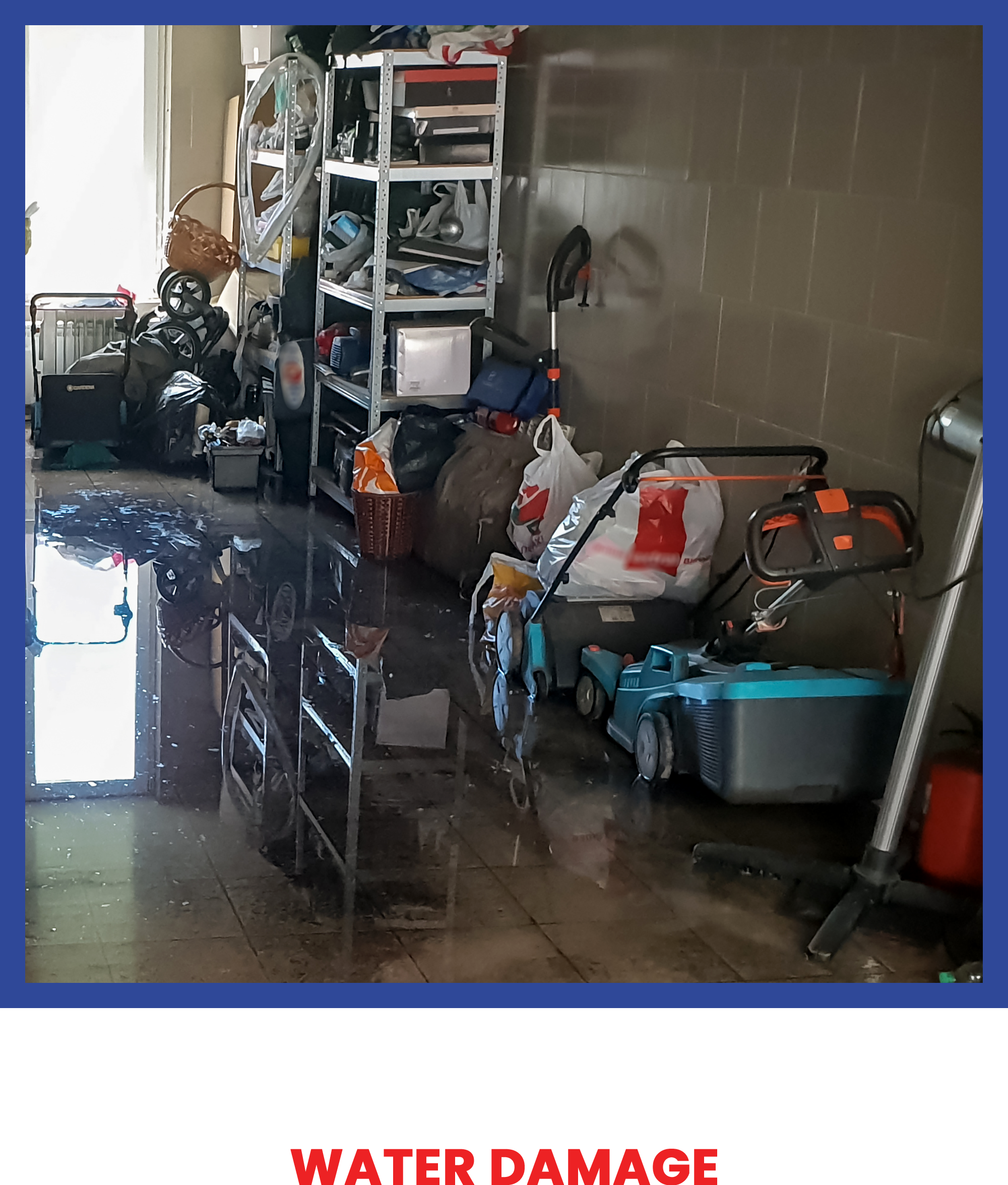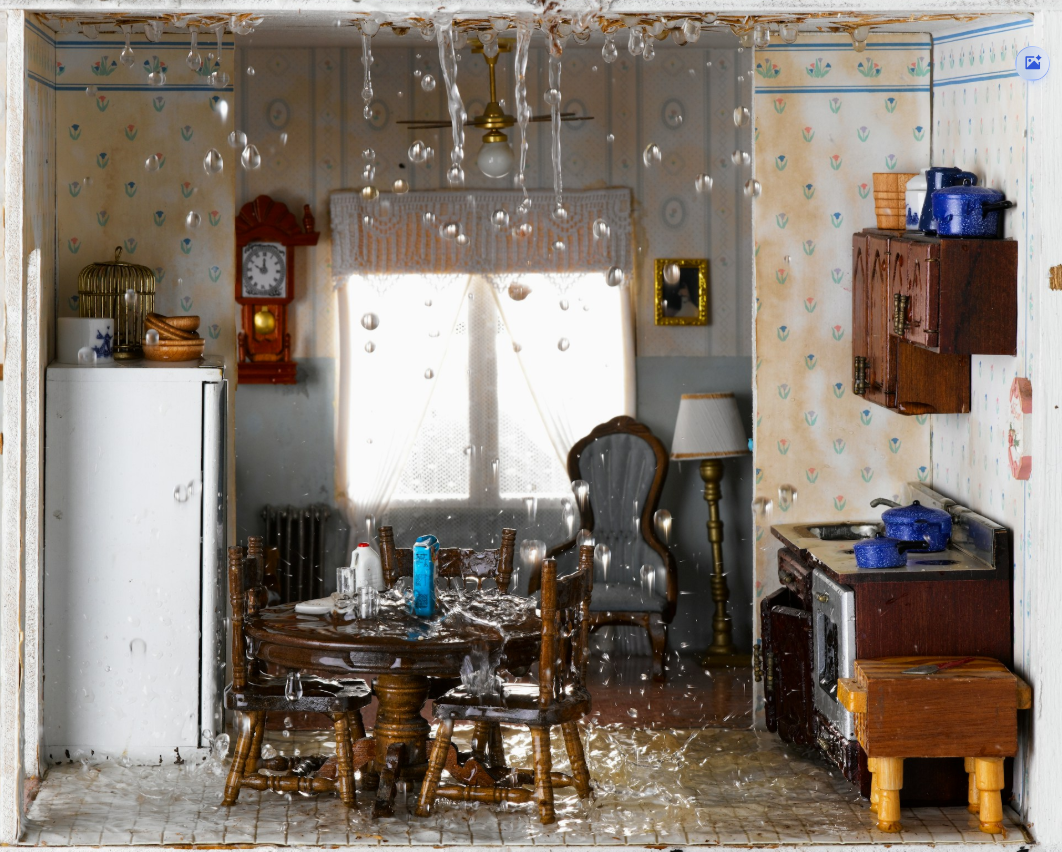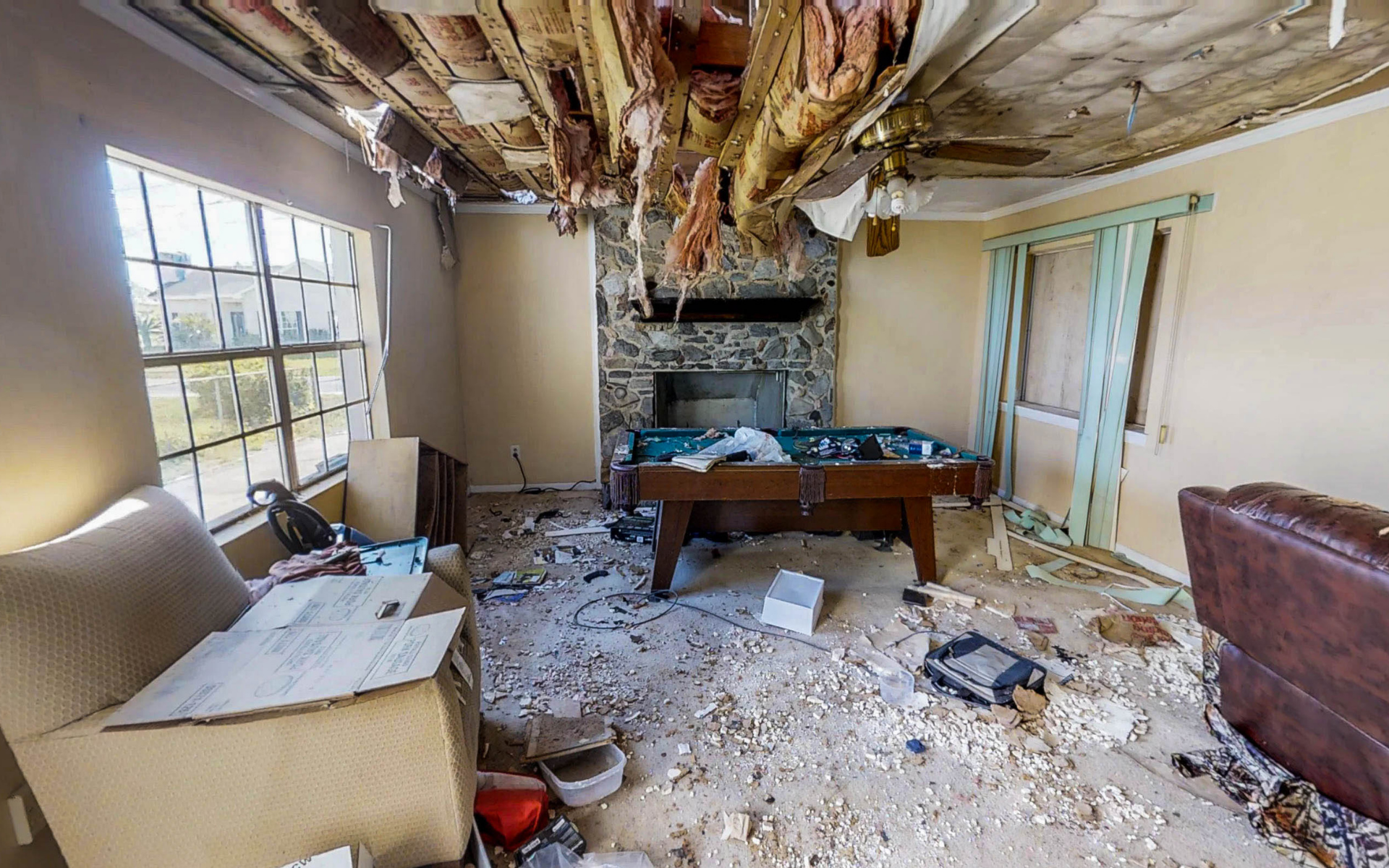
Crawl space flooding Charlotte NC homeowners report often starts after a long fall rain. Water collects under the house, and most people never see it. Fort Mill homes sit on Piedmont clay soil, which drains slowly and holds water near the foundation. Contents Restoration Services helps local families find the source, remove the water, and protect the home. This guide explains the causes and the fixes in clear steps.
Table of Contents
Why Does My Crawl Space Flood?
A crawl space floods when water enters faster than it can leave. Common sources are heavy rain, poor grading, clogged gutters, plumbing leaks, and high groundwater. Piedmont clay soil makes each of these worse because it drains so slowly. Five causes explain most cases:
- Piedmont clay soil. Clay swells when wet and sheds water slowly. Rain pools beside the foundation instead of soaking away.
- Hydrostatic pressure. Saturated soil pushes against walls and floors. The force finds small cracks and moves water through them.
- Poor grading and drainage. Ground that slopes toward the house sends rain under it.
- Clogged gutters. Fall leaves block downspouts. Overflow lands right at the foundation.
- Plumbing leaks. A split supply line or a cracked drain adds water all year long.
November is a risk month in Fort Mill. Leaves are down, the ground is wet, and winter storms are close. A small problem now can become a flooded crawl space by January.
How Can You Spot Standing Water Under the House?
Your home breathes through its crawl space. Air from below rises into the rooms above. Standing water under house floors affects the air you breathe, not only the wood. Watch for these signs:
- A musty smell in closets or hallways
- Wet or sagging insulation
- Dark spots on joists or the subfloor
- Floors that feel soft or uneven
- Insects, rodents, or rust on ducts
- Doors that stick after rain
If you notice two or more signs, check the space or call a professional. Do not enter water that touches wires or equipment.
What Should You Do First When Water Is Under the House?
Move quickly. Mold can start within 48 hours. Take these steps in order:
- Turn off power to the area if water is near wiring or equipment.
- Stop the source. Shut off the main water line if a pipe is leaking.
- Take photos and notes for your insurance claim.
- Call a restoration team for water removal and drying. Our water damage restoration services cover extraction, drying, and moisture checks.
- Plan the repair once the space is dry.
Which Fixes Stop Crawl Space Flooding for Good?
Removing water is only the first job. The cause must be fixed, or the water returns. Match the fix to the source:
- Correct grading and drainage. Slope the soil away from the house. Extend downspouts several feet past the foundation.
- Install a French drain. A French drain crawl space system collects groundwater along the footing and guides it to a safe exit.
- Add a sump pump. A crawl space sump pump moves collected water out of the space. A battery backup keeps it running during storm outages.
- Lay a vapor barrier. A crawl space vapor barrier Charlotte homes need is a heavy plastic sheet over the soil. It blocks ground moisture and is sealed at the walls.
- Consider encapsulation. Encapsulation seals the floor, walls, and vents into one dry, controlled space.
- Match dehumidifier sizing to the space. A unit that is too small runs nonstop and still leaves damp air. Aim for humidity below 60 percent.
Many homes need two or three of these fixes together. A site visit shows which ones apply to your property.
What Does Professional Water Removal Involve?
A trained crew follows a set process, so nothing is missed. The work for crawl space flooding Charlotte NC area homes usually runs in this order:
- Inspect the space and find the water source.
- Pump out standing water.
- Remove wet insulation and damaged materials.
- Dry the framing with air movers and dehumidifiers.
- Check moisture levels until the wood is dry.
What Happens If You Wait Too Long?
Water under a home does quiet harm. Each week adds risk. Wet wood loses strength, and damp air rises into the living space. The damage grows in this order:
- Mold spreads across joists and the subfloor.
- Wood rot weakens the floor frame.
- Humid air raises cooling and heating costs.
- Pests move in and build nests.
Early action costs less effort and protects your health. A dry crawl space also supports resale value.
Fort Mill sits near the state line, so storms from both Carolinas bring heavy rain to the area. A home with a weak drainage plan feels every one of them. A short inspection each fall finds small problems early and keeps repairs simple.
How Can Fort Mill Homeowners Prepare This Winter?
A few simple checks lower the risk before the wet season peaks:
- Clear gutters after the last leaves fall.
- Point downspouts away from the foundation.
- Test the sump pump by pouring in a bucket of water.
- Wrap exposed pipes before the first hard freeze.
- Walk the yard after storms and look for pooling water.
- Check the vapor barrier for gaps or torn seams.
Why Call Contents Restoration Services?
Contents Restoration Services serves Fort Mill, York County, and the greater Charlotte area. Our crews find the water source, remove standing water, dry the structure, and confirm moisture levels. We explain each step in plain terms, so you always know what is happening under your floors.
Crawl space flooding Charlotte NC families deal with does not fix itself. Water that sits under your home invites mold and weakens wood. Contact Us Today to schedule an inspection and stop the damage before the winter rains arrive.