The signs of hidden water damage are easy to overlook. A slow leak makes no noise and leaves no puddle. It works behind walls and under floors for weeks. The team at Contents Restoration Services helps Fort Mill families find these leaks early. This guide lists nine warning signs, explains what causes them, and shows what to do next.
Table of Contents
Why Does Water Damage Stay Hidden?
Water damage stays hidden because water moves to low, closed-off spaces. It slips behind drywall, under flooring, and above ceilings. Through capillary action, materials like drywall and wood pull moisture upward, like a paper towel dipped in a glass. A small leak can spread much farther than it looks.
Fall in the Carolinas adds to the risk. Heavy rain and cooler nights put stress on roofs, gutters, and pipes. Damp air also lingers longer in closed homes.
What Are the 9 Signs of Hidden Water Damage?
Check your home for these signs:
- A musty smell. Musty smell in house causes often trace back to moisture trapped in walls or crawl spaces. The odor gets stronger when the air is damp.
- A high water bill with no change in habits. A high water bill leak is often the first clue. A running toilet or a pinhole pipe leak can raise usage each month.
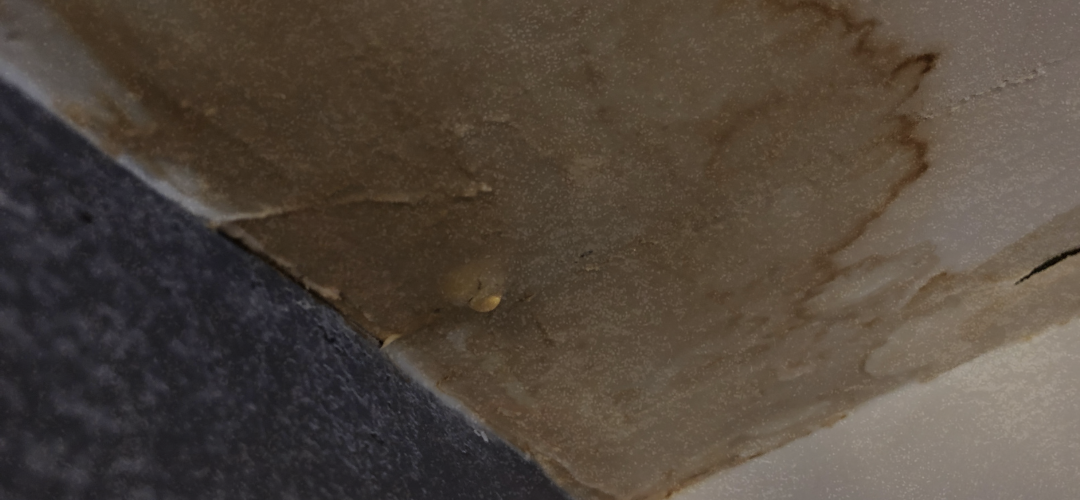
- Water stains on ceilings or walls. A water stain on ceiling meaning usually points to a roof leak or a pipe above. Brown rings that grow after rain are a strong signal.
- Peeling or bubbling paint. Moisture pushes paint away from the wall surface.
- Warped or cupped floors. Warped flooring water damage appears when boards soak up moisture from below. Floors may lift at the edges or feel soft.
- White, chalky deposits on masonry. This is efflorescence. Water carries salts through brick or concrete and leaves them on the surface.
- Visible mold or dark spots. Mold needs moisture. Spots in corners, closets, or behind furniture are common.
- Soft or sagging drywall. Press the wall with your hand. Spongy drywall holds water.
- The sound of dripping or a hissing pipe. Listen at night when the house is quiet.
How to Tell If You Have Water Damage Behind Walls
If you want to know how to tell if you have water damage behind walls, start with your senses and a few simple checks:
- Look. Check for stains, bubbles, or cracks in the paint.
- Touch. Feel the wall for cool or damp spots.
- Smell. Notice odors near baseboards and outlets.
- Tap. A dull sound can point to wet drywall.
- Compare. Check your water meter. Turn off all faucets and see if it still moves.
Visual checks have limits. Professionals use a moisture meter to read the water level inside walls and floors. They also use thermal imaging. This tool shows temperature differences on a wall, and wet areas often appear cooler.
Which Hidden Leaks Cause the Most Harm?
Some leaks do more damage than others. Watch these areas:
- Under sinks and behind toilets. Supply lines loosen over time.
- Around water heaters and washers. Hoses wear out and drip.
- Roof valleys and flashing. Fall storms test every weak spot.
- Unheated crawl spaces. Damp soil and cold air create hidden moisture.
If the cause is a failing pipe, call a plumber right away. Emergency plumbing service stops the source so drying work can begin.
Why Is Fall a Good Time to Check Your Home?
Fall is the right season for a home check. Summer storms may have left roof or window leaks that went unnoticed. Winter is close, and cold weather can crack weakened pipes. A quick inspection in October gives you time to fix problems before the first freeze.
Try this simple fall routine:
- Clear gutters so water flows away from the foundation.
- Look at the attic ceiling after each heavy rain.
- Check crawl space vents and the soil for damp patches.
- Read your water meter once a month and note any change.
What Happens If You Ignore Hidden Water Damage?
Water damage grows over time. Left alone, it can lead to:
- Mold growth. Mold can start within 24 to 48 hours in damp areas.
- Subfloor delamination. Plywood layers peel apart when soaked, which weakens the floor.
- Rot in framing and wood. Wet wood loses strength.
- Poor indoor air. Spores and odors affect comfort and health.
- Larger insurance disputes. Long-term seepage can be harder to document and may not be covered under some policies.
Acting early protects your home, your health, and your claim.
What Should You Do If You Spot These Signs?
Take these steps:
- Stop the source. Close the main shut-off valve if a pipe is leaking.
- Keep the area dry. Run fans and move belongings away from wet spots.
- Take photos. Record stains, smells, and damage with dates.
- Avoid covering the problem. Paint or new flooring hides moisture and traps it.
- Call a restoration team. Contents Restoration Services can find the source, measure the moisture, and dry the structure.
Why Choose a Professional Inspection?
Trained crews do not guess. They map the wet area, find the cause, and set up drying equipment. Air movers and dehumidifiers pull moisture out of the structure. Follow-up readings confirm that walls and floors are dry before repairs begin.
Don’t Wait for the Damage to Show Itself
A small stain today can turn into a major repair next month. Fort Mill homeowners who check early save time and stress. Walk through your home this week. Look, smell, and listen.
If anything seems off, Contact Us Today. The experts at Contents Restoration Services will find the cause and restore your home with care.
Knowing the signs of hidden water damage gives you a head start. Act on them before the damage spreads.