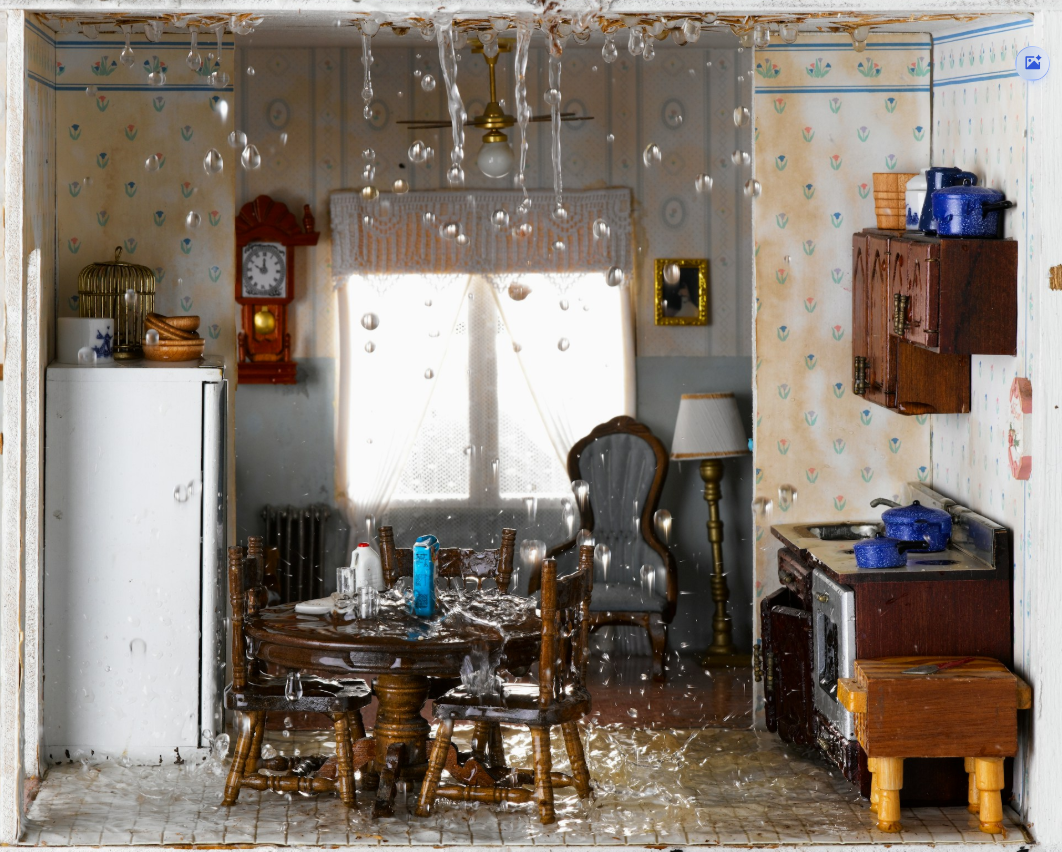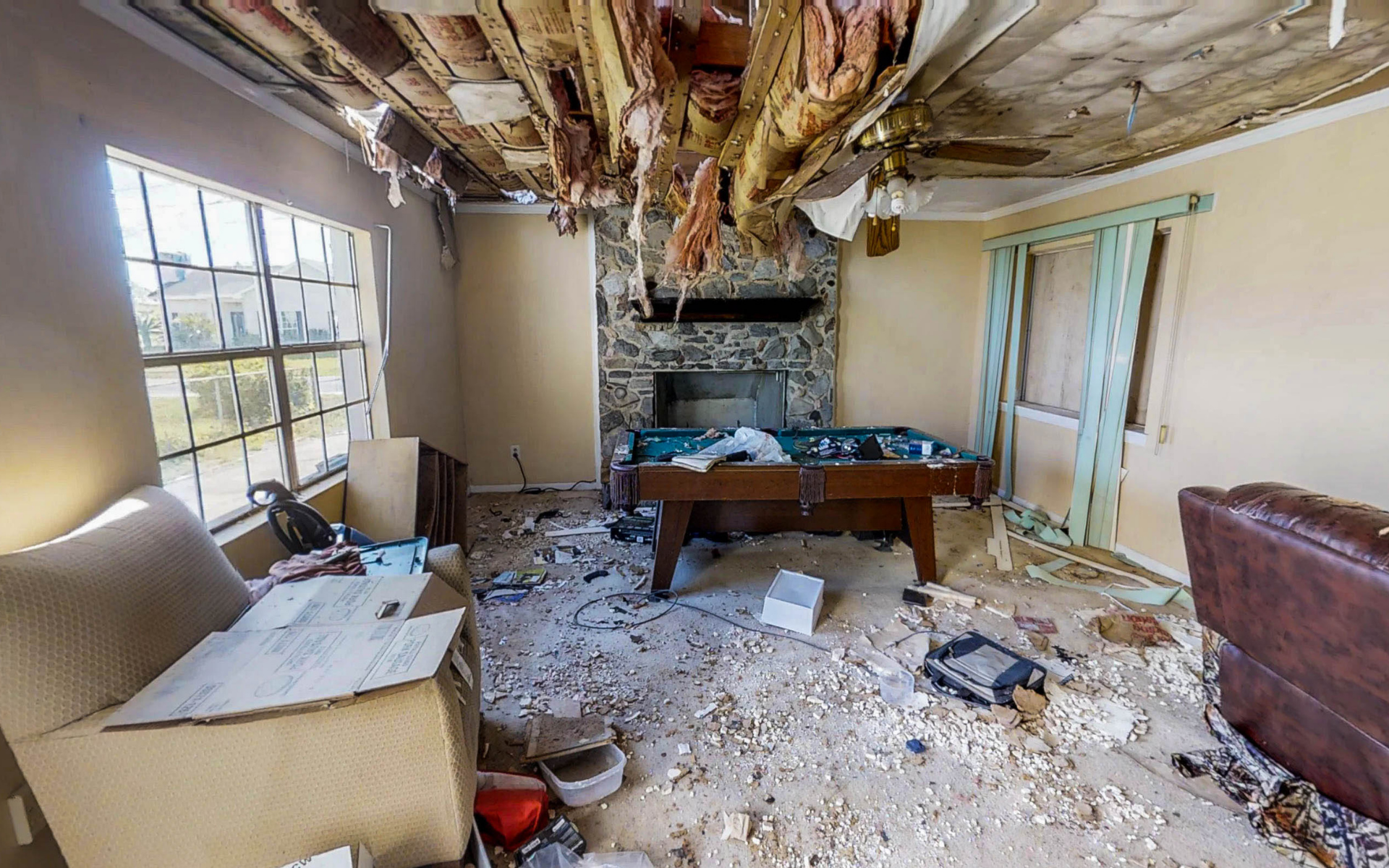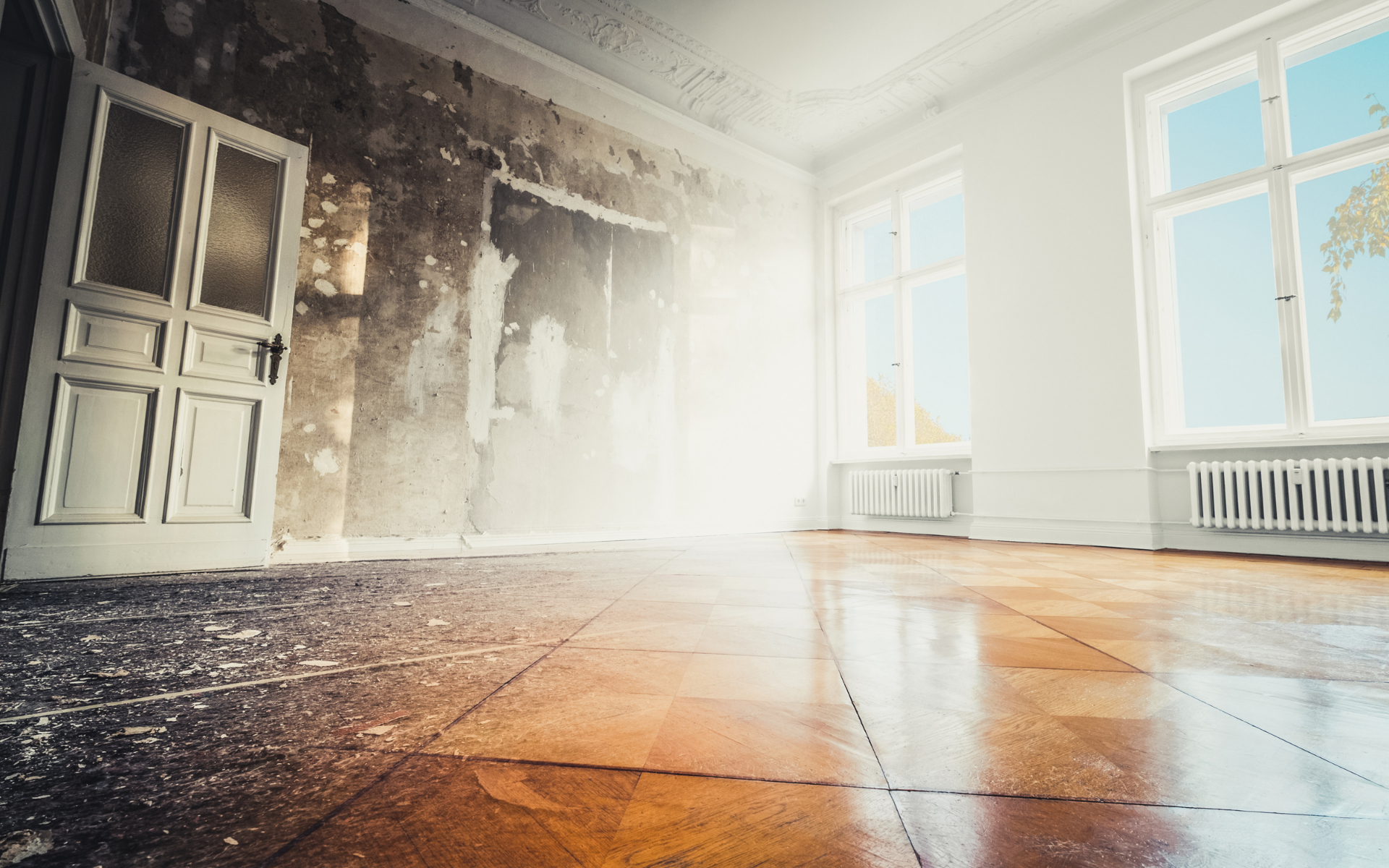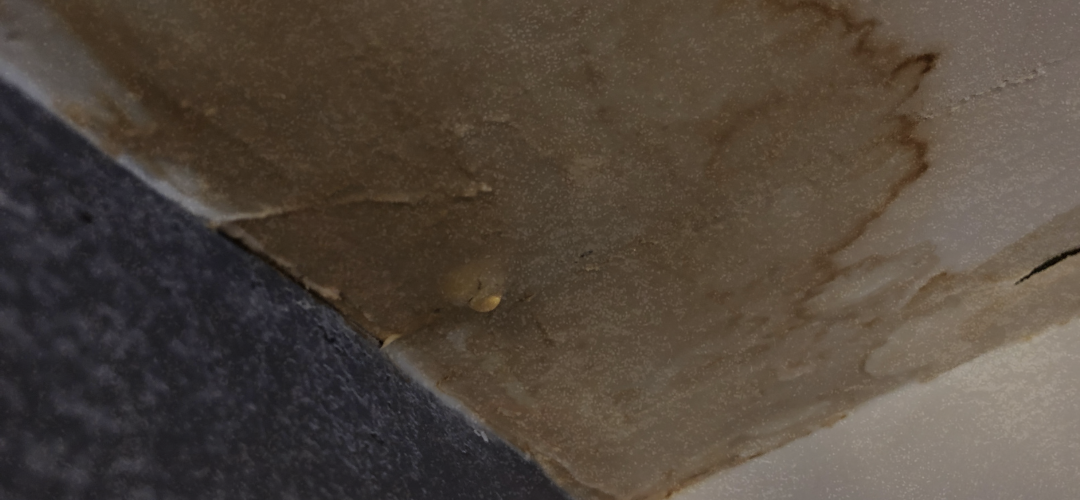
Washing machine leak water damage often starts small and ends large. A loose hose drips behind the machine, and no one notices for days. The team at Contents Restoration Services sees this in Fort Mill homes every season. This guide covers the washer, dishwasher, water heater, and refrigerator, so you can spot trouble early and act fast.
Table of Contents
Why Do Appliance Leaks Cause So Much Damage?
Appliance leaks cause heavy damage because they are connected to your water supply. They keep running until someone shuts them off. Many sit in closets, garages, or behind cabinets, so a slow leak can go unseen for weeks.
Water then soaks into flooring and walls. It seeps through to the subfloor and spreads sideways. Picture a sponge sitting in a tray. It holds more water than you would guess.
Fall adds to the risk. Families run more laundry and dishes during the holidays. Water heaters also work harder as temperatures drop.
What Causes a Washing Machine Leak?
Most washer leaks come from a few parts:
- Supply hose failure. Rubber hoses crack and burst with age. A braided stainless hose lasts longer, but it still wears out.
- Worn door seals. Front-loading machines can leak around the door gasket.
- Clogged drain lines. Lint blocks the drain, and water backs up.
- Loose connections. Vibration slowly loosens fittings.
- An overfilled drum. Too much soap or too large a load can cause overflow.
How Does a Dishwasher Leak Under the Floor?
A dishwasher leak under floor materials often begins at the door seal, the pump, or the water inlet. Water drips down and pools below the unit. You may never see it.
Watch for these signs:
- Soft or spongy floor near the dishwasher
- Buckled laminate or lifted tile edges
- A musty odor in the kitchen
- Dark stains inside the cabinet under the sink
What Happens When a Water Heater Bursts?
Water heater burst damage can be sudden and severe. A tank can fail from rust, high pressure, or sediment buildup. It may release dozens of gallons at once.
Signs of an aging tank include:
- Rust-colored water
- Puddles near the base
- Rumbling or popping sounds
- A tank older than ten years
A drip pan under the heater catches small leaks. It does not stop a full tank failure. If the tank bursts, shut off the water and the power at once. Then call a plumber to stop the source, and call a restoration team so drying can begin before moisture reaches the walls. Fast drying keeps the damage from reaching cabinets, drywall, and framing.
What About a Refrigerator Line Leak?
A refrigerator line leak is easy to miss. The small tube behind the unit feeds the water dispenser and the ice maker. A kink or crack lets water drip for months.
Ice maker line water damage often hides behind the fridge and under the flooring. Look for:
- Wet spots on the floor when you move the refrigerator
- Warped baseboards near the kitchen wall
- A slow leak sound near the back panel
- Ice that tastes stale or off
How Do You Spot a Slow Leak Early?
A slow leak gives small warnings. Check your home each month:
- Look behind and under each appliance. Check for moisture or rust rings.
- Press the floor gently. Soft spots mean trapped water.
- Smell for mustiness. Damp materials give off a stale odor.
- Read your water meter. Turn off all fixtures and see if it still moves.
- Check hoses. Look for cracks, bulges, or rust at the fittings.
What Should You Do When an Appliance Leaks?
Act in this order:
- Turn off the water. Close the valve behind the appliance or the main shut-off valve.
- Unplug the appliance. Do this only if the cord and outlet are dry.
- Remove standing water. Use towels or a wet-rated vacuum.
- Move items out of the way. Lift rugs, boxes, and furniture.
- Take photos and video. Capture the appliance, the water, and every damaged area.
- Call a restoration team. Contents Restoration Services will find hidden moisture and begin drying.
How Do You File an Appliance Leak Insurance Claim?
An appliance leak insurance claim goes smoother with good records. Policies differ, so read yours and ask your agent about sudden versus gradual leaks.
Gather these items:
- Photos and video taken before cleanup
- The appliance brand, model, and age
- Receipts for any emergency repairs
- A written drying report from your restoration company
Can Subfloor Damage Be Repaired?
Yes, in most cases. Subfloor damage appears when wet plywood swells and weakens. Dry plywood can often be saved. Rotted sections need to be replaced. If walls, cabinets, or flooring need to be rebuilt, reconstruction services can restore your home after the drying is complete.
Why Is Professional Drying Worth It?
Wet floors can look dry on top while the subfloor stays damp. Restoration crews use moisture meters to find water you cannot see. They place air movers and dehumidifiers where they are needed. Daily readings show when the structure is truly dry. This stops mold before it starts.
How Can You Prevent Appliance Leaks This Fall?
A few steps lower your risk:
- Replace old rubber hoses with braided stainless hoses.
- Flush your water heater once a year.
- Install a drip pan and a leak sensor under key appliances.
- Leave a few inches of space behind machines so you can see hoses.
- Shut off the washer valves when you travel.
Protect Your Home Before the Next Leak
A small drip today can turn into a major repair. Check your appliances this week and fix weak points early. If water already reached your floors or walls, Contact Us Today. The experts at Contents Restoration Services will find the source, dry the structure, and guide you through each step.
Washing machine leak water damage does not fix itself, so call a Fort Mill restoration team at the first sign of trouble.