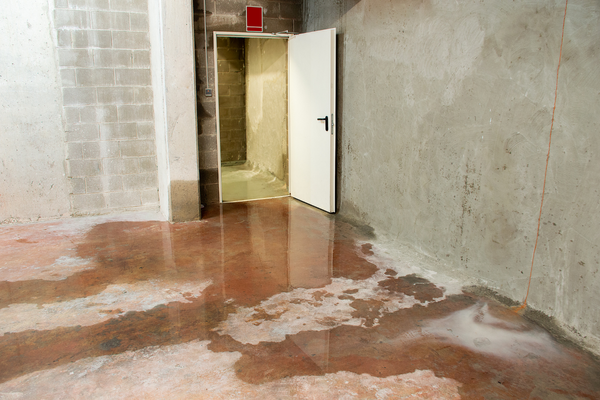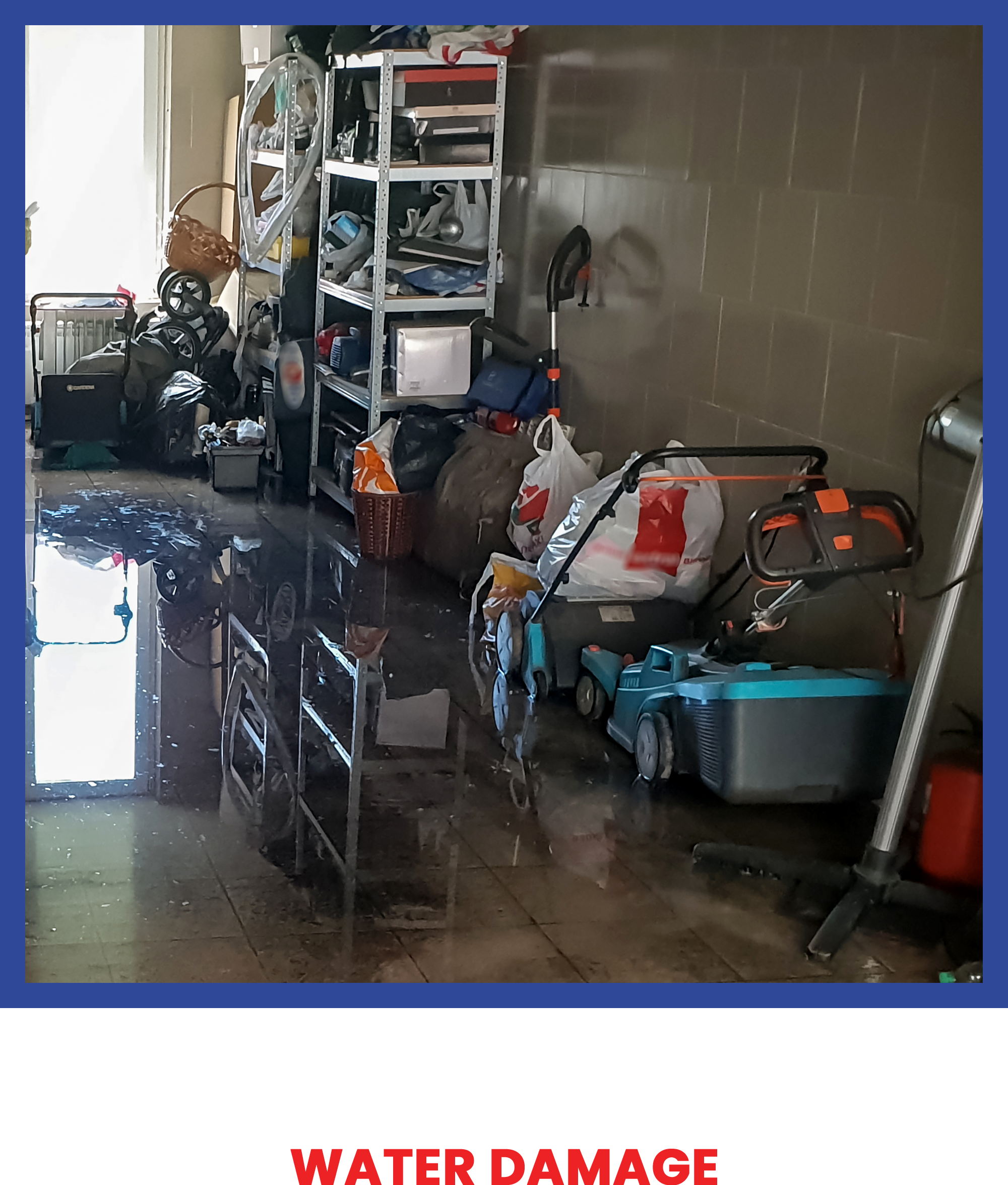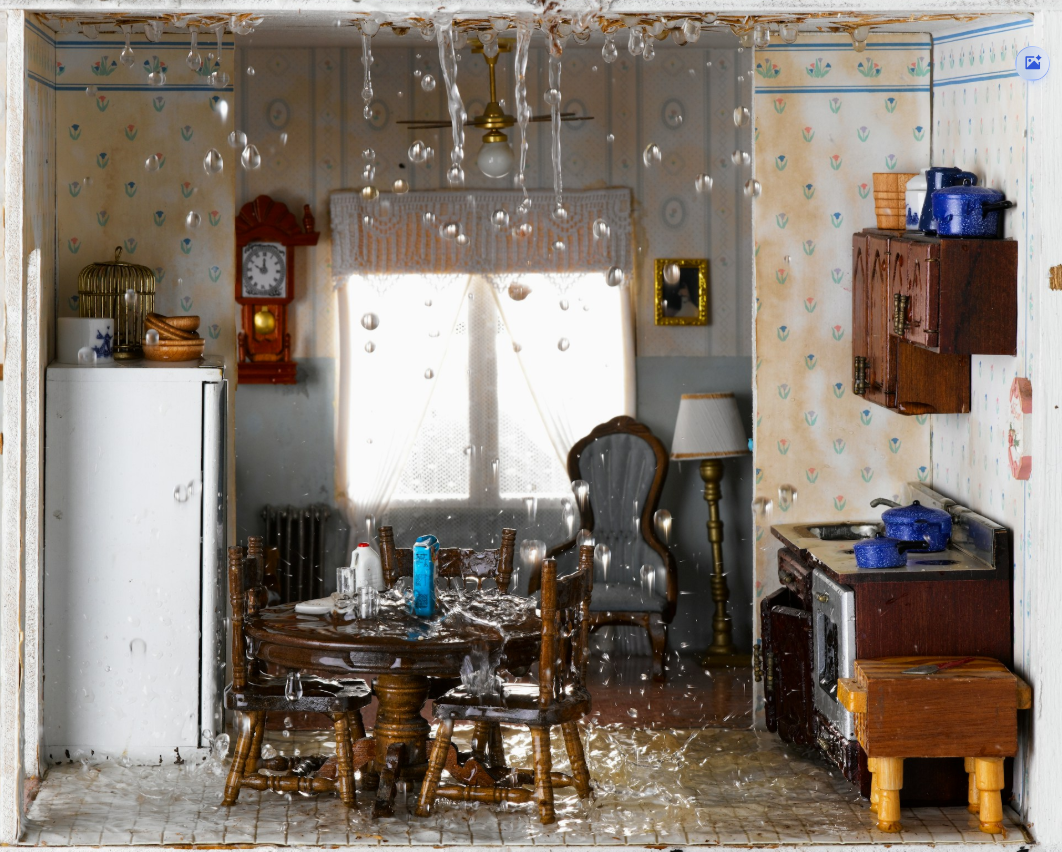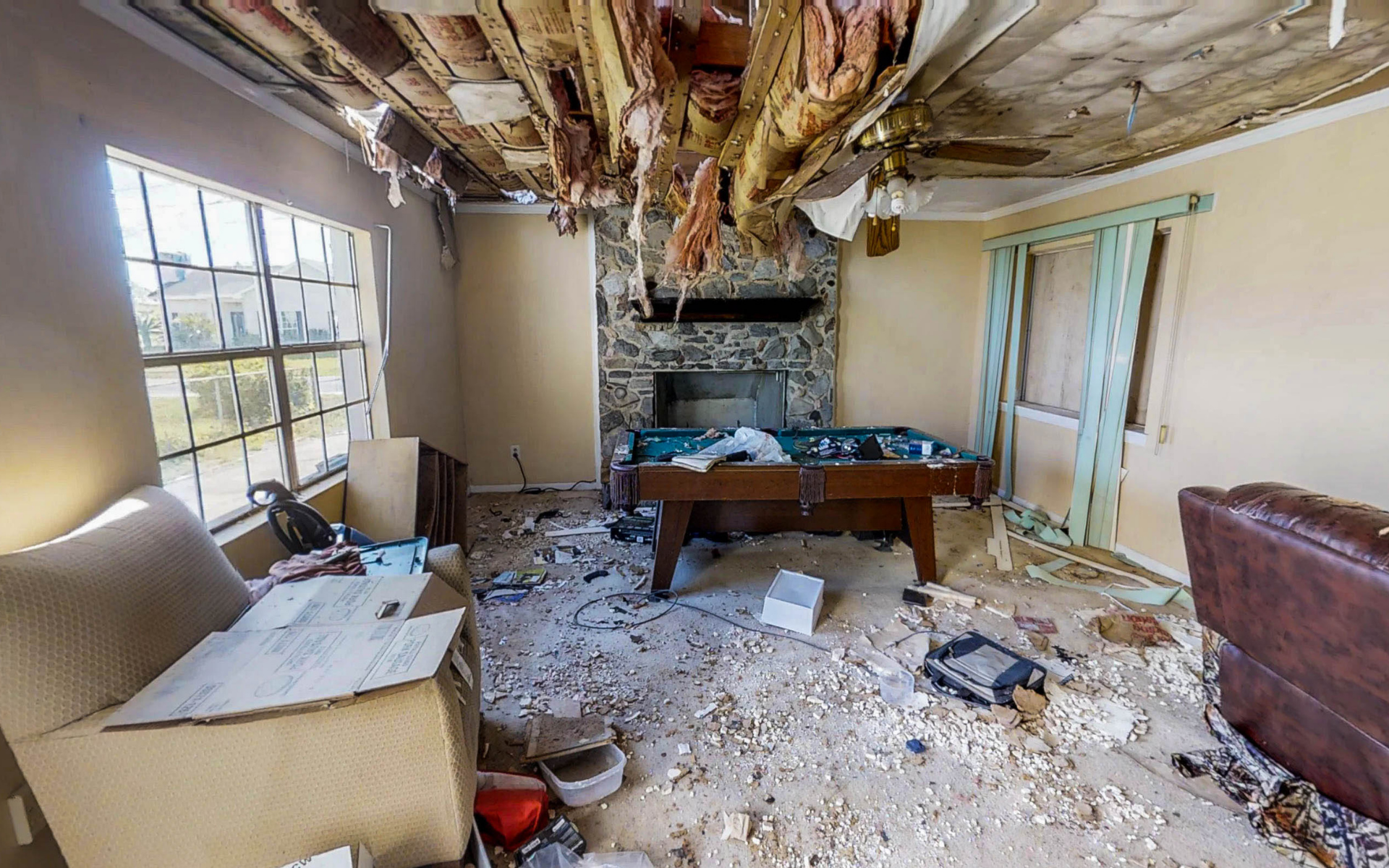
Can hardwood floors be saved after water damage? Often, yes, when drying begins within the first 48 hours. Contents Restoration Services helps Fort Mill homeowners check every floor type and decide what to dry, repair, or replace. Winter storms, frozen pipes, and leaking heaters send water across floors each season. This guide shows which floors recover and which do not.
Table of Contents
How Do You Know If Hardwood Floors Can Be Saved?
Speed and water type decide the outcome. Clean water from a supply line gives wood the strongest chance. Water that sits for days, or water from a sewer backup, lowers that chance. Check these five factors:
- Time: Drying should start within 48 hours.
- Water source: Clean, gray, or contaminated water.
- Depth: Surface water or water trapped under the boards.
- Board condition: Cupping, crowning, gaps, or lifting.
- Moisture level: Readings above the normal range for your home.
Wood absorbs water and swells. Two signs of this are cupping and crowning. Cupping curls the edges of a board upward. Crowning lifts the center of each board. Mild cases often flatten as the wood dries.
What Causes Cupping Hardwood Floors Water Damage?
Cupping hardwood floors water creates happens when the underside of a board holds more moisture than the top. The edges rise first. Do not sand a cupped floor right away. Sanding wet wood leaves a flat surface that later shrinks and opens gaps. Wait for moisture content equilibrium. This means the wood matches the normal humidity of your home. It can take several weeks.
How Does Professional Drying Save a Floor?
In-place drying removes moisture without tearing out the floor. Crews use a floor drying mat system that pulls water vapor out through the boards. The steps run in this order:
- Measure moisture in the boards and the subfloor.
- Remove baseboards so air can reach the board edges.
- Place the floor drying mat system over the wet area.
- Run dehumidifiers to lower moisture in the air.
- Record readings each day until the wood reaches equilibrium.
Water used to put out a fire can soak floors as well. Our fire damage restoration team uses the same drying methods after fire response.
What About Laminate, Tile, and Carpet?
Each material reacts to water in its own way. Use this quick guide:
- Laminate: Laminate flooring water damage repair has limits. The core is pressed fiber board. It swells and shows delamination, where the layers split apart. Swollen edges rarely return to shape, so most laminate needs replacement.
- Tile: Tile resists water well. Tile floor water damage under the surface is the real concern. Water can sit beneath tile, in grout lines, and in the subfloor. We lift a few tiles to check.
- Carpet: Should you handle carpet after flooding replace or clean? Clean water caught within a day often allows cleaning and drying. The pad is usually replaced. Contaminated water means new carpet and new pad.
- Vinyl plank: Water slips under the seams. The planks can be lifted, dried, and reset when they are not warped.
Does the Subfloor Need Repair?
Subfloor water damage repair matters as much as the surface above it. Wet plywood holds moisture and grows mold. Watch for these signs:
- Soft or bouncy spots underfoot
- A musty odor
- Dark stains on the boards
- Squeaks that were not there before
A sound subfloor can be dried in place. A rotted subfloor is cut out and replaced before new flooring goes down.
What Should You Do in the First 24 Hours?
Fast action protects the wood. Follow these steps:
- Stop the water source.
- Remove standing water, rugs, and furniture.
- Keep the home at a normal indoor temperature. High heat can crack hardwood.
- Take photos of every damaged area for your insurance claim.
- Call a restoration team for moisture readings and drying.
Avoid walking on wet boards. Avoid using a household vacuum on water.
How Long Does Floor Drying Take?
Most floors need three to seven days of active drying. Thick hardwood and floors with a wet subfloor take longer. Drying too fast can crack boards, so crews watch the readings each day and adjust the equipment. After the drying stage, the wood rests while it settles to the home’s normal humidity. Only then can you judge whether sanding or refinishing is needed.
When Is Replacement the Better Choice?
Some floors cannot be saved. Replacement is the safer choice in these cases:
- The boards stayed wet for more than a week.
- The water was contaminated by sewage or floodwater.
- Boards have split, crumbled, or turned black with mold.
- Cupping stays severe after the wood has dried.
- The subfloor underneath has rotted.
Replacing a damaged section is often possible. A skilled installer can blend new boards into the old floor, so you do not always need to replace the whole room.
Can You Refinish Hardwood After Drying?
Often, yes. Once the boards settle, a sander can remove surface stains and light cupping marks. A fresh finish then seals the wood. Test a small area first. Floors that dried well usually accept stain and sealer the same way as before. Plan this step only after your technician confirms stable moisture readings.
Why Does Winter Raise the Risk?
Cold months bring frozen pipes, ice dams, and heavy rain. Closed windows trap damp air inside the home. Wet floors dry slower in cool, humid rooms. A quick call matters in November and December. Early drying keeps mold from starting and keeps more of your original floor.
Why Choose Contents Restoration Services?
Contents Restoration Services serves Fort Mill, York County, and nearby Charlotte neighborhoods. We measure moisture, explain what we find, and dry floors with proven equipment. We tell you plainly when a floor can stay and when it must go.
Can hardwood floors be saved after water damage? Many can, but only when drying starts early. Wet floors in a cold, damp season invite mold and warping. Contact Us Today and let our crew inspect your floors before the damage spreads.