Plumbing emergencies strike without warning and can turn a quiet evening into a stressful scramble. Knowing the warning signs of plumbing emergencies gives Fort Mill, South Carolina homeowners a head start on protecting their property and their family. From burst pipes to sewer backups, Contents Restoration Services has seen how fast a small leak can grow into a major loss when it goes unnoticed. This guide walks through the plumbing emergencies that show up most often in local homes and what to do the moment one happens.
Table of Contents
Why Plumbing Emergencies Deserve Quick Attention
Water moves fast, and so does damage. A pipe that bursts overnight can soak flooring, drywall, and framing before anyone wakes up. Cooler nights during the fall and winter months raise the risk of frozen and burst pipes across the Fort Mill area, making this a good time for homeowners to review their plumbing systems before temperatures drop further.
A fast response limits the damage. A slow one often leads to mold, structural harm, and higher repair costs. Recognizing the signs early gives you the chance to act before a situation grows out of control.
1. Burst Pipes
A burst pipe ranks among the most damaging plumbing emergencies a home can face. Cold snaps cause water inside pipes to freeze and expand, and the pressure can split the pipe wall.
Watch for these warning signs:
- Sudden drops in water pressure
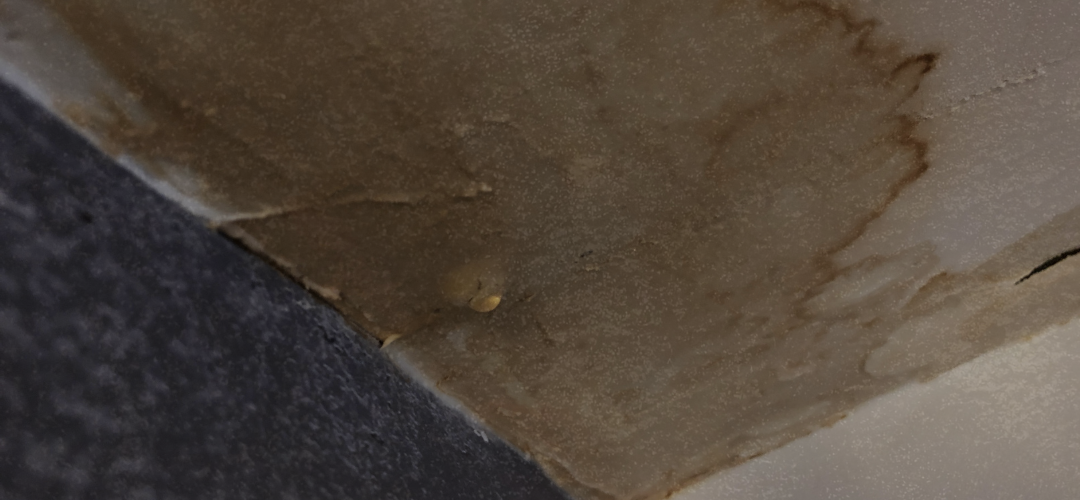
- Wet spots on walls, ceilings, or floors
- A hissing or dripping sound inside walls
- A spike in your water bill without a clear cause
If a pipe bursts, shut off the main water valve right away. Turning off the water supply first can lower the amount of standing water your home takes on.
2. Sewer Backups
A sewer backup pushes wastewater back into your home through drains, toilets, and floor drains. This creates a health hazard along with property damage, since sewage carries bacteria and other contaminants.
Common causes include:
- Tree roots growing into sewer lines
- Grease and debris buildup inside pipes
- Heavy rain overloading the municipal sewer system
- Aging or cracked sewer pipes
If wastewater backs up into your home, avoid using sinks, toilets, or the washing machine until the line is cleared. Standing sewage calls for a trained cleanup crew, since it holds bacteria that plain cleaning products cannot fully remove.
3. Overflowing Toilets
An overflowing toilet seems minor at first glance, but it can release a large volume of water in a short span. A clogged line, a broken fill valve, or a blocked sewer connection can all trigger an overflow.
Steps to take when a toilet overflows:
- Shut off the water valve behind the toilet.
- Remove standing water with towels or a wet vacuum.
- Check for a clog using a plunger, if the water is clean.
- Call a plumber if the overflow keeps happening or the water carries waste.
Repeated overflows often point to a deeper blockage further down the line, one that a simple plunge will not fix.
4. Gas Leaks
A gas leak is a serious plumbing emergency that calls for immediate action. Natural gas lines run alongside water lines in many homes, and a leak can appear on its own or alongside pipe damage from a burst or shift in the foundation.
Signs of a gas leak include:
- A rotten egg smell inside or near your home
- A hissing sound near a gas line or appliance
- Dead patches of grass near underground lines
- Nausea, dizziness, or headaches among household members
If you suspect a gas leak, leave the home right away and call your gas provider or emergency services from outside. Do not flip light switches or use anything that could create a spark.
What to Do While You Wait for Help
A calm, organized response can lower the damage from any plumbing emergency. Keep these steps in mind:
- Shut off the water or gas supply at the main valve as soon as you notice a problem.
- Move furniture and valuables away from standing water.
- Take photos of the damage for insurance records.
- Open windows for airflow if water damage is present, unless a gas leak is suspected.
- Call a trained restoration team once the immediate danger has passed.
Prompt action protects both your safety and the structure of your home. The emergency plumbing response team at Contents Restoration Services works with homeowners across Fort Mill to manage water damage before it spreads further into walls and flooring.
Preparing Your Fort Mill Home Before the Next Season
A little preparation goes a long way. Homeowners in Fort Mill can lower their risk of plumbing emergencies by taking a few simple steps before colder weather sets in:
- Insulate exposed pipes in crawl spaces, attics, and garages.
- Disconnect and drain outdoor hoses before the first freeze.
- Locate your main water shutoff valve and share it with everyone in the household.
- Schedule a plumbing inspection to catch weak spots before they fail.
These small tasks can save you from a much larger cleanup down the road.
Reach Out Before Small Problems Grow
Plumbing emergencies rarely wait for a convenient time, and the damage they leave behind can spread fast through floors, walls, and belongings. Knowing the signs of burst pipes, sewer backups, overflowing toilets, and gas leaks gives you the tools to act with confidence the moment trouble starts.
If your Fort Mill home has taken on water damage from a plumbing emergency, reach out today to a team trained in fast, careful cleanup. Contents Restoration Services stands ready to help homeowners recover from plumbing emergencies and restore their property with care.