Mold does not need much to take hold. A damp corner, a slow leak, or a stretch of humid weather gives it everything it needs to spread across walls, flooring, and belongings. Mold removal in Fort Mill, SC deals with this reality often, since the region’s climate and storm patterns create conditions mold growth depends on throughout the year.
South Carolina summers bring heat and heavy humidity, and that combination sits at the center of most mold problems homeowners face. Knowing the leading causes of mold gives Fort Mill property owners a clear path toward catching problems early and keeping their homes dry.
Table of Contents
Why Mold Grows So Easily in Fort Mill Homes
Mold spores exist almost everywhere, indoors and outdoors alike. They only need moisture, warmth, and a surface to feed on to grow into a visible colony. Fort Mill’s climate supplies two of those three conditions for a large part of the year, which makes prevention the strongest defense against an infestation.
The Leading Causes of Mold Growth
1. High Indoor Humidity
South Carolina summers push outdoor humidity levels high, and that moisture works its way into homes through open doors, windows, and gaps around siding. Indoor humidity above 60 percent creates conditions mold needs to grow, especially in:
- Bathrooms without proper exhaust fans
- Basements and crawl spaces
- Closets built against exterior walls
- Laundry rooms with poor airflow
A simple humidity monitor can flag a problem area before mold becomes visible.
2. Plumbing and Roof Leaks
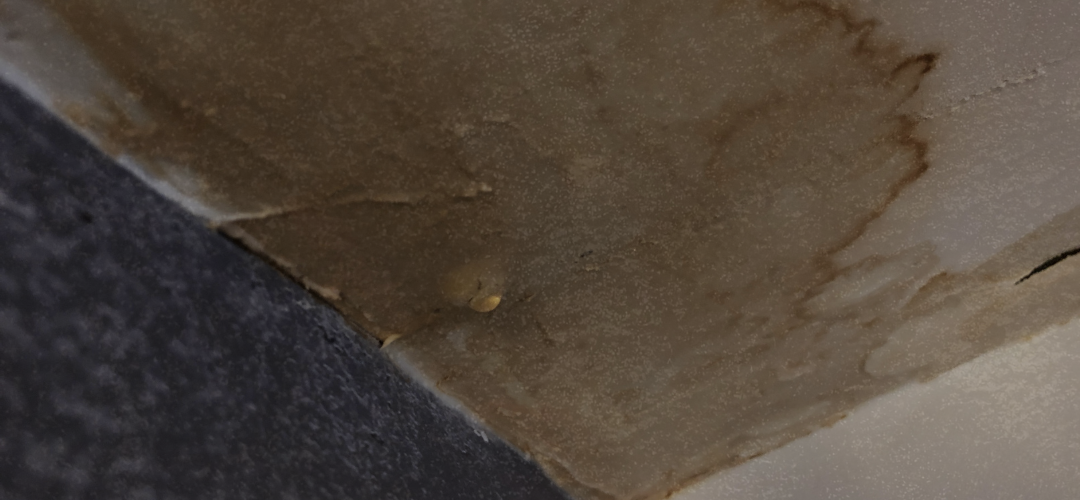
A slow leak often goes unnoticed for weeks, sitting behind walls or under flooring while mold quietly spreads. Common leak sources include:
- Aging or corroded pipes
- Loose connections under sinks
- Roof damage from storms or age
- Window and door seals that have worn down
Even a small leak, left alone, gives mold enough moisture to establish a colony within two days.
3. Poor Ventilation
Homes built with tight insulation and sealed windows hold moisture inside rather than letting it escape. Rooms with limited airflow tend to develop mold first, particularly:
- Attics without adequate venting
- Bathrooms lacking exhaust fans
- Kitchens without range hood ventilation
- Rooms with furniture pressed against exterior walls
Better airflow moves moist air outside before it settles on cool surfaces and turns into condensation.
4. Storm-Related Water Damage
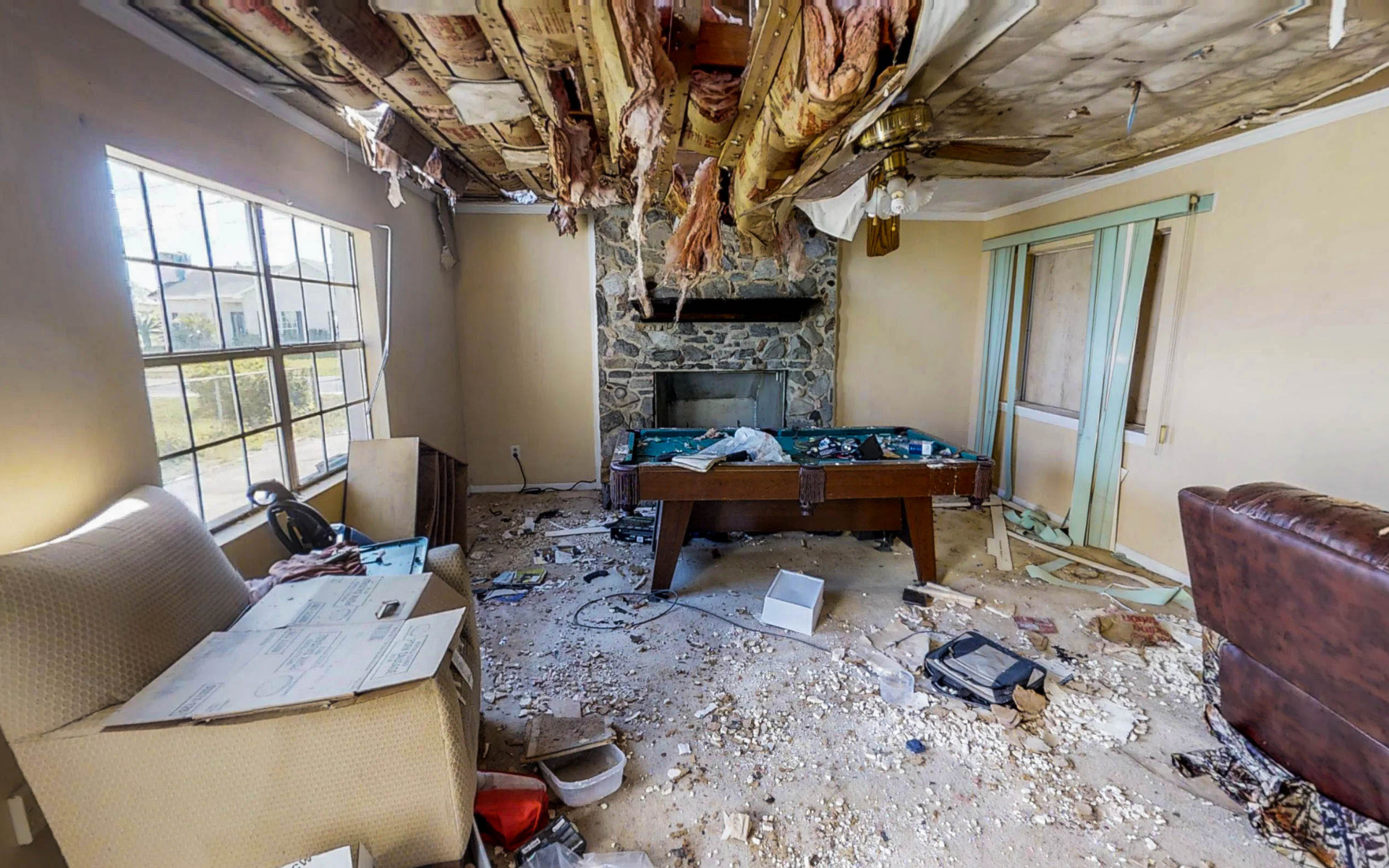
Fort Mill sits in a region that sees heavy rain and occasional flooding during hurricane season, which runs through the fall months. Storm damage introduces moisture in ways that catch homeowners off guard:
- Roof damage that allows rain to seep into attics and ceilings
- Flooding that saturates carpet, drywall, and baseboards
- Window damage that lets wind-driven rain into wall cavities
- Power outages that stop dehumidifiers and HVAC systems from running
Storm-related moisture often reaches areas a homeowner cannot see, which makes a full inspection worth scheduling after any significant weather event.
5. Condensation on Pipes and Windows
Cool surfaces meeting warm, humid air create condensation, and repeated condensation soaks into nearby materials over time. This shows up most on:
- Uninsulated pipes in crawl spaces
- Single-pane windows during humid months
- Air conditioning units without proper drainage
- Cold water lines running through warm areas of the home
Warning Signs Worth Watching For
Mold does not always announce itself with a visible patch on the wall. A few signs point to a hidden problem:
- A musty smell in a specific room or closet
- Discoloration on walls, ceilings, or grout lines
- Peeling paint or bubbling drywall
- Warped flooring near exterior walls
- Family members experiencing unexplained allergy symptoms indoors
Steps to Lower Mold Risk in Your Home
A few consistent habits reduce the chance of mold taking hold, even during the most humid months of the year.
- Run exhaust fans in bathrooms and kitchens during and after use.
- Check under sinks and around appliances for leaks on a regular schedule.
- Clean gutters before storm season to keep water moving away from the roofline.
- Keep indoor humidity below 50 percent with a dehumidifier where needed.
- Inspect the roof after major storms for missing or damaged sections.
- Move furniture a few inches away from exterior walls to allow airflow.
- Schedule a professional inspection after any flooding or major leak, since hidden moisture behind walls often needs specialized detection tools.
Why Fort Mill Homeowners Call in Professional Support
Small mold patches can sometimes be cleaned with household products, but hidden growth behind walls, under flooring, or inside HVAC systems calls for tools most homeowners do not have on hand. A professional inspection identifies the moisture source first, since treating visible mold without fixing the cause almost always leads to the problem returning.
Contents Restoration Services works with Fort Mill homeowners to find the moisture source behind mold growth, not just the mold itself. Local crews understand how the area’s humid summers and stormy fall season create repeat problems in homes across the region, and they bring the equipment needed to treat the cause along with the damage.
Protect Your Home Before Mold Takes Hold
Mold spreads fast once it finds the moisture it needs, and by the time it becomes visible, it has often already reached materials behind the surface. With humid summer weather and the fall storm season both bringing higher moisture into Fort Mill homes, catching the warning signs early makes a measurable difference in the cost of repairs and the health of everyone living in the home.
If your property shows signs of dampness, a musty smell, or visible growth, do not wait for the problem to spread. Get started today with a trained mold removal in Fort Mill, SC team ready to find the source, treat the damage, and help you protect your home for the seasons ahead. Explore mold removal options built around the specific conditions found in South Carolina homes.