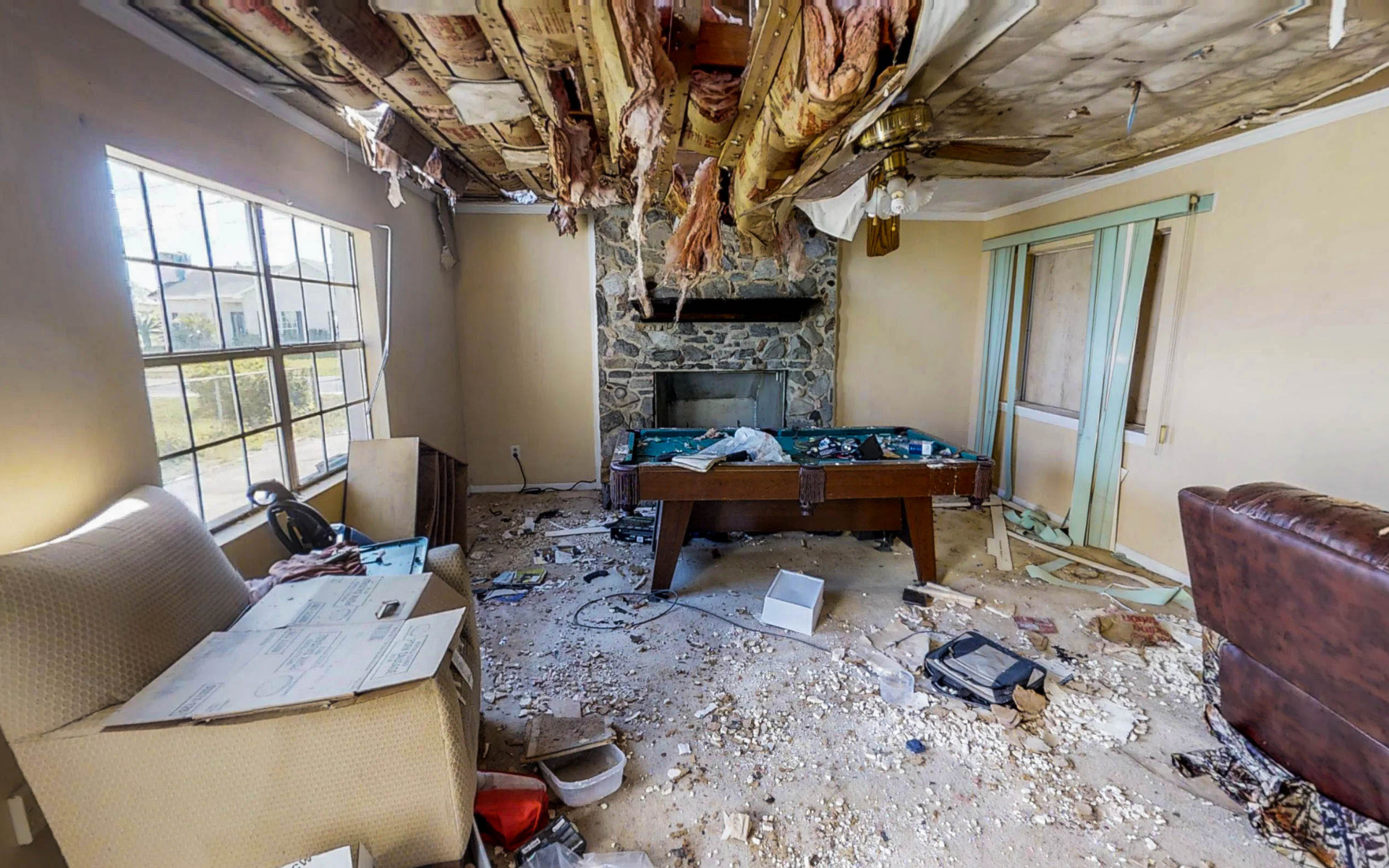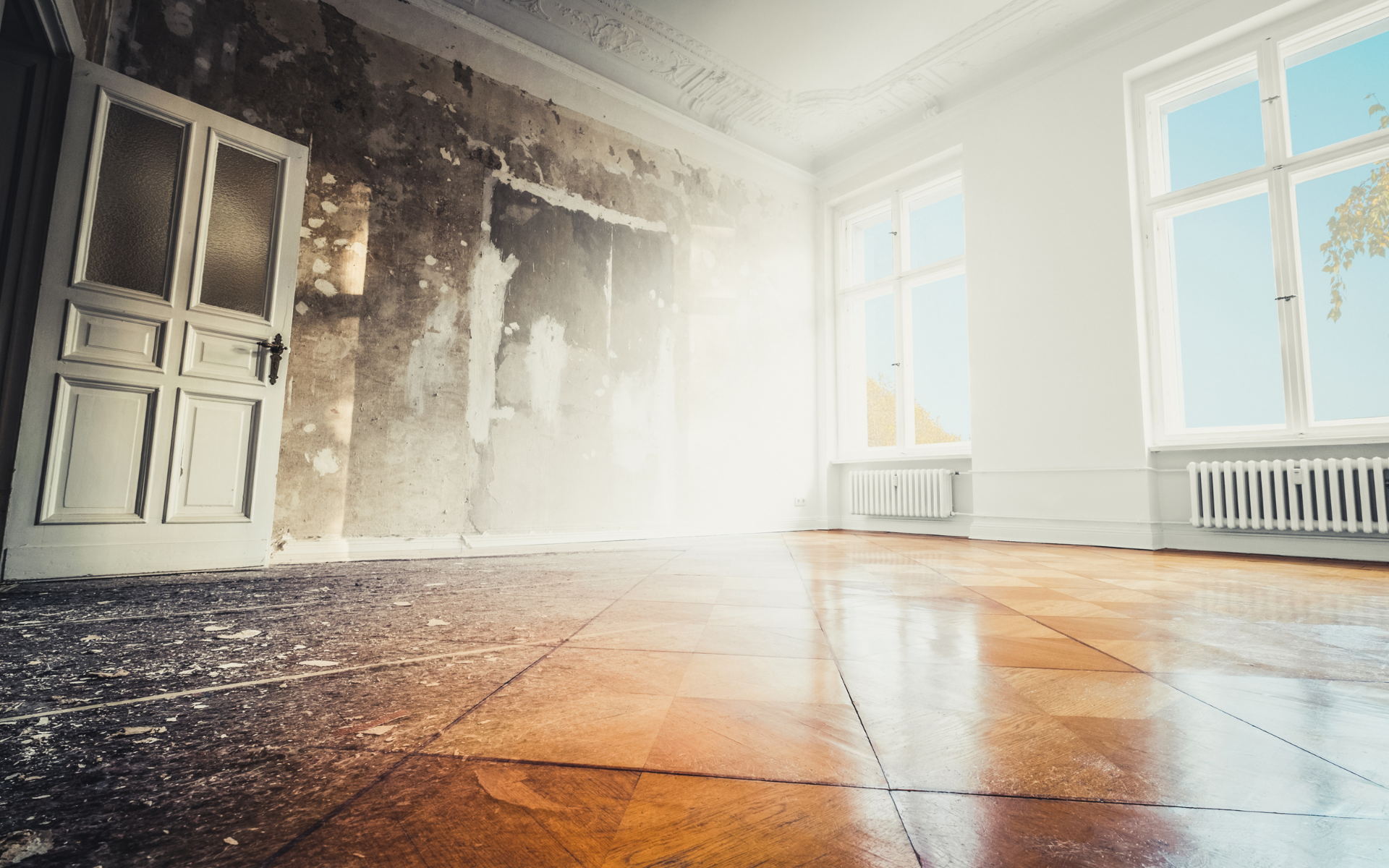
A house fire rarely leaves a single type of damage behind. Flames char what they touch, smoke spreads through rooms the fire never reached, soot settles into fabric and drywall, and the water used to put the fire out soaks into floors and walls. Fire damage restoration in Fort Mill, SC deals with all four problems at once, and each one calls for its own cleanup method.
As cooler weather approaches and Fort Mill households turn to space heaters, fireplaces, and holiday lighting, house fires become more common. Knowing what happens to a home after a fire, and why quick action matters, helps homeowners protect their family and their property before small hazards turn into lasting ones.
Table of Contents
The Hidden Layers of Fire Damage
Most people picture burned wood and charred furniture when they think about fire damage. The damage that causes the most long-term harm is often the part that is harder to see.
1. Smoke Damage
Smoke travels through a home fast, carried by heat and air currents into rooms far from the fire itself. It settles into:
- Carpet fibers and upholstery
- HVAC ducts and filters
- Wall cavities and insulation
- Clothing, curtains, and other fabric
Smoke carries a strong odor that can linger for months without treatment. It also leaves behind acidic residue that eats away at metal fixtures, electronics, and finished surfaces over time.
2. Soot Damage
Soot is the fine black residue left behind after combustion. It coats surfaces with a greasy film that spreads with a single touch, making cleanup difficult for anyone without the right training. Soot falls into a few categories:
- Dry soot, from fast-burning fires at high heat, which brushes away more easily
- Wet soot, from smoldering, low-oxygen fires, which smears and bonds to surfaces
- Protein residue, left after kitchen fires involving food, which carries a strong odor and a nearly invisible film
Each type calls for a different cleaning agent and technique. Using the wrong method can push soot deeper into a surface instead of removing it.
3. Water Damage from Firefighting Efforts
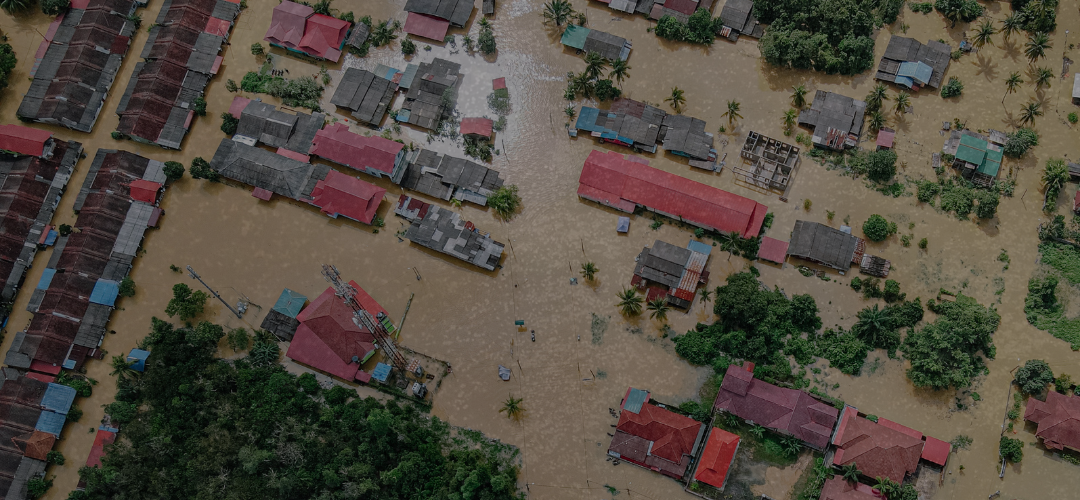
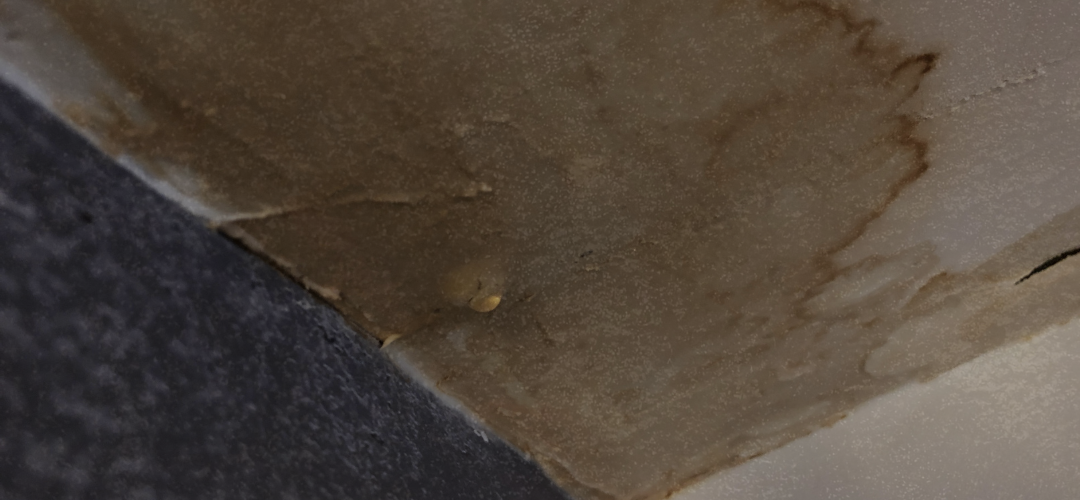
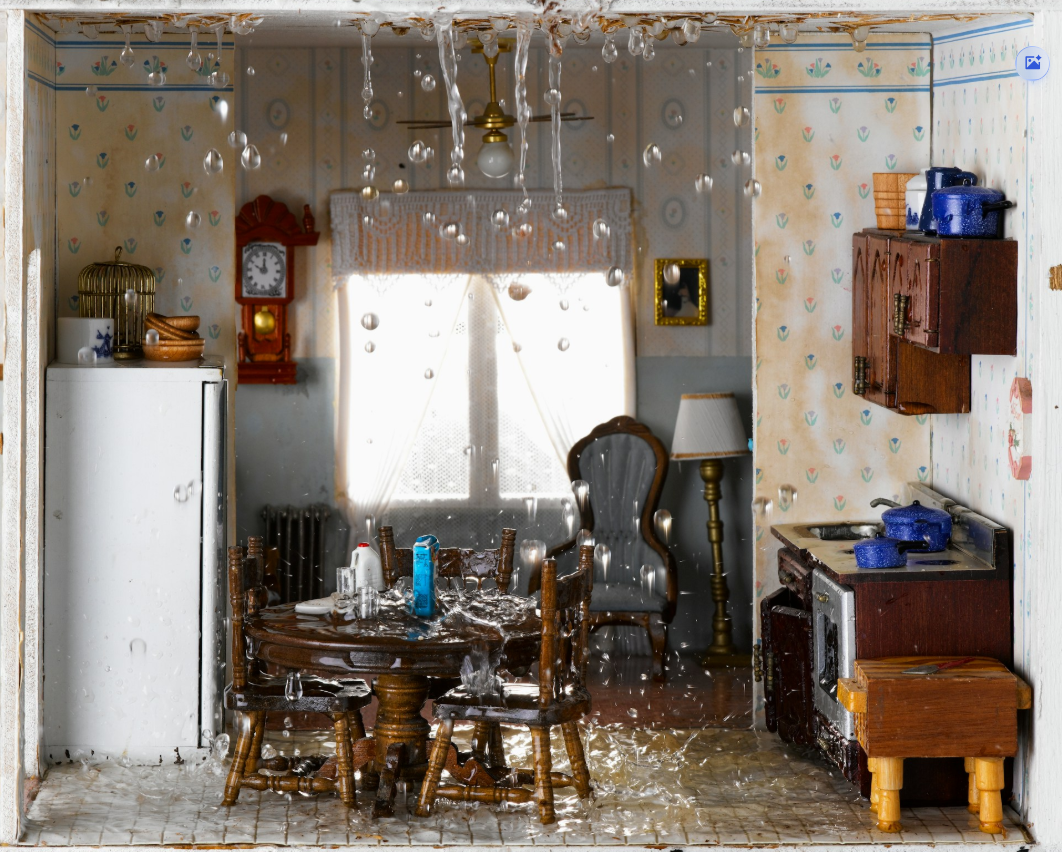
Putting out a fire takes gallons of water, and that water goes wherever gravity takes it. Ceilings, walls, subfloors, and basements often end up soaked even in rooms the fire never touched. Left standing, this water leads to:
- Warped flooring and swollen drywall
- Mold growth within 24 to 48 hours
- Weakened structural framing
- Electrical hazards in wet areas
4. Structural and Air Quality Hazards
Heat weakens wood, metal, and drywall even when the material does not burn all the way through. Combined with smoke particles still circulating in the air, a home can look intact while carrying hazards that affect breathing and safety for weeks after the fire is out.
Why Fast Cleanup Changes the Outcome
The timeline after a fire has a direct effect on what can be saved and what has to be replaced. A quick, organized response makes a measurable difference:
- Odor removal becomes easier the sooner it starts. Smoke smell bonds more permanently to porous materials the longer it sits.
- Mold risk drops sharply with fast water extraction. Standing water left more than two days almost always leads to mold growth.
- Soot spreads less when surfaces are treated early. Left alone, soot residue continues to damage finishes and electronics.
- Structural inspection catches hidden weaknesses. Charred framing or water-soaked supports need a professional check before anyone treats the space as safe.
- Personal belongings have a higher chance of recovery. Textiles, documents, and furniture treated quickly can often be cleaned rather than thrown away.
Steps to Take After a Fire
A calm, ordered approach protects your family and your belongings while cleanup gets underway.
- Wait for fire officials to confirm the home is safe to enter.
- Open windows if it is safe to do so, to help clear lingering smoke particles.
- Avoid touching soot-covered surfaces with bare hands, since it spreads and can irritate skin.
- Photograph every room for insurance documentation before any cleanup begins.
- Remove wet items from standing water where it is safe to do so.
- Turn off the HVAC system to stop smoke particles from moving through the ducts.
- Contact a trained fire damage restoration team as soon as possible to begin structural drying, soot removal, and odor treatment.
Why Fort Mill Families Choose Local Restoration Support
Every fire leaves a different pattern of smoke, soot, and water behind, shaped by the materials in the home, the length of the fire, and how firefighters worked to put it out. A trained crew tests air quality, checks moisture levels behind walls, and separates what can be cleaned from what needs to be replaced, instead of guessing at the scope of the damage.
Contents Restoration Services supports homeowners across Fort Mill through every stage of fire recovery, from the first walkthrough to the final odor treatment. Local crews understand how the fall and winter heating season raises fire risk in this region, and they respond with the equipment and protective steps each type of damage calls for.
Take Action Before Hidden Damage Becomes a Bigger Problem
A fire does its damage in minutes, but smoke, soot, and water keep working long after the flames are out. Odor sinks deeper into fabric with each passing day, standing water invites mold within 48 hours, and soot residue continues to break down surfaces left untreated. As the heating season brings a higher fire risk to homes across Fort Mill, a fast, informed response protects both your property and your family’s health.
If your home has been affected by fire, smoke, or the water used to extinguish it, do not wait to see how the damage plays out. Reach out today to a trained fire damage restoration in Fort Mill, SC team ready to assess every layer of damage and guide your home through a full recovery.