The choice between diy water damage restoration vs professional help comes down to how much water entered your home and how long it has been there. A small spill on a hard floor is a weekend task. A soaked wall or carpet is a different job. The team at Contents Restoration Services helps Fort Mill homeowners make this call every week. This guide shows where the line sits, so you can act with confidence.
Table of Contents
Can I Dry Out Water Damage Myself?
Yes, but only in limited cases. You can dry out water damage yourself when the water is clean, the area is small, and you act within a few hours. A dripping faucet, a small spill, or a damp rug fits this group.
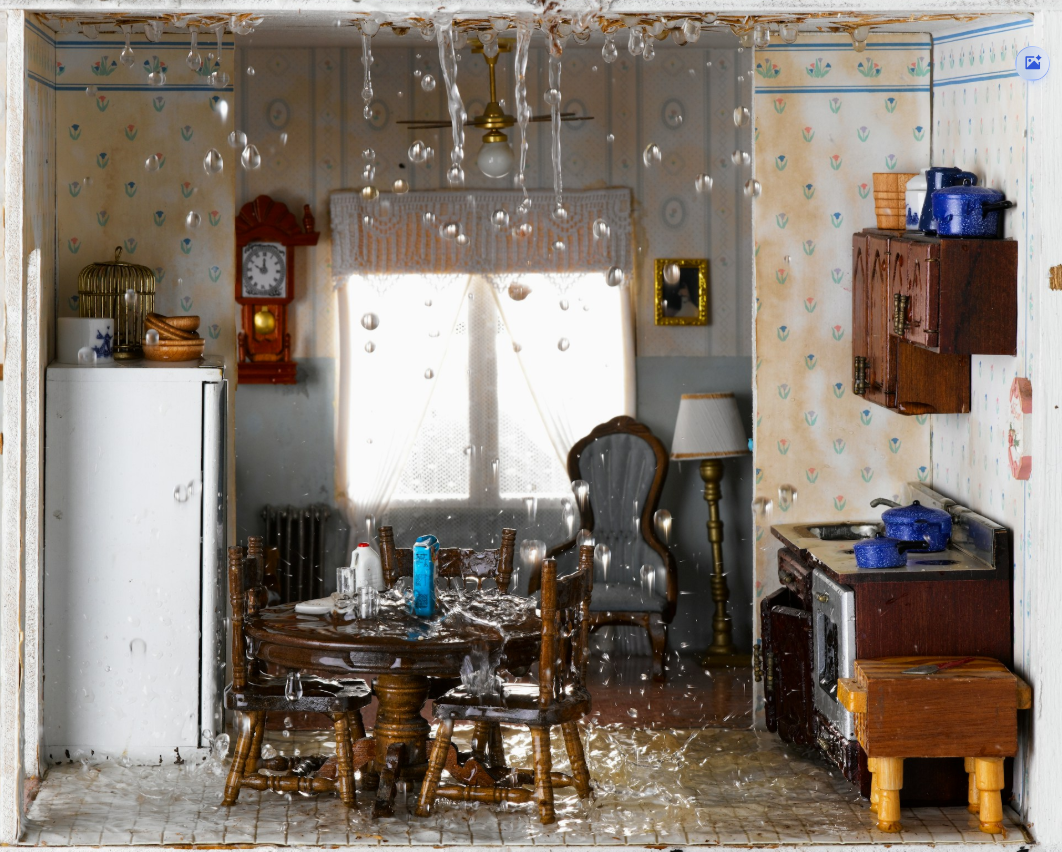
Water that is dirty, deep, or older than a day needs a professional. Hidden moisture inside walls and floors is the main reason. You cannot see it, and it keeps spreading.
When Is DIY Cleanup a Safe Choice?
DIY works when all of these are true:
- The water is clean. It came from a supply line, a sink, or rain through a closed window.
- The area is small. The wet space is limited to one room corner or a few square feet.
- Only hard surfaces are wet. Tile, sealed concrete, and vinyl dry well.
- You found it quickly. Cleanup began within a few hours.
- No electrical items are near the water.
If even one item is missing, pause and read the next section.
When to Call a Water Damage Company
Knowing when to call a water damage company can save your home. Call a professional if you see any of these:
- Sewage or storm water. This water carries bacteria and is unsafe to handle.
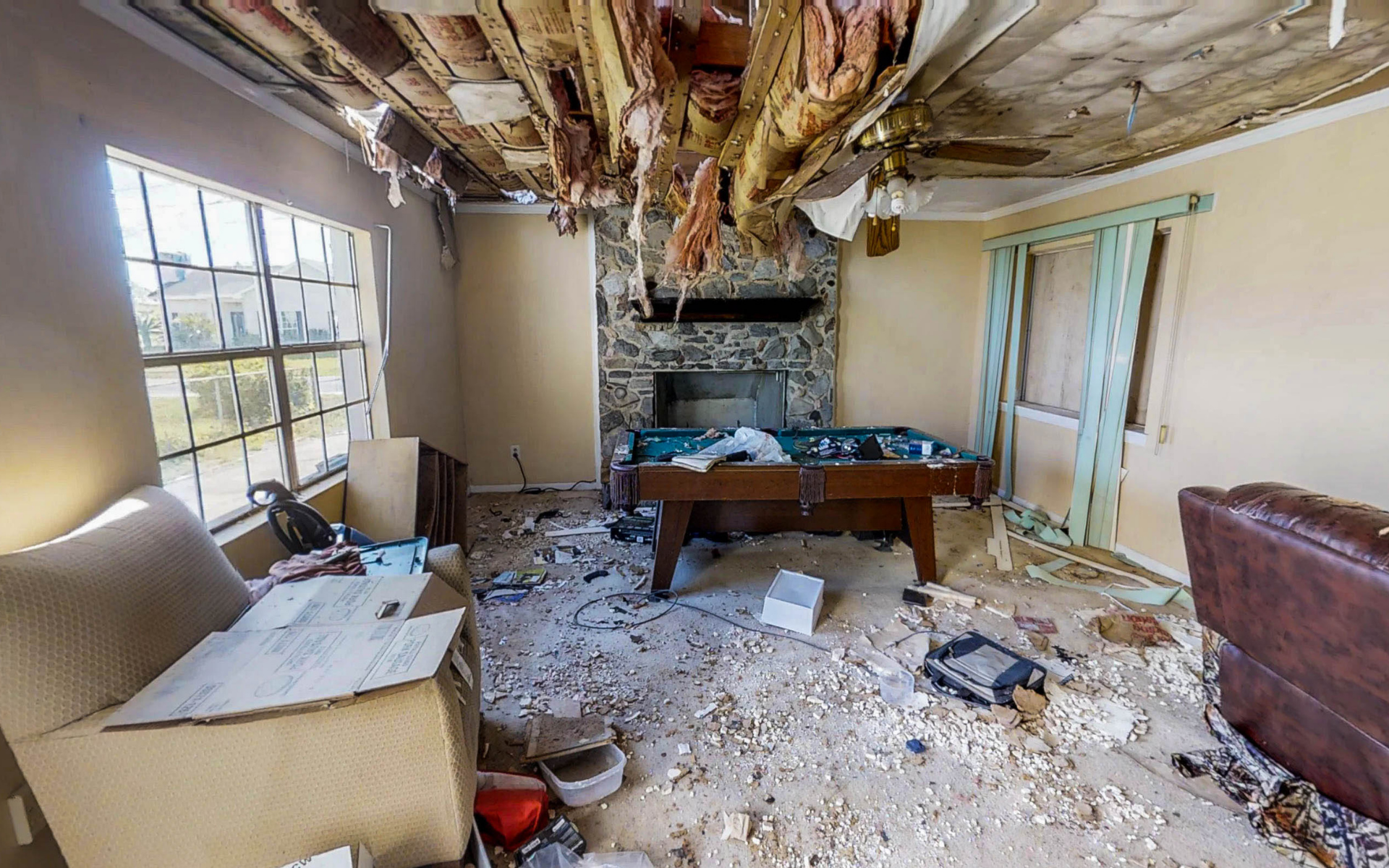
- Wet drywall, insulation, or carpet padding. These soak up water and hold it.
- Water that has sat for more than 24 hours. The mould growth window opens quickly in warm, humid homes.
- A large area. More than one room usually exceeds what home tools can dry.
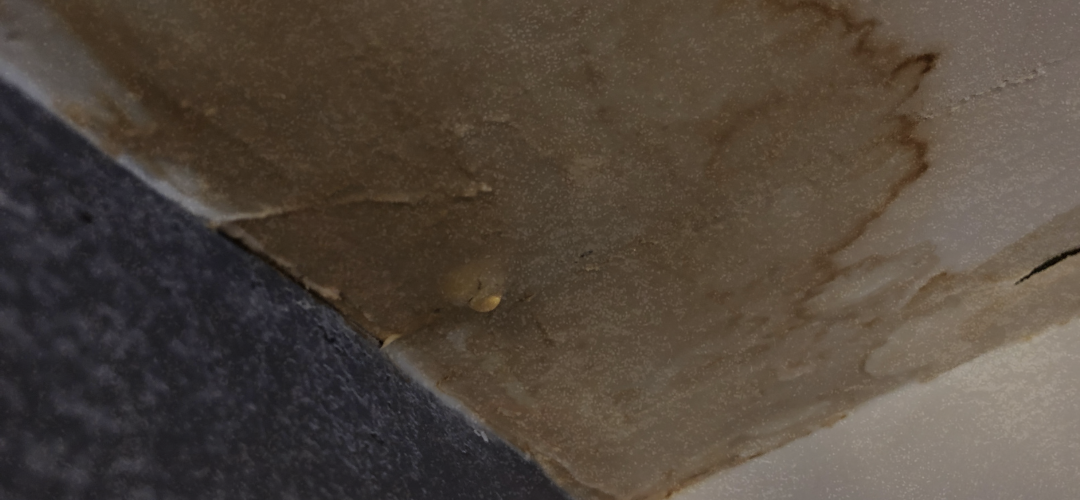
- A musty smell or dark spots. These point to growth already underway.
- Water near outlets or the breaker panel. This is an electrical hazard.
If a fire put out with water caused the damage, see our fire damage services. Smoke and water damage often need to be treated together.
What Are the Risks of DIY Flood Cleanup?
The risks of DIY flood cleanup are higher than most people expect. Common problems include:
- Missed moisture. Surfaces feel dry while the wall cavity stays wet.
- Secondary damage. Warped floors, rot, and stained walls appear weeks later.
- Mold growth. Mold can begin within 24 to 48 hours in damp spaces.
- Safety hazards. Contaminated water, slick floors, and live wiring cause injuries.
- Weak insurance records. Without proper insurance documentation, a claim may be harder to prove.
A hidden leak is like an iceberg. What you see is a small part of the problem.
Is a Shop Vac Enough for Water Damage?
A shop vac has a place, but it has limits. Shop vac water damage cleanup works for small amounts of clean water on hard floors. It removes surface water fast.
It cannot pull moisture out of wood, drywall, or subfloors. It also should not be used near wet outlets. Never use a household vacuum on standing water. Use a wet-rated unit only, and empty it often.
Renting a Dehumidifier vs Hiring Pros: Which Works Better?
Renting a dehumidifier vs hiring pros is a common question. A rented unit helps with light dampness. It struggles with a larger loss because of equipment capacity. One machine may not dry a whole room, let alone a wall cavity.
Compare the two options:
- Rental dehumidifier: Handles mild humidity and small areas.
- Professional equipment: Uses air movers, high-capacity dehumidifiers, and moisture meters.
- Rental: You guess when the area is dry.
- Professional crews: They take readings and record progress each day.
Those daily records also support your insurance documentation.
Why Does Fall Make This Decision Harder?
Fall brings rain, falling leaves, and cooler nights. Clogged gutters send water toward foundations. Windows stay closed, so damp air stays inside. Cold weather will also test your pipes soon.
Damp materials dry slowly in cool, humid air. A DIY job that seems finished may still hold moisture. Waiting for warm weather gives mold more time.
What Does a Professional Water Damage Process Include?
A trained crew follows clear steps:
- Inspect. Crews find the source and the full wet area.
- Extract. Powerful pumps remove standing water.
- Dry. Air movers and dehumidifiers pull out moisture.
- Monitor. Moisture readings confirm progress.
- Protect. If rooms need to be cleared, your belongings can be moved safely.
What Should You Do in the First Hour?
The first hour matters in either case. Take these steps while you decide:
- Stop the source. Close the main shut-off valve or fix the leak if it is safe.
- Turn off power to wet areas. Do this only if the panel is dry.
- Take photos and video. Capture every wet wall, floor, and item before you move anything.
- Lift small items off wet floors. Move rugs, books, and electronics to dry ground.
- Open windows only if the air outside is dry. Humid fall air can slow drying.
These steps cost nothing and help whichever path you choose.
Take the Next Step Today
Water damage does not wait. Every hour counts. If you are unsure whether you can handle it, ask an expert before the damage spreads.
Contact Us Today and the team at Contents Restoration Services will assess your home and tell you what it needs.
When you weigh diy water damage restoration vs professional care, remember that early action protects your home, your health, and your peace of mind.