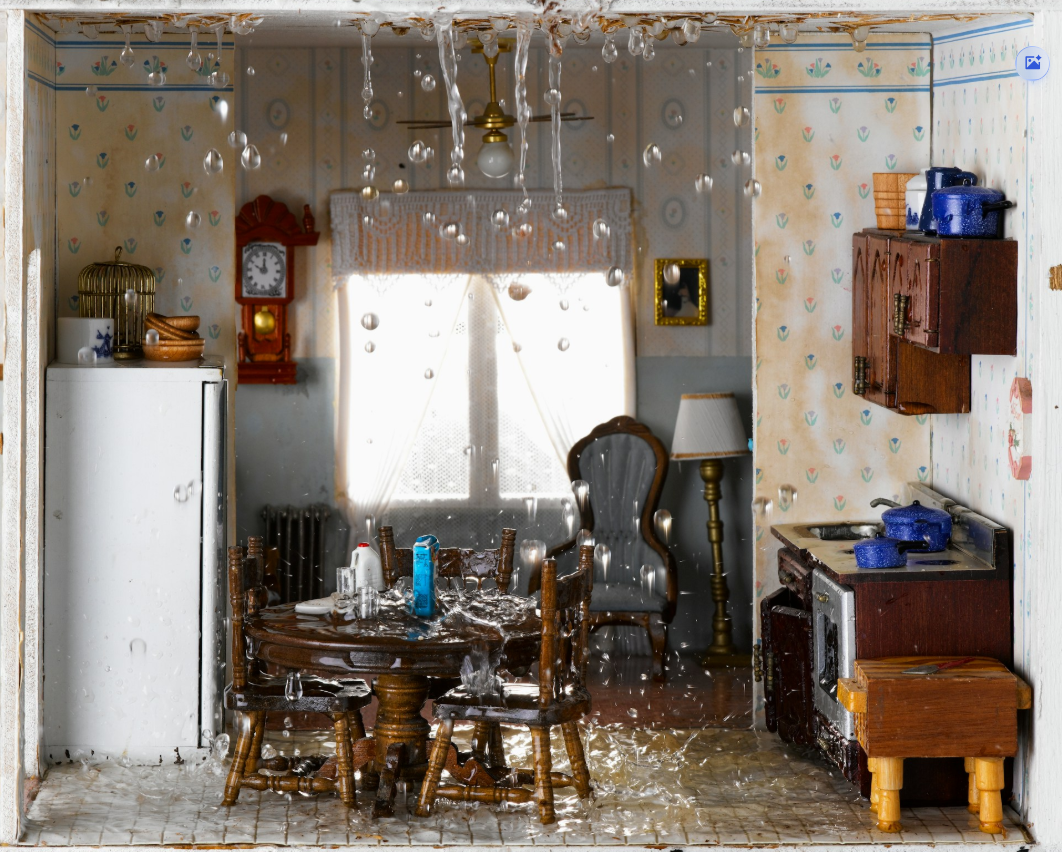
Knowing what to do after water damage in the first 24 hours often decides how much of your home and belongings you get to keep. A burst pipe, an overflowing appliance, or a storm-driven flood all set the same clock running, and every hour that passes without action gives standing water more time to spread into walls, flooring, and furniture.
Fort Mill sits in a region where heavy rain and storm activity continue through the fall months, which raises the odds of flooding for local homeowners. A clear plan for the hours right after water enters your home protects your family, your belongings, and your ability to file a strong insurance claim.
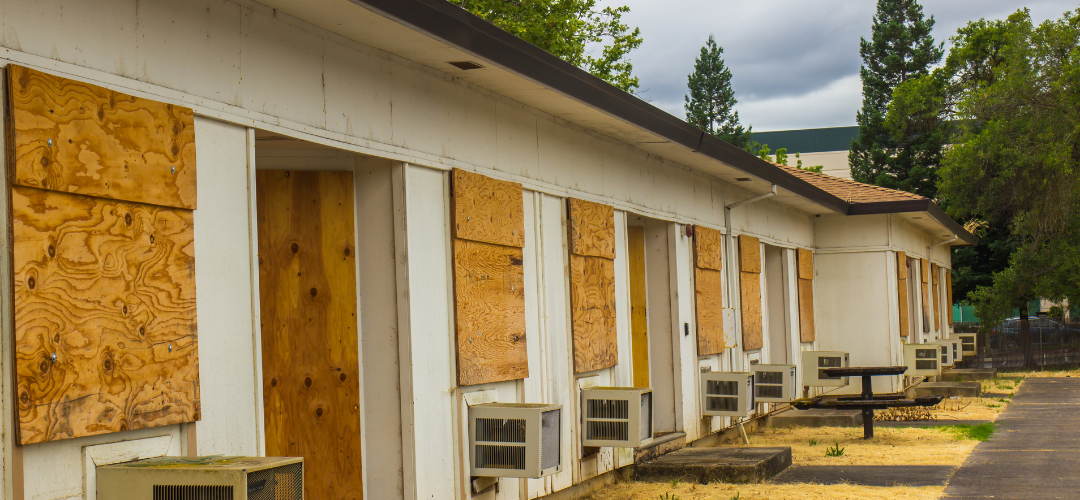
A damaged roof or a shattered window does more than let in rain. It opens a home to wind, pests, theft, and further structural harm with every hour it sits unprotected. Board and tarp-up services in Fort Mill, SC exist for exactly this moment, sealing off the damage fast enough to stop a bad situation from turning worse.
Fort Mill sits within a region that sees strong storms move through during hurricane season, which runs into the fall months. Knowing when a property needs emergency board-up or tarping, and why waiting carries real risk, helps homeowners protect their belongings and their structure the moment damage happens.
Table of Contents
How Quickly Does Water Damage Spread?
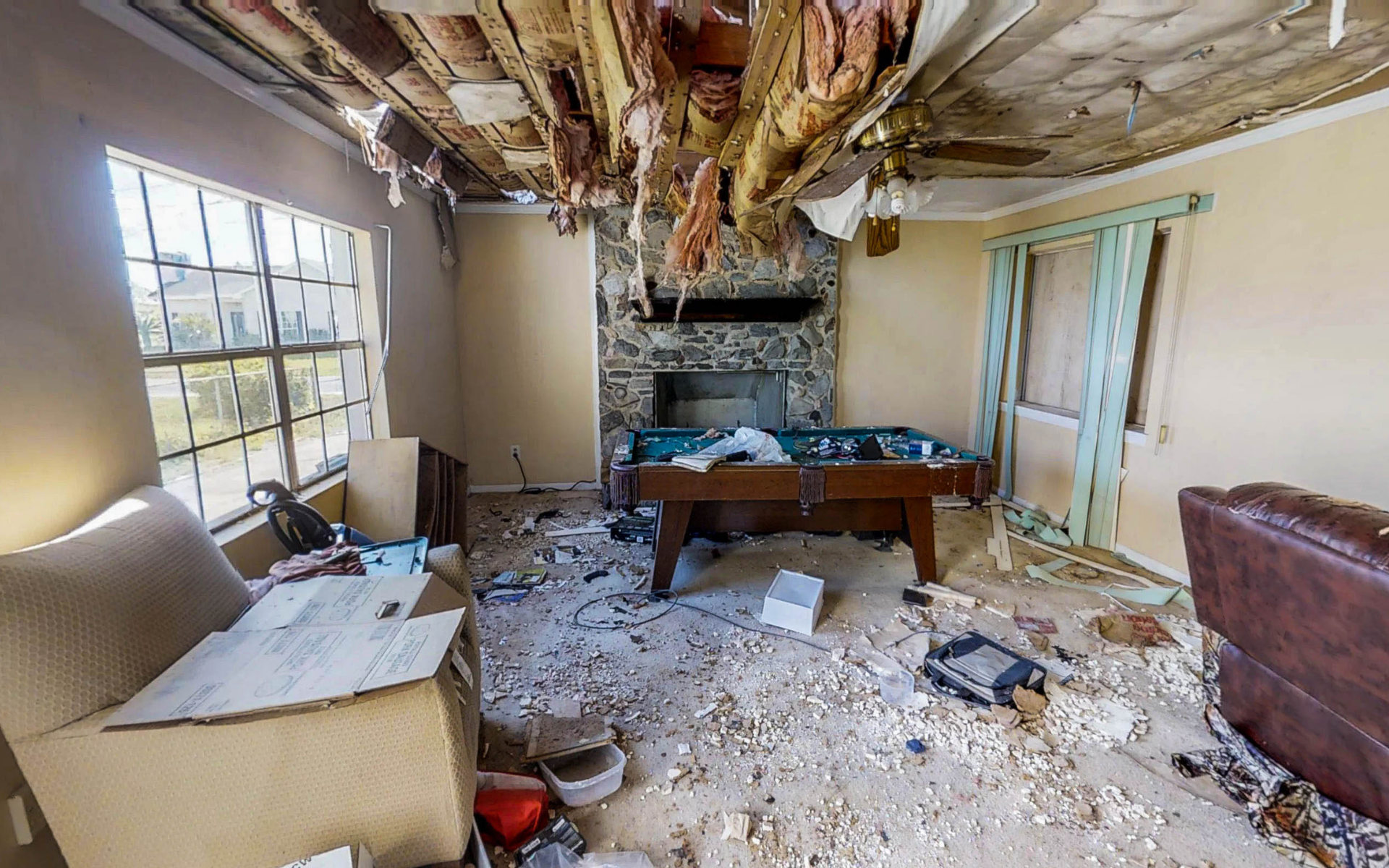
Water moves fast once it enters a home, a process restoration professionals call moisture migration. Within minutes, water soaks into flooring and furniture. Within hours, it travels up drywall through capillary action and spreads into adjoining rooms. By the 24-hour mark, materials that could have been dried and saved often need full replacement instead. This spreading pattern is the reason a fast, organized response during what professionals call the mitigation window makes such a difference in the final cost of repairs.
First Steps After a Flood in Your Home
1. Confirm Safety Before Entering
Standing water can hide electrical hazards, structural weaknesses, and contamination that is not visible at first glance. Before stepping into an affected area:
- Check for sagging ceilings or bulging walls
- Look for exposed or submerged outlets and wiring
- Watch for slippery or unstable flooring
- Avoid entering if the water shows a strong odor or dark color, which may signal a more contaminated category
2. Should I Turn Off Electricity After Flooding?
Yes, when it can be done safely. Water and electricity together create a serious hazard, so:
- Shut off power at the breaker panel if it is dry and accessible
- Avoid touching the panel if you must stand in water to reach it
- Call an electrician or your utility provider if the panel itself is wet or submerged
- Unplug electronics and appliances only if you can do so without touching water
3. Identify and Stop the Water Source
Stopping the source keeps a bad situation from getting worse. Depending on the cause, this may mean:
- Shutting off the main water valve for a plumbing failure
- Placing sandbags or barriers against rising exterior water
- Moving items away from a slow leak while repairs are arranged
- Waiting for floodwater from a storm to recede before further action
4. Begin Removing Standing Water
Once the area is safe, removing standing water slows the spread of damage. Homeowners can often manage this step for smaller amounts of clean water using:
- A wet-dry shop vacuum for shallow pooling
- Towels and mops for light surface water
- Buckets for larger volumes without power tools available
- Open windows and fans to start air movement, when the water is clean and the weather allows
Larger volumes of water, or any water linked to sewage or flooding, call for professional extraction equipment rather than household tools.
5. Document Everything for Insurance
Insurance claims move faster and pay out more accurately when the damage is well documented. Before any cleanup or repairs begin:
- Photograph every affected room from multiple angles
- Record video walking through the property
- List damaged items with approximate age and condition
- Keep receipts for any temporary repairs, such as tarps or emergency plumbing work
- Save all communication with your insurance provider in one place
A Simple Water Damage Checklist for Homeowners
Use this order of operations as a fast reference during an emergency:
- Confirm the area is safe to enter.
- Turn off electricity if it can be done without contact with water.
- Stop the water source if possible.
- Remove pets and family members from the affected area.
- Begin removing standing water if conditions allow.
- Photograph and document all damage.
- Contact a professional water damage team for extraction and drying.
- Move unaffected belongings away from the wet area.
- Keep the space ventilated to slow mold growth.
- Hold onto all documentation for the insurance claims process.
Who to Call for Water Damage
A licensed water damage restoration company should be your first call once the immediate safety steps are complete. Professional crews test moisture levels behind walls and under flooring, something a homeowner cannot do with a simple visual check. They also handle structural cleaning for materials affected by category 1 water as well as more contaminated categories, which protects both the building and the people living in it.
Why Fort Mill Homeowners Trust a Fast, Professional Response
Every water damage case carries its own combination of source, volume, and materials affected. A trained crew assesses the full scope before starting cleanup, rather than treating only the visible damage while moisture continues to spread behind the surface.
Contents Restoration Services responds across Fort Mill with the equipment and experience needed to manage water damage during the critical first 24 hours. Local crews understand how the region’s fall storm season raises flooding risk, and they arrive ready to extract water, dry structures, and guide homeowners through each step of recovery.
Take Action in the First 24 Hours
Knowing what to do after water damage gives you the advantage of speed when it matters most. Standing water spreads fast, electrical hazards raise real safety risks, and the mitigation window for saving flooring, drywall, and belongings closes quickly. Careful documentation now protects your insurance claim later, and a fast call to a trained team limits how far the damage reaches into your home.
If your Fort Mill property has taken on water from any source, do not wait to see how the damage plays out. Reach out today to a trained restoration team ready to guide you through the first 24 hours and every step of recovery that follows.