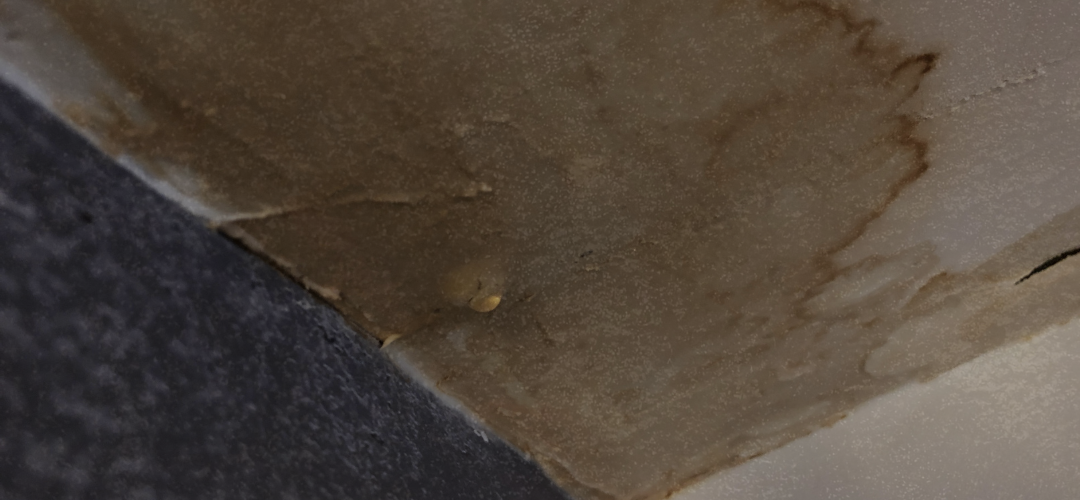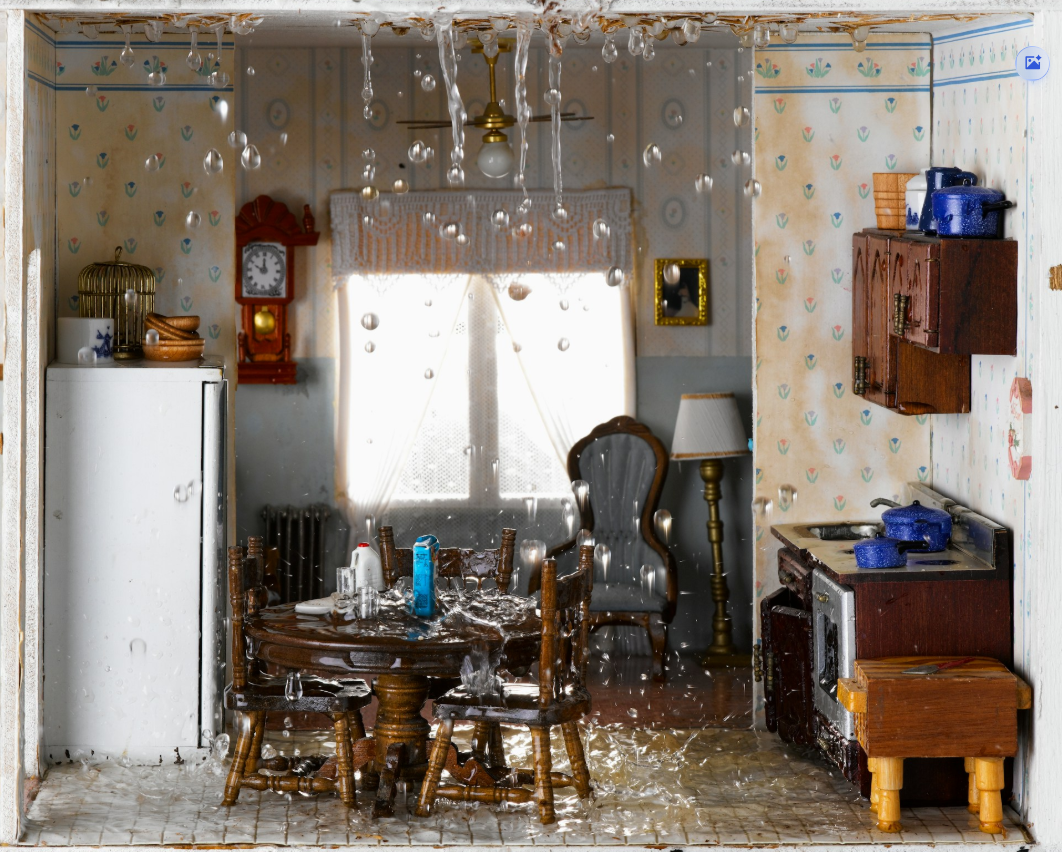
Water damage does not arrive the same way twice. A burst pipe leaves behind clear water. A washing machine overflow leaves something murkier. A sewage backup leaves a mess that can make people sick. Knowing which type of water has entered your home is the first step toward proper water damage restoration in Fort Mill, SC, and it shapes every decision that follows, from what you touch to who you call.
As late summer storms move through the Carolinas and fall rain season approaches, Fort Mill homeowners face a higher chance of flooding, roof leaks, and sewer backups. Understanding the three water categories now means you will know exactly what to do the moment water shows up where it should not be.
Table of Contents
The Three Categories of Water Damage
Restoration professionals sort water intrusions into three groups. Each one carries a different level of risk, and each one calls for a different cleanup approach.
1. Clean Water Damage
Clean water comes from a sanitary source. It has not touched sewage, chemicals, or outside contaminants at the point of release. Common sources include:
- Broken supply lines
- Overflowing sinks or tubs from a clean water source
- Rainwater entering through a roof leak
- A malfunctioning water heater
Clean water is the least hazardous of the three types, but it does not stay clean for long. Left untreated for more than 24 to 48 hours, it can pick up contaminants from carpet, drywall, and flooring, and shift into a more hazardous category. Fast extraction and drying matter even when the water looks harmless.
2. Gray Water Damage
Gray water contains a noticeable level of contamination. It will not usually contain sewage, but it does carry chemicals, soap residue, food particles, or other substances that can cause illness if swallowed. Sources include:
- Dishwasher or washing machine discharge
- Overflow from sump pumps
- Water from a toilet bowl (without solid waste)
- Aquarium leaks
Gray water calls for gloves, eye protection, and careful handling of any affected materials. Porous items such as carpet padding, upholstery, and drywall that sit in gray water for an extended period often need to be removed rather than dried and reused.
3. Black Water Damage
Black water is the most severe and dangerous category. It contains harmful bacteria, viruses, and other pathogens that pose a genuine health hazard. Sources include:
- Sewage backups
- Flooding from rivers, creeks, or storm surge
- Water from toilets that includes solid waste
- Standing water that has sat long enough to grow bacteria and mold
Black water should never be handled without proper protective equipment, and in most cases, it should not be handled by homeowners at all. Contact with skin, or breathing in the particles it releases into the air, can lead to serious illness. Any home affected by black water needs trained crews, full containment, and materials disposed of according to health guidelines.
Why the Water Category Changes Everything
The category of water determines the entire restoration plan. Here is why the distinction carries so much weight:
- Personal protective equipment (PPE) requirements change. Clean water calls for basic caution. Black water calls for gloves, masks, and full protective gear.
- What can be saved versus what must be discarded shifts. Clean water may allow drying and reuse of carpet and furniture. Black water often means those same items are thrown out.
- Drying methods and equipment differ. Gray and black water jobs typically call for antimicrobial treatments alongside standard drying tools.
- Health risk to occupants rises with each category. A family can often stay in a home during clean water cleanup. Black water frequently requires the household to relocate until the space is cleared.
- Insurance documentation needs vary. Adjusters want a clear record of water category, moisture readings, and affected materials before approving a claim.
Safe Steps to Take Before Help Arrives
If water has entered your home, a few careful steps can limit the damage while you wait for trained help.
- Turn off the water source if it is safe to reach it.
- Shut off electricity to the affected area if standing water is present near outlets or wiring.
- Avoid walking through gray or black water without protective footwear.
- Move furniture and valuables away from the wet area when it is safe to do so.
- Photograph the damage for insurance records before cleanup begins.
- Avoid using household fans on gray or black water, since this can spread contaminants through the air.
- Call a licensed water damage restoration team as soon as possible, especially if the source is unknown or the water has been sitting for more than a day.
Why Fort Mill Homeowners Trust Local Restoration Experts
Every water damage case in Fort Mill comes with its own set of variables: the age of the home, the type of flooring, how long the water sat, and the source it came from. A trained crew tests the water, checks moisture levels behind walls and under flooring, and builds a cleanup plan around what they find rather than guessing.
Contents Restoration Services works throughout Fort Mill and the surrounding area, responding quickly to clean water, gray water, and black water emergencies alike. Local crews know the common causes of water damage in this region, from summer storm flooding to older plumbing systems in established neighborhoods, and they bring the right equipment and protective measures for each category of loss.
Take Action Before Small Damage Becomes a Bigger Problem
Water damage rarely improves with time. What starts as a clean water leak can turn into a mold problem within days, and gray or black water left untreated puts your family’s health at risk. The season ahead brings a higher chance of storms and flooding across the Fort Mill area, which makes a fast, informed response more valuable than ever.
If your home has taken on water from any source, do not wait to see how it plays out. Reach out today to a trained water damage restoration in Fort Mill, SC team ready to assess the damage, protect your home, and guide you through every step of recovery.