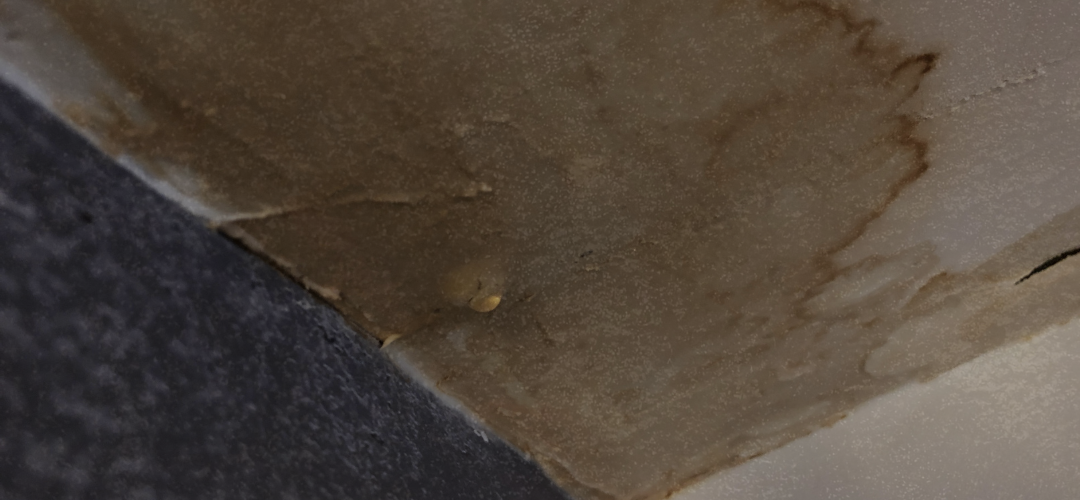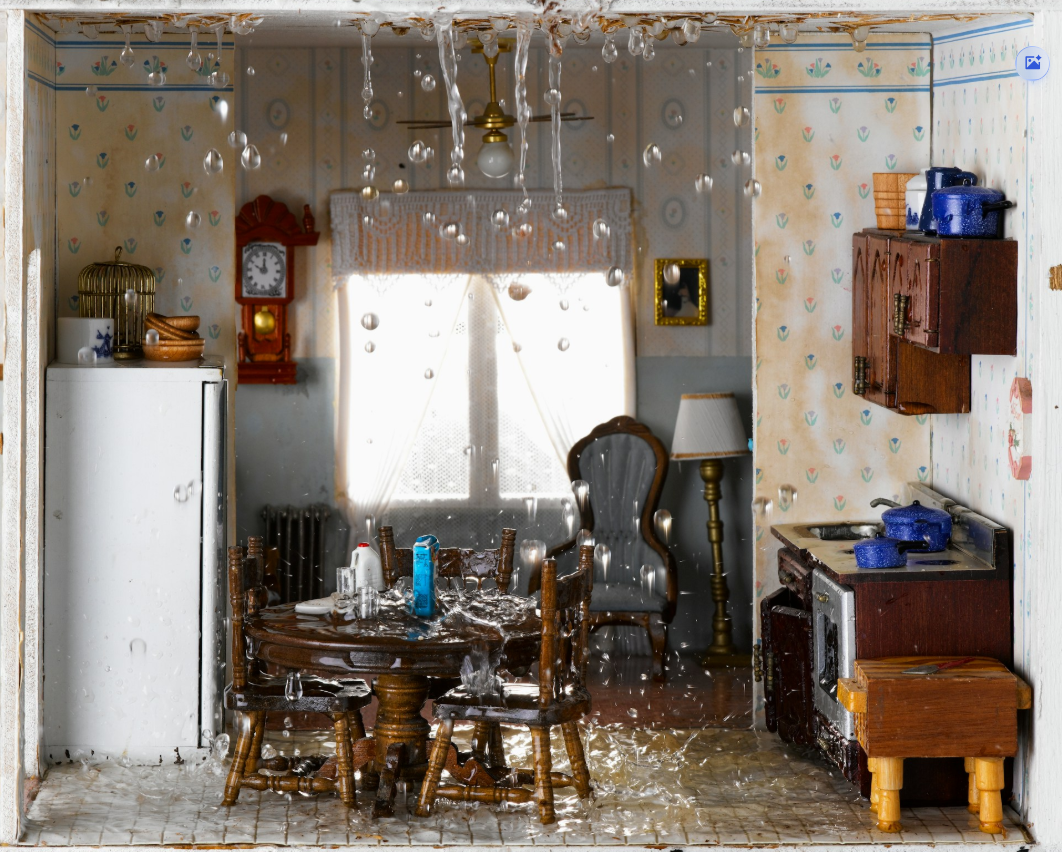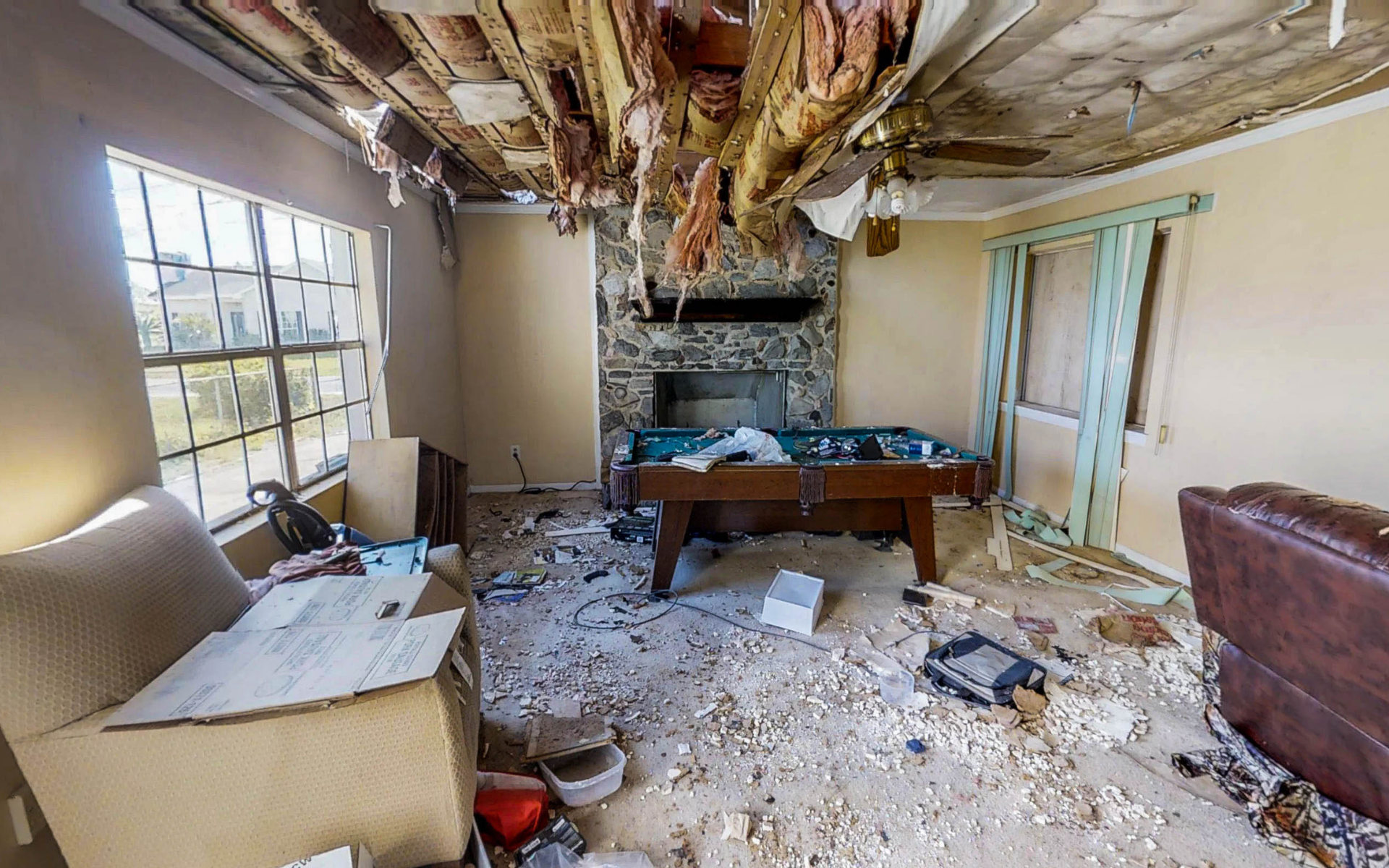
Waking up to a flooded kitchen or a ceiling that looks like a waterfall is a nightmare. In Fort Mill, South Carolina, sudden pipe bursts or overflowing fixtures demand immediate action. You need emergency plumbing help, and you need it fast. But right behind the panic of stopping the water is another major stress: “Will my insurance cover this?”
Understanding your homeowner’s insurance policy during these chaotic moments can save you significant frustration and financial hardship. We will walk you through what to expect when a water disaster strikes and how to manage the claims process effectively.
Table of Contents
What Causes Sudden Water Disasters?
Plumbing systems work hard, and failures happen without warning. Knowing common causes helps you explain the situation clearly to your insurance agent.
Common culprits for immediate water damage include:
- Frozen and Burst Pipes: Fort Mill winters can see freezing temperatures. When water freezes in pipes, it expands and breaks the metal or plastic.
- Failed Water Heater Tanks: Old or poorly maintained water heaters can rupture, spilling gallons of water quickly.
- Washing Machine Hose Ruptures: The rubber hoses connecting your washing machine to the water supply degrade over time and can split open.
- Toilet Overflows: Blockages in the main sewer line or the toilet itself can cause contaminated water to back up into your home.
When any of these happen, your first call should be for immediate help to stop the flow. This initial response is what defines an emergency plumbing situation.
Does Insurance Cover Emergency Plumbing Disasters?
This is the most common question homeowners ask after stopping the water. The answer depends heavily on why the water damage occurred.
Insurance companies generally differentiate between sudden, accidental damage and damage caused by long-term neglect.
What Insurance Usually Covers
Most standard homeowners policies provide coverage for “sudden and accidental” water damage.
This typically includes:
- Burst Pipes: If a pipe bursts unexpectedly, covering your floors and walls in water, your policy will likely cover the damage to your home and belongings.
- Appliance Failures: If your washing machine suddenly leaks and damages your laundry room, the resulting water damage is usually covered.
- Accidental Overflows: If a bathtub overflows accidentally, causing damage to the ceiling below, this is often covered.
- Vandalism: If someone intentionally damages your plumbing system, causing a flood, your policy should cover the cleanup and repairs.
What Insurance Usually Does Not Cover
Insurance policies are not maintenance contracts. They will not cover damage resulting from ignored problems or gradual wear and tear.
Common exclusions include:
- Gradual Leaks: A slow leak under the kitchen sink that rots the cabinet over several months will likely not be covered. You are expected to fix small leaks promptly.
- Lack of Maintenance: If your roof leaks because it is old and missing shingles, the resulting water damage inside might be denied.
- The Plumbing Component Itself: Your insurance will pay to fix the drywall ruined by a burst pipe, but it typically will not pay the emergency plumbing bill to fix the broken pipe itself. You are responsible for repairing the source of the leak.
- Flood Damage: Standard policies do not cover water entering your home from outside, like a swollen river or heavy rain runoff. You need a separate flood insurance policy for this.
How to Handle an Insurance Claim After a Water Disaster
The steps you take immediately after a plumbing disaster significantly impact your insurance claim.
1. Stop the Water and Mitigate Damage
Your immediate priority is safety and stopping the leak. Turn off the main water valve to your house.
Your insurance policy requires you to take reasonable steps to prevent further damage. This is called “mitigation.” If you wait days to start cleaning up, mold can grow, and the insurance company might deny coverage for that secondary damage.
This means you should start removing standing water and drying things out as soon as it is safe. Contacting professionals who specialize in water removal is a smart first step.
2. Document Everything Thoroughly
Before you throw anything away or start tearing out ruined carpet, take photos and videos of the damage.
- Photograph the source of the leak, if possible.
- Take pictures of damaged walls, floors, ceilings, and personal belongings.
- Keep a detailed list of every damaged item.
- Save the broken pipe or failed appliance part if the plumber removes it. The insurance adjuster might need to inspect it.
3. Review Your Policy Details
Read your homeowners policy carefully. Look for the sections detailing coverage limits and deductibles.
Pay close attention to coverage for “Water Backup and Sump Discharge.” This is often an optional add-on. If a sewer line backs up into your home, standard policies might not cover it unless you have this specific endorsement.
4. File Your Claim Promptly
Contact your insurance agent or company as soon as possible to report the damage and start the claims process. They will assign an adjuster to your case. The adjuster will inspect the damage, review your documentation, and determine the payout based on your policy.
The Role of Professional Restoration
After the immediate emergency plumbing fix is complete, the hard work of restoring your home begins. Drying out a structure correctly requires specialized equipment and expertise.
Attempting to dry walls and floors with standard fans often leaves hidden moisture behind. This hidden moisture quickly turns into mold, creating a health hazard and a much larger repair bill.
Working with experienced professionals makes the entire process smoother. Companies that specialize in water damage know how to communicate effectively with insurance adjusters. They understand the documentation required to get your claim approved and can provide detailed estimates for the necessary repairs.
Contents Restoration Services understands the stress of these situations in Fort Mill. We work closely with homeowners and their insurance companies to return properties to their pre-loss condition quickly and safely.
Preparing for the Unexpected
You cannot predict when a pipe will burst or a water heater will fail. Being prepared makes the aftermath less stressful.
- Know Your Water Shut-off: Everyone in your household should know exactly where the main water shut-off valve is located and how to turn it off.
- Inspect Regularly: Check under sinks, around appliances, and near your water heater for signs of slow leaks or corrosion. Fix minor issues before they become major disasters.
- Review Your Insurance: Speak with your insurance agent annually. Make sure your coverage limits are adequate for the current value of your home and belongings. Ask about optional coverages like water backup protection.
A sudden flood in your Fort Mill home requires swift action. Knowing what your insurance covers and how to navigate the claims process gives you peace of mind during a chaotic time. Always prioritize stopping the water first. When you need immediate help to halt a serious leak, contacting reliable emergency plumbing professionals is your best defense against extensive property damage.
Need Help After a Water Disaster?
If your Fort Mill home has suffered sudden water damage, do not wait to start the cleanup process. Professional mitigation is vital for protecting your property and your insurance claim. Contact us today for expert assistance in restoring your home safely and efficiently. We are ready to help you navigate the aftermath of any water emergency.