Disaster strikes when you least expect it. Whether it’s a devastating fire, a severe storm, or major water damage, the aftermath leaves Fort Mill homeowners and business owners with a daunting question: “How do I put this back together?”
While cleanup and mitigation are the critical first steps, they are often just the beginning. Reconstruction is the bridge that takes your property from a damaged state back to a safe, functional, and beautiful home or workspace. This guide explains the reconstruction process, the types of damage we address, and why professional project management is essential for a successful recovery.
Table of Contents
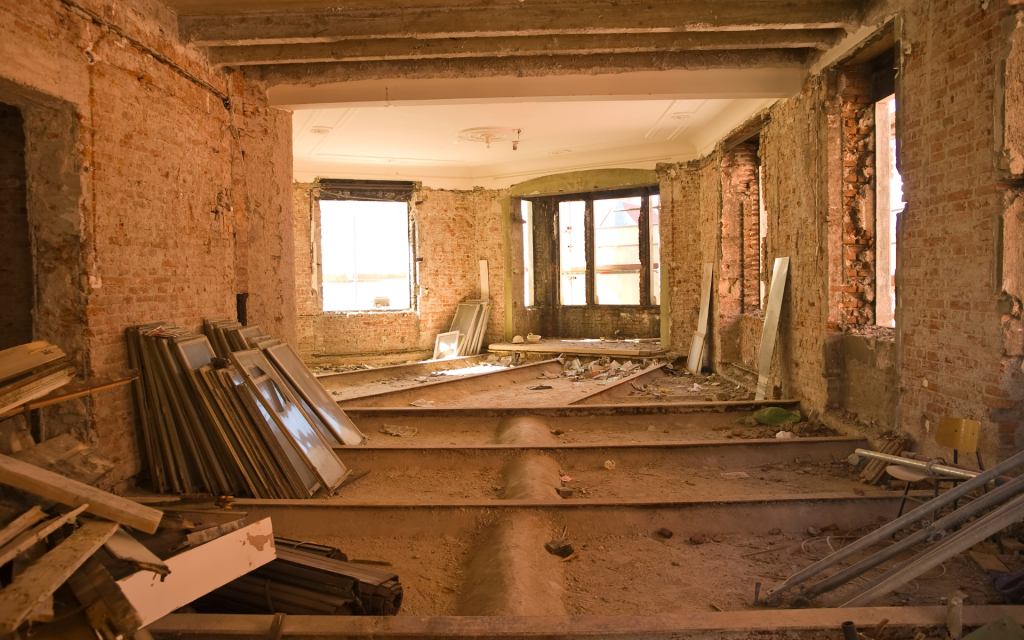
What is Reconstruction in Restoration?
Reconstruction is the phase of property restoration that involves rebuilding, repairing, and replacing structural elements and finishes that were damaged or removed during the mitigation process. Unlike simple repairs, reconstruction often requires general contracting expertise, including framing, drywall, electrical, plumbing, and roofing work, to return a property to its pre-loss condition.
The Difference Between Mitigation and Reconstruction
- Mitigation stops the damage. It involves water extraction, drying, debris removal, and preventing further deterioration (like mold growth).
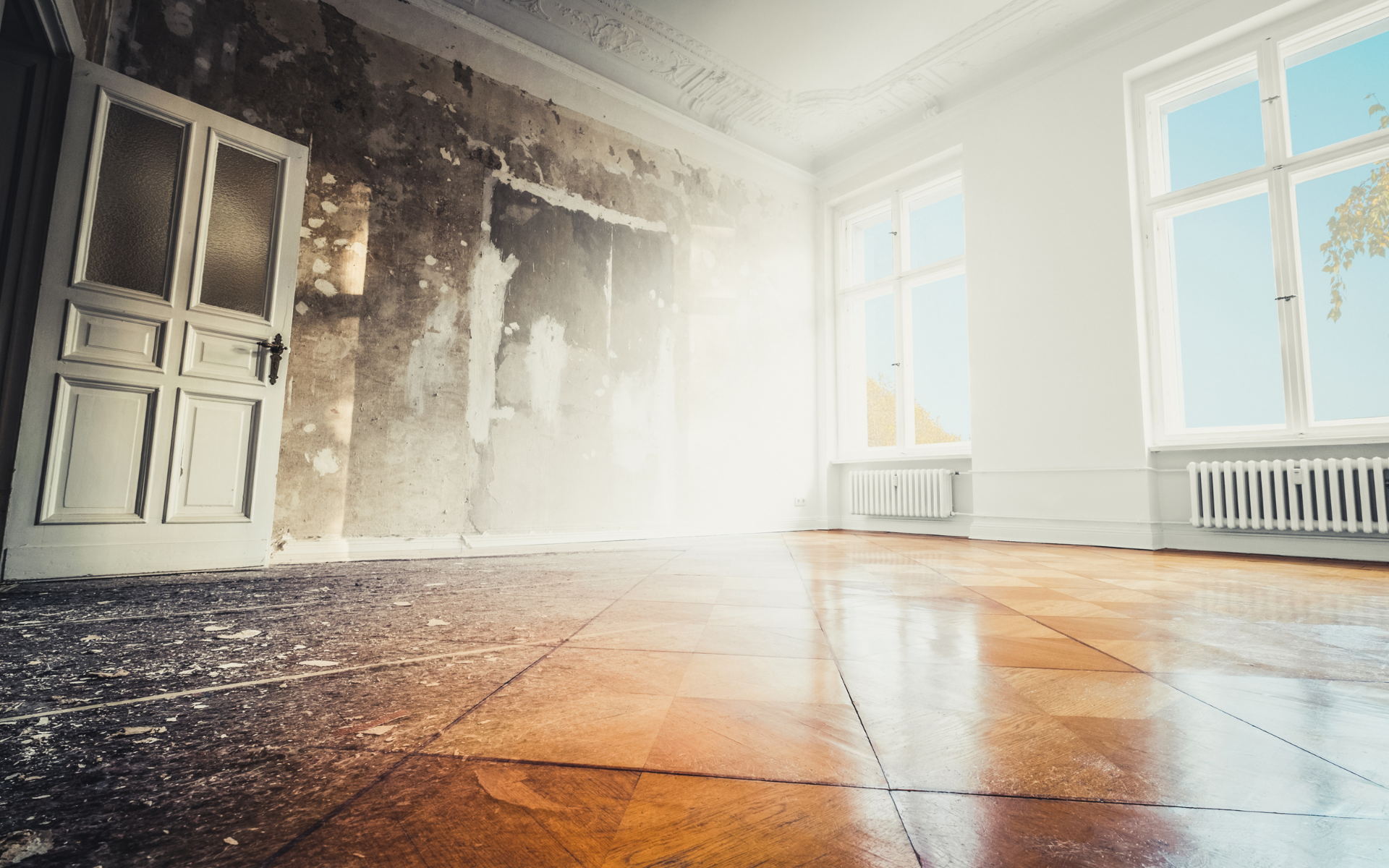
Reconstruction puts the pieces back together. It involves physical rebuilding, painting, flooring installation, and ensuring the structure meets current building codes.
The Reconstruction Process: Step-by-Step
Restoring a home isn’t just about hammering nails; it’s a carefully managed workflow designed to minimize stress and maximize quality.
1. Comprehensive Assessment and Scoping
Before a single board is cut, a detailed scope of work must be established. This involves inspecting the structural integrity of the building, identifying all materials that need replacement, and creating a blueprint for the rebuild.
2. Structural Repairs and Framing
For severe damage, such as after a fire or a tree impact during a storm, the skeleton of the house may be compromised. Reconstruction teams repair or replace damaged framing, subfloors, and load-bearing walls to ensure the building is structurally sound.
3. Mechanical, Electrical, and Plumbing (MEP)
Once the structure is safe, the focus shifts to the vital systems hidden behind the walls. Licensed professionals ensure that all electrical wiring, plumbing pipes, and HVAC ductwork are installed correctly and function safely.
4. Code Compliance and Permitting
Building codes in Fort Mill, SC, and surrounding areas change over time. A professional reconstruction partner navigates the local permitting process and ensures that all repairs meet or exceed current safety standards. This is crucial not just for safety, but for the future resale value of your property.
5. Interior Finishes and Cosmetic Restoration
This is the phase where your house starts to feel like home again. It includes:
- Drywall and Painting: Hanging new sheetrock, texturing, and applying fresh paint.
- Flooring: Installing hardwood, carpet, tile, or vinyl.
- Cabinetry and Trim: Replacing kitchen cabinets, baseboards, and crown molding.
Types of Damage Addressed by Reconstruction
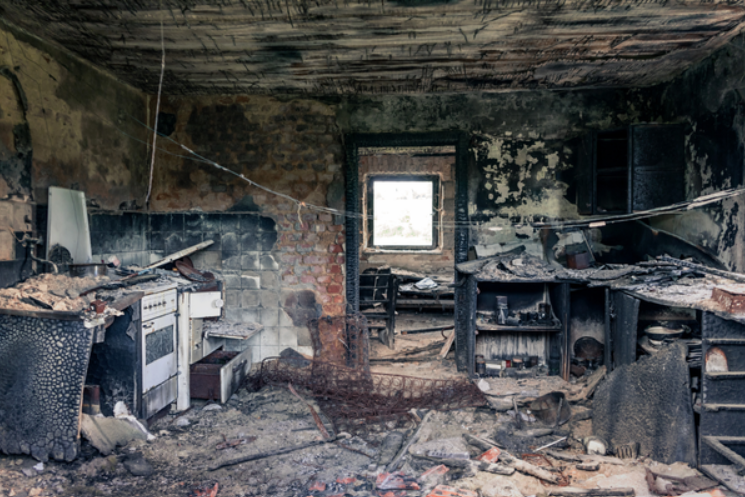
Reconstruction is not limited to a single type of disaster. It is a versatile service required after various catastrophic events.
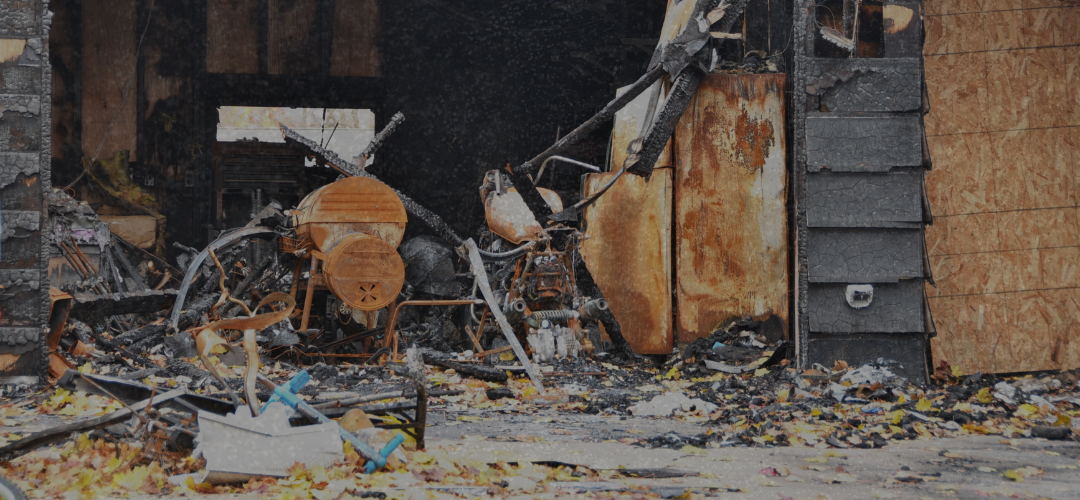
- Fire and Smoke Damage: Fire often compromises structural wood, while smoke can permeate porous materials that cannot be cleaned. Reconstruction replaces charred framing and smoke-damaged drywall.
- Water Damage: Long-term leaks or floods can rot subfloors and wall studs. Reconstruction ensures these rotted materials are replaced with fresh, dry lumber.
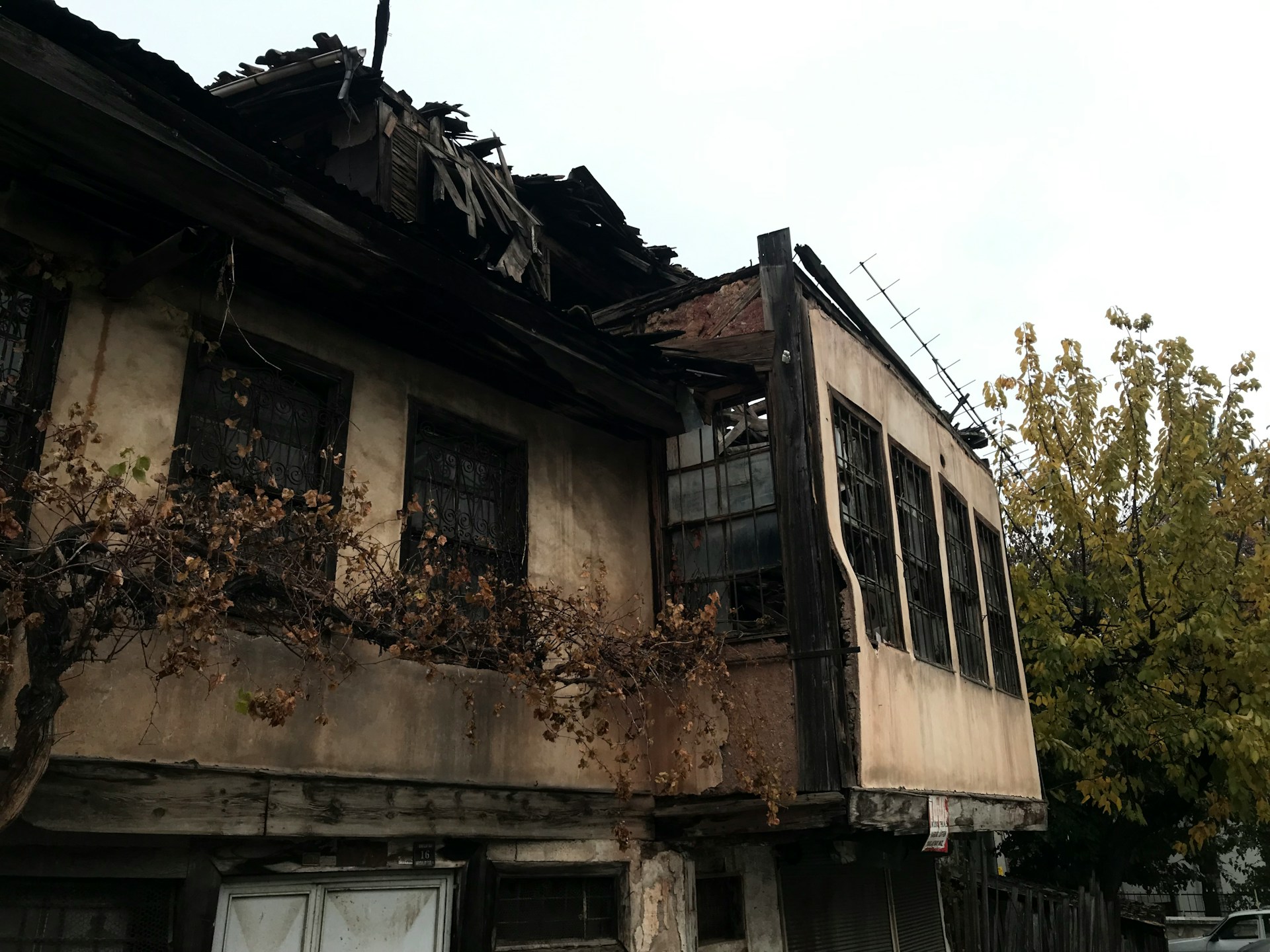
- Storm and Wind Damage: From torn-off roofs to smashed windows and siding, storm damage often requires extensive exterior reconstruction to seal the building envelope.
- Vehicle Impact: Accidents happen. If a vehicle strikes a home or business, reconstruction teams stabilize the structure and rebuild the damaged wall and foundation.
The Importance of Professional Project Management
Managing a reconstruction project involves juggling dozens of moving parts: insurance adjusters, subcontractors, inspectors, and material suppliers.
At Content Restoration Services, we believe you shouldn’t have to act as your own general contractor after a disaster. Professional project management provides:
- A Single Point of Contact: You communicate with one dedicated project manager who handles all the logistics.
- Timeline Efficiency: Pros know how to schedule trades (electricians, drywallers, painters) in the right order to avoid delays.
- Quality Control: Regular inspections ensure that every detail meets high standards before the job is marked complete.
Seamless Transition: From Mitigation to Full Restoration
The most efficient way to handle property damage is to use a company that handles both mitigation and reconstruction.
When you hire separate companies for cleanup and rebuilding, important details can get lost in the handoff. A full-service restoration partner ensures that the team rebuilding your walls knows exactly what happened behind them. This continuity leads to faster completion times and less friction with insurance claims.
Get Your Life Back on Track
Your home or business is likely your most valuable asset. When it has been damaged, you need more than a quick fix; you need a partner who sees the big picture and cares about the details.
Don’t settle for living in a construction zone longer than necessary. Choose a team that understands the local building requirements in Fort Mill and has the expertise to handle complex reconstruction projects from start to finish.
Content Restoration Services is ready to turn your disaster into a distant memory. We are here to rebuild your property and your peace of mind.
Reclaim Your Property Today. Call us immediately at (704) 412-3030