For property owners in Fort Mill, SC, discovering asbestos during a renovation or real estate transaction can feel overwhelming, often raising immediate concerns about long-term health risks and complicated legal requirements. However, rather than succumbing to panic, your most powerful tool in this situation is understanding exactly how to manage these environmental hazards correctly. Recognizing the history of this material and the absolute necessity of certified removal is crucial for anyone responsible for a residential or commercial structure built before the 1980s regulations took effect. By prioritizing professional abatement over risky quick fixes, you protect not only the structural integrity of your real estate but, more importantly, the well-being of everyone who steps inside.
While older homes in our historic neighborhoods possess undeniable charm, they often hide hazardous materials within their walls, floors, and ceilings. Asbestos removal is not a DIY project; it is a highly regulated, technical process designed to eliminate severe health risks while preserving the integrity of your property.
This comprehensive guide explores the realities of asbestos, the stringent regulations governing asbestos removal in South Carolina, and why professional abatement is the only safe path forward for your home and family.
Table of Contents

Understanding the Hazard: What is Asbestos?
Asbestos is a naturally occurring mineral composed of flexible fibers that are resistant to heat, electricity, and corrosion. For decades, it was hailed as a “miracle mineral” in the construction industry. Builders favored it for its effective insulation properties, fireproofing capabilities, and ability to strengthen other materials like cement and plastic.
However, the durability that made asbestos so useful in construction is exactly what makes it so dangerous to human health. When asbestos-containing materials (ACMs) are disturbed during renovation, demolition, or due to age and deterioration microscopic fibers are released into the air.
Friable vs. Non-Friable Asbestos
To understand the risk, you must distinguish between the two states of asbestos:
- Friable Asbestos: This material can be crumbled, pulverized, or reduced to powder by hand pressure. This is the most dangerous form because fibers are easily released into the air. Examples include spray-on insulation, pipe lagging, and some popcorn ceilings.
- Non-Friable Asbestos: In this state, the asbestos fibers are bound tightly within a matrix, such as vinyl floor tiles or cement sheets. While less likely to release fibers if undisturbed, these materials become hazardous if they are drilled, sanded, cut, or broken during reconstruction.
The Hidden Danger: Health Risks of Exposure
The primary danger of asbestos lies in its invisibility. The fibers are microscopic hundreds of times thinner than a human hair and odorless. You cannot see, smell, or taste them in the air. When inhaled, these sharp fibers lodge deep within the lungs and other internal tissues. The body cannot break them down or expel them.
Over time, this accumulation leads to severe, often fatal, diseases. The latency period (the time between exposure and the onset of symptoms) can range from 10 to 40 years, meaning exposure today may not result in illness until decades later.
Major Health Consequences
- Mesothelioma: A rare and aggressive cancer that affects the lining of the lungs, chest wall, or abdomen. It is almost exclusively caused by asbestos exposure.
- Asbestosis: A chronic, non-cancerous respiratory disease. The inhaled fibers cause scarring (fibrosis) of the lung tissue, making it difficult to breathe and permanently damaging lung function.
- Lung Cancer: Asbestos exposure significantly increases the risk of lung cancer, particularly among individuals who also smoke.
Because there is no “safe” level of asbestos exposure, immediate and professional intervention is required whenever materials are compromised.
Identifying Asbestos in Fort Mill Properties
If your home or commercial building in Fort Mill was constructed before 1980, there is a high probability it contains asbestos. While a visual inspection cannot definitively confirm the presence of asbestos (only lab testing can do that), certain materials are common culprits.
Common Locations for Asbestos:
- Popcorn Ceilings: One of the most common sources in residential homes. Texturing materials applied before the ban often contained asbestos.
- Thermal Insulation: Found wrapped around steam pipes, boilers, and furnace ducts. It often looks like corrugated cardboard or a thick, chalky white plaster.
- Flooring: 9×9 inch vinyl floor tiles are a classic indicator, but it can also be found in the backing of sheet vinyl flooring and the mastic (glue) used to adhere tiles to the subfloor.
- Siding and Roofing: Asbestos cement siding shingles (transite) and roofing shingles were popular for their fire resistance.
- Walls and Joint Compounds: Drywall sheets themselves rarely contain asbestos, but the joint compound (mud) and tape used to seal seams often did.

The Regulatory Landscape: SC DHEC and Federal Rules
Asbestos removal is not just a safety issue; it is a legal one. In South Carolina, abatement is strictly regulated to prevent environmental contamination and public exposure.
South Carolina DHEC Requirements
The South Carolina Department of Health and Environmental Control (DHEC) enforces strict protocols. Before any demolition or significant renovation activity occurs in a commercial or public building (and recommended for residential), a thorough asbestos inspection must be conducted by a licensed inspector.
If asbestos is found, you are legally required to follow specific disposal and removal protocols. Failure to comply can result in significant fines and legal action.
OSHA and EPA Standards
- OSHA (Occupational Safety and Health Administration): Sets strict standards to protect workers, requiring personal protective equipment (PPE), medical surveillance, and specific work practices.
- EPA (Environmental Protection Agency): Regulates the handling, transport, and disposal of asbestos waste to ensure it does not contaminate landfills or the surrounding environment.
The Professional Abatement Process
At Content Restoration Services, we follow a rigorous, multi-step protocol to ensure that asbestos is removed completely without contaminating your home. Our process adheres to all industry standards and regulatory requirements.
Phase 1: Inspection and Testing Before any work begins, a certified asbestos inspector must identify the type, location, and extent of the material. Samples are taken carefully and analyzed in an accredited laboratory. This “survey” dictates the scope of the abatement plan.
Phase 2: Site Preparation and Containment This is the most critical safety step. We essentially build a “room within a room” to isolate the work area from the rest of the property.
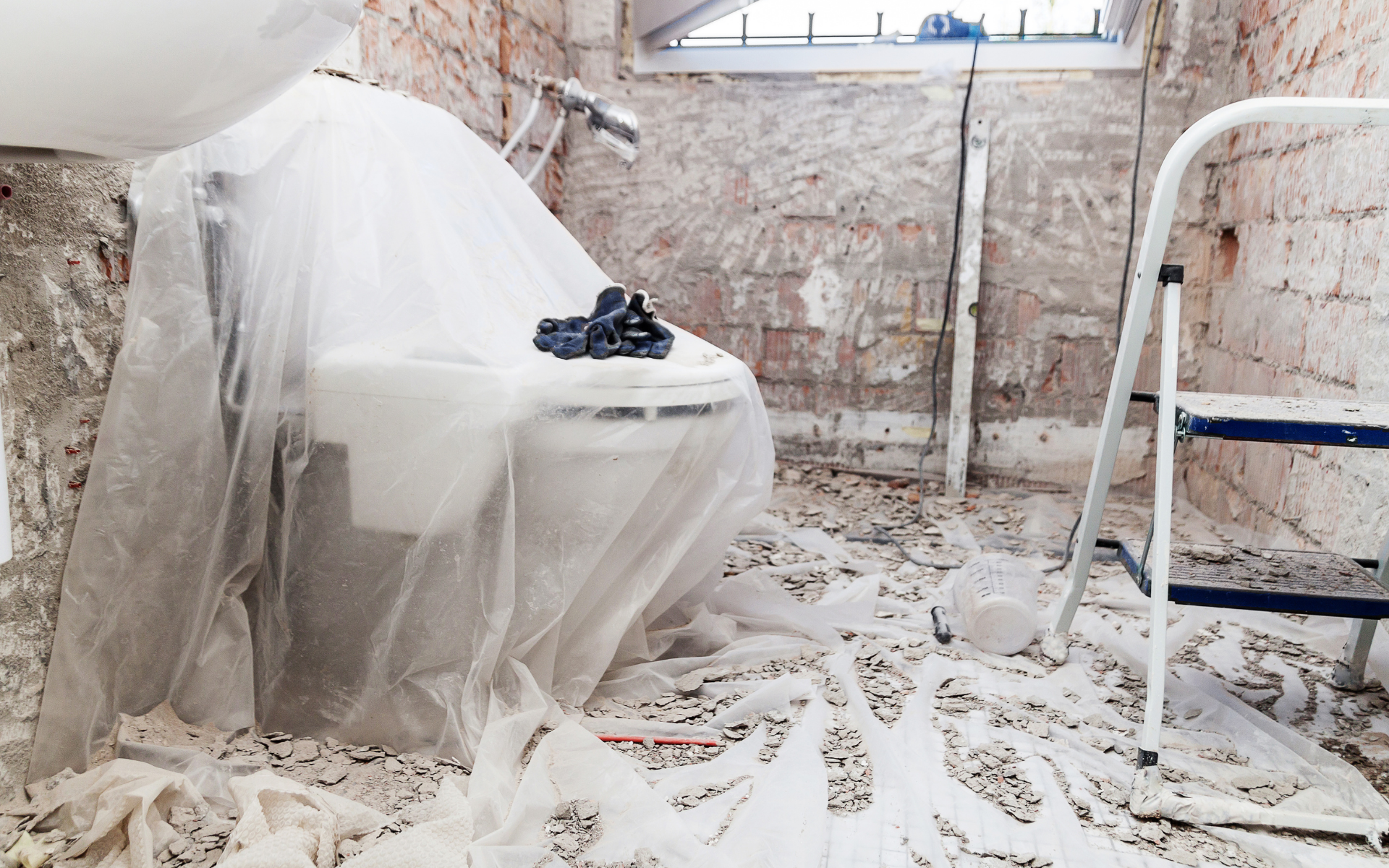
- Plastic Sheeting: Floors, walls, and immovable objects are sealed with heavy-duty polyethylene sheeting.
- Negative Air Pressure: We install High-Efficiency Particulate Air (HEPA) filtration units that create negative pressure. This ensures that air flows into the work area but not out, preventing fibers from escaping into clean parts of the house.
- Decontamination Units: A three-stage decontamination chamber is set up for workers to enter and exit, ensuring no fibers travel on clothing.
Phase 3: Safe Removal (Abatement) Our licensed technicians, wearing full-body protective suits and respirators, enter the containment area.
- Wet Methods: We utilize “wet removal” techniques, misting the asbestos materials with water and amended surfactants. This keeps fibers weighed down and prevents them from becoming airborne during removal.
- Careful Handling: Materials are removed intact whenever possible to minimize breakage and fiber release.
Phase 4: Waste Disposal Asbestos waste cannot be thrown in a regular dumpster. It must be placed in special, leak-tight disposal bags that are labeled with hazard warnings. These bags are double-sealed and transported to a landfill specifically permitted to accept asbestos waste.
Phase 5: Cleaning and Clearance Testing Once the bulk material is removed, every square inch of the containment area is wet-wiped and HEPA-vacuumed. After cleaning, we don’t just pack up. An independent third-party air monitor conducts a visual inspection and collects air samples. Only when the lab results confirm the air is clean do we remove the containment barriers.
Why “Do It Yourself” is a Recipe for Disaster
In the age of online tutorials, many homeowners are tempted to handle renovations themselves. When it comes to asbestos, never attempt DIY removal.
The Risks of Improper Handling:
- Contamination: Without negative air pressure and proper containment, ripping out a floor or scraping a ceiling will send billions of invisible fibers spreading through your HVAC system, settling on furniture, bedding, and carpets throughout the entire house.
- Legal Liability: Improper disposal of asbestos is a crime. You cannot leave asbestos waste on the curb for trash pickup.
- Health Hazards: Regular dust masks offer zero protection against asbestos fibers. You risk exposing yourself, your children, and your pets to carcinogens.
Professional abatement is an investment in your long-term health and the value of your property. When you go to sell your home, updated documentation proving professional asbestos removal can be a significant selling point, whereas unpermitted DIY work can tank a sale.
Protecting Fort Mill’s History and Your Future
Fort Mill is a blend of beautiful historic properties and modern developments. Preserving our older structures often means addressing the legacy materials used to build them. Asbestos abatement allows you to modernize your kitchen, upgrade your HVAC, or repair storm damage without fear.
Whether you are planning a major remodel or responding to water damage that has disturbed old building materials, you need a partner who understands the delicate balance of restoration and safety.
Choosing the Right Abatement Partner
You need more than a contractor; you need a certified environmental specialist. At Content Restoration Services, we treat your property with the same care we would our own. We handle the heavy lifting of coordination, from testing and permits to removal and final air clearance, providing you with a seamless, stress-free experience.
We provide full transparency throughout the process, ensuring you understand exactly what is happening in your home. Our goal is not just to remove hazardous material, but to restore your peace of mind.
Don’t let the fear of asbestos stall your life or endanger your family. If you suspect asbestos in your home or business, or if you are planning a renovation on a pre-1980 property, act now.
Secure Your Property and Your Health Today.
Call us immediately at (704) 412-3030